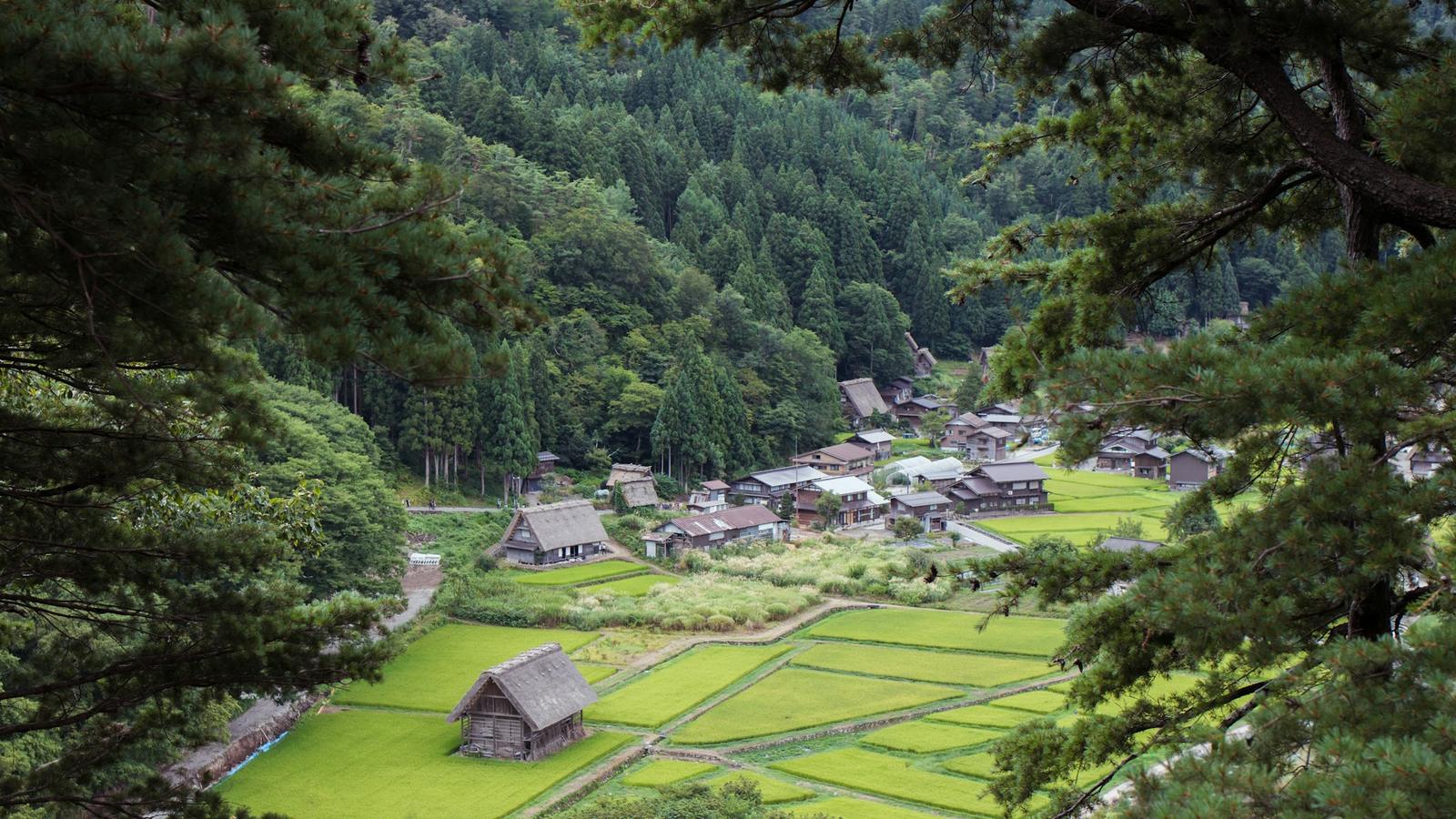
Many travelers leave Japan already thinking about a second trip. But the first and second visits are different journeys that call for different approaches, different priorities, and different types of support.
This article is about what separates them, why the golden route suits most first-timers, what shifts on the second trip, and why the traveler who did Tokyo and Kyoto the first time often needs something quite different when they come back. We checked the figures, opening hours and seasons below on the Japan Tourism Agency's survey pages and on the operators' own pages on October 28, 2026, and the sources are listed at the end.
THE FIRST TRIP: WHY THE GOLDEN ROUTE WORKS
There is a version of travel advice that tells first-time Japan visitors to skip the famous sites, to avoid Arashiyama, bypass Fushimi Inari, find the "real" Japan away from the crowds. On a first trip, it often leaves out too much. The famous places became famous for good reasons. Experiencing them for the first time, even alongside other visitors, establishes a foundation that everything subsequent builds upon.
The golden route (Tokyo, Hakone, Kyoto, Osaka) exists because it links much of what Japan is known for along one easy line: Tokyo's restaurants and city life, Hakone's onsen and volcanic landscape, Kyoto's temples and traditional arts, and Osaka's food, all within ten to fourteen days and one long-distance train journey. For someone encountering Japan for the first time, this is a sound foundation.
What the first trip accomplishes is building context. You cannot fully appreciate the quiet of a Kanazawa garden if you have never seen the crowds at Arashiyama. You cannot understand what sets Kyoto's kaiseki apart without having first eaten well in Tokyo. The first trip creates the frame of reference that the second trip uses, and that is its real value.
The goal is to see the most important things well, with the right accommodation, the right restaurants, and enough unhurried time that the trip leaves a lasting impression.
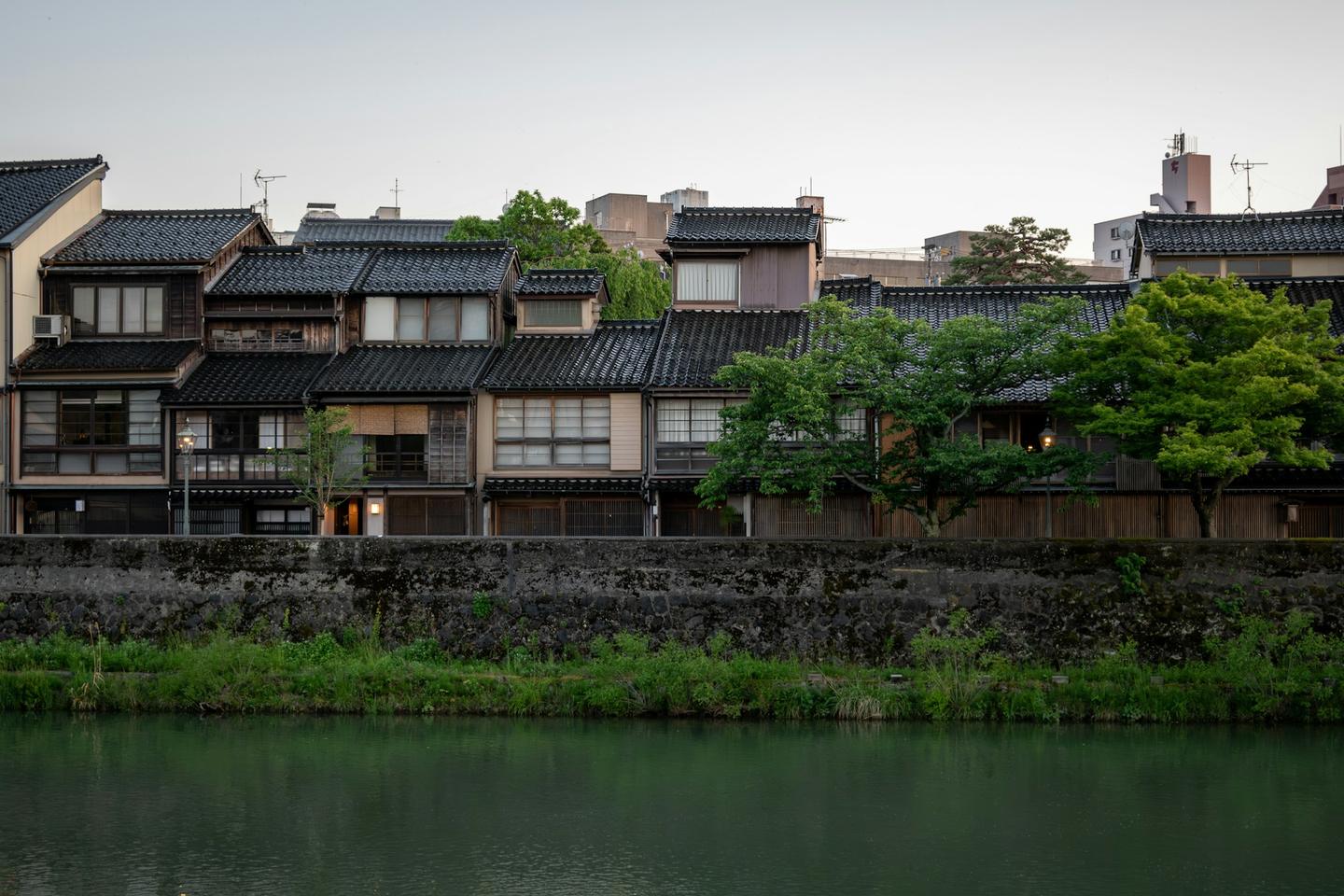
THE SECOND TRIP: WHAT CHANGES
The second Japan trip has a different structure entirely. The frame of reference already exists. There is no longer a need to see every category, to have at least one of each experience. Instead, the second trip can follow specific interests, linger in one region, go deeper into a single dimension of the culture without needing to justify the choice against competing options.
The numbers show the same shift. Japan received 42,683,600 international visitors in 2025, 15.8 percent more than the year before. The Japan Tourism Agency's survey found that among visitors who came for tourism or leisure in 2024, 8.8 percent of those on a first trip visited only regional Japan, outside the three big metropolitan areas around Tokyo, Osaka and Nagoya. Among those on their second to fifth trip the share was 27.0 percent, and among those on their sixth or later, 34.1 percent. The same analysis found that visitors from the United States and Europe are mostly on a first trip: only about one European visitor in five has been before.
Second trips often take one of three shapes: a food-focused itinerary (Osaka market deep dives, specific sake breweries in Niigata, producer visits in rural Kyushu), a regional trip (Tohoku's traditional crafts, Kyushu's volcanic landscape and onsen, the Japan Sea coast from Kanazawa to Matsue), or a cultural depth trip (extended time in a single city, an introductory course in a specific traditional art, travel built around one specific interest).
A few details that shape these trips. Kanazawa is 2 hours 28 minutes from Tokyo by the Hokuriku Shinkansen. Its garden, Kenroku-en, takes its name from six qualities that a Song-dynasty Chinese text on gardens said one garden could rarely combine, and from November to February its Hasuike-mon and Zuijinzaka gates open early, from 6:00 to 7:45, before regular hours begin. On the Ishikawa coast, snow crab season opens on November 6: the male kano-gani is landed until March 20, the smaller female kobako crab only until December 29.
Further west along the Japan Sea, the Adachi Museum of Art in Shimane says its garden has been ranked first in Japan for 23 years in a row, and Izumo Taisha opens its grounds from 6:00 to 19:00. For a food trip in Osaka, Kuromon Market has about 150 shops under an arcade some 580 metres long and has been trading for more than 200 years.
Accommodation also changes. A first trip works well in excellent hotels with one highlighted ryokan night. A second trip can turn that around, with several ryokan nights at properties chosen by name: a mountain onsen renowned for its water type, a coastal property with a kaiseki tradition built around local fish, a working farm that accepts two guests at a time.
Tsurunoyu, at Nyuto Onsen in Akita, is one example of a mountain inn known for its water. It draws on four sources of different composition, called Shiroyu, Kuroyu, Nakanoyu and Takinoyu, and takes day bathers for 700 yen, except on Mondays, when the baths are cleaned. Some stops on a second trip need a fixed time. The Chichu Art Museum on Naoshima admits visitors only with a reservation for a date and time, costs 2,500 yen online on weekdays, is closed on Mondays, and sells no tickets at the door on days when the online tickets are gone.
The second trip goes further into the part you responded to most on the first visit, with more time in fewer places.
THE COMPARISON
IF YOU HAVE ALREADY SEEN TOKYO AND KYOTO
Start from what stayed with you after the first trip, and choose the region from that. A traveller who remembers the dinners plans a different second trip from one who remembers the gardens.
- The food. Kanazawa and the Japan Sea coast in crab season, or Kyushu.
- The onsen. A mountain inn chosen for its water, in Tohoku or at Nyuto Onsen in Akita.
- The art and architecture. The Seto Inland Sea islands.
- The temples and the history. Nikko, or Koyasan and the Kumano Kodo.
- The quiet. Yakushima, or the post towns of the Nakasendo.
Tokyo and Kyoto can stay in the trip. Many second trips still begin or end in one of them, in a different neighbourhood and at a slower pace, which is also the easiest way to arrive and recover from the flight. Where to stay this time is in where to stay in Tokyo and where to stay in Kyoto.
The five regions we suggest most often for a second or third visit, with how to reach each one, are in beyond Tokyo and Kyoto. For the length of a longer second trip, see 14 days or 21 days in Japan.
HOW STAYGO IS USED DIFFERENTLY
On a first trip, STAYGO's value is in carrying out the trip most travelers would attempt anyway, without the planning failures: the ryokan that fills before the dates are fixed, the counter with a handful of seats that go to regulars and early requests, the kaiseki dinner that has to be requested well ahead. We ask each place for your dates, arrange it in your name and tell you its rules before you go. Many high-end restaurants in Japan charge for late cancellation. The reservation service Pocket Concierge, for example, describes a fee of 50 percent for cancelling two to three business days ahead and 100 percent for the day before or the day itself, and warns that arriving late can cost the table.
On a second trip, more of what people come back for has no English listing and no online booking: restaurants that take new guests mainly through introductions, members-only bars, workshops that accept visitors only by prior arrangement, and inns with a few rooms. Some of the places we arrange take guests by introduction or membership, and we do not publish their names. We ask each one for your dates. Whether it can welcome you depends on its availability that day and its own judgement, and we arrange it in your name only once it confirms.
If one part of your first trip has stayed with you, a meal, a craft, an evening bath, a stretch of coast, that is a good place to start planning the second.
SOURCES AND HOW WE CHECKED
We read every page below on October 28, 2026, and did not contact the museums, the shrine, the inn, the market or the fishery cooperative. The visitor shares come from the Japan Tourism Agency's topic analysis of its 2024 survey, which counts tourism and leisure visitors only. Opening hours, fees and seasons are the ones each operator publishes. They change, so we check them again for your dates when we arrange the trip.
- Japan Tourism Agency, topic analysis of the number of visits to Japan (tourism and leisure visitors) (Japanese): 2024 data: 8.8, 27.0 and 34.1 percent visiting only regional Japan by number of visits; visitors from the United States and Europe mostly on a first trip, about 20 percent of Europeans repeat visitors
- Japan Tourism Agency, International Visitor Survey (Japanese): the survey behind the analysis above and its published reports
- Travel Voice, international arrivals in Japan exceeded 42 million in 2025: January 26, 2026: 42,683,600 arrivals in 2025, up 15.8 percent
- JR West, Hokuriku Shinkansen: Kanazawa to Tokyo in 2 hours 28 minutes
- Kenroku-en, visitor information (Japanese): early opening from 6:00 to 7:45 between November and February, by the Hasuike-mon and Zuijinzaka gates only
- Waraku web (Shogakukan), on the name of Kenroku-en (Japanese): August 18, 2019: the name from the Song-dynasty text Luoyang Mingyuan Ji and its six qualities, given in 1822
- JF Ishikawa, Wajima branch, snow crab season (Japanese): season from November 6, kano-gani to March 20 and kobako crab to December 29, and the blue tag with the landing port
- Hokkoku Shimbun, first snow crab of the season in Ishikawa shops (Japanese): November 8, 2025: this season's end dates, March 20 for kano-gani and December 29 for kobako crab
- Adachi Museum of Art (Japanese): the museum's statement that its garden has been ranked first in Japan for 23 consecutive years
- Izumo Taisha, visiting hours (Japanese): grounds open from 6:00 to 19:00
- Kuromon Market (Japanese): about 150 shops under an arcade of about 580 metres, and more than 200 years of trading
- Tsurunoyu Onsen, the baths (Japanese): four sources (Shiroyu, Kuroyu, Nakanoyu, Takinoyu), day bathing at 700 yen for adults, closed on Mondays for cleaning
- Benesse Art Site Naoshima, Chichu Art Museum: date and time reservation required, 2,500 yen online on weekdays, closed on Mondays, no tickets on site once online tickets sell out
- Pocket Concierge, Dining Etiquette in Japan: cancellation fees of 50 percent two to three business days ahead and 100 percent the day before or on the day, and late arrival
QUESTIONS, ANSWERED
What should I see on my first trip to Japan?
The golden route (Tokyo, Hakone, Kyoto) brings together many of Japan's best-known places in 10–14 days with one long train journey, and it makes a sound foundation for a first visit. Famous sites like Fushimi Inari and Arashiyama are famous for good reasons, and on a first visit they are worth seeing rather than skipping for lesser-known alternatives.
How is a second trip to Japan different from the first?
The second trip is built around your interests. First-timers benefit from seeing representative examples of each category; second-time visitors can pursue specific food regions, traditional crafts, targeted ryokan experiences, or off-route destinations such as Kanazawa, Tohoku, or Kyushu.
Is the golden route worth doing for a first-time visitor to Japan?
For most first-time visitors, yes. Tokyo, Hakone and Kyoto put much of what Japan is known for on one route, and they give you a frame of reference for later trips. Skipping them on a first visit can leave the places you choose instead without that context.
Which destinations suit a second trip to Japan?
Popular second-trip choices include Kanazawa for traditional crafts and the Japan Sea coast, Kyushu for volcanic landscapes and onsen, Hiroshima and Miyajima for history and scenery, Tohoku for folk traditions, and food-focused itineraries through Osaka markets or Niigata sake country.
How does STAYGO help second-time Japan visitors differently from first-timers?
For first visits, STAYGO arranges the standard route with care. For second visits, more of the trip tends to be built around places with no English listing or online booking: restaurants that take new guests mainly through introductions, craft workshops that accept visitors by prior arrangement, members-only bars and small inns. We ask each one for your dates, and whether it can welcome you depends on its availability and its own judgement.
Where should I go in Japan if I have already seen Tokyo and Kyoto?
Choose from what you enjoyed most the first time: Kanazawa or Kyushu for food, Tohoku for onsen, the Seto Inland Sea for art, Nikko or Koyasan for history, and Yakushima or the Nakasendo for quiet. Many second trips still begin or end in Tokyo or Kyoto, in a different neighbourhood.
Do repeat visitors to Japan travel more outside the big cities?
Yes. In the Japan Tourism Agency's analysis of 2024 leisure visitors, 8.8% of those on a first trip visited only regional Japan, against 27.0% of those on their second to fifth trip and 34.1% of those on their sixth or later.
PLANNING A FIRST TRIP OR A RETURN
Whether this is your first Japan trip or your fourth, tell us what you would like more of, and we will shape the journey around it.
Start planningWe reply within 24 hours, in writing
Some of the restaurants and bars we arrange seat guests only by introduction or membership. We ask on your behalf; the table and the evening are the house's decision. We do not publish their names.