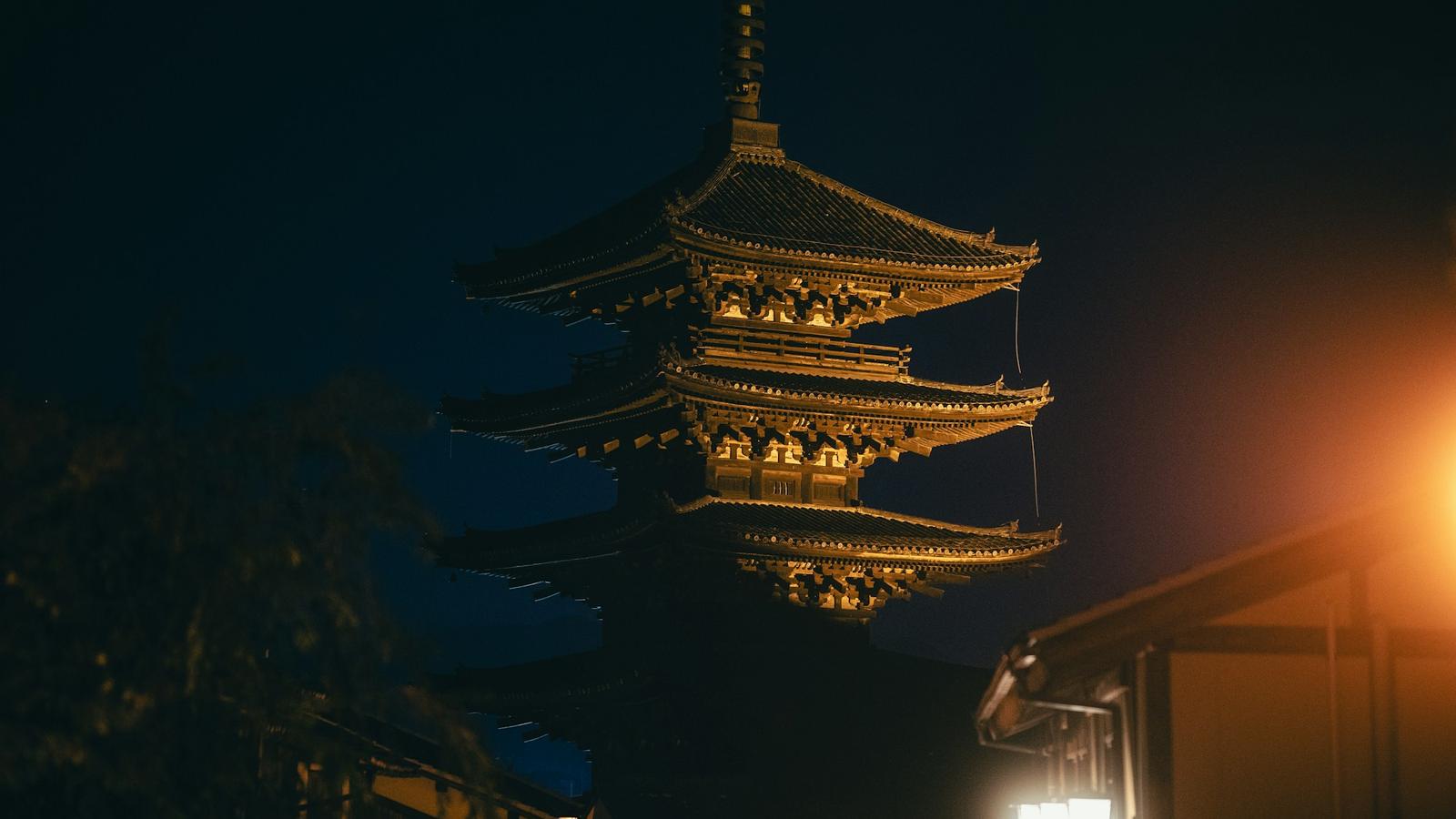
Kyoto can feel like two cities. There is the city that appears in every Japan itinerary, Fushimi Inari, Arashiyama, Kinkaku-ji, the geisha district of Gion, and then there is the city that operates quietly behind it: private tea houses, temple gardens that rarely appear in photographs, ryotei restaurants that seat twelve people and have never had a sign outside.
The surge in international tourism that accelerated through 2024 and 2025 has changed the first Kyoto significantly. It has barely touched the second. This article is about both, what the crowds have done to the accessible city, and how the quieter city is reached.
Key points
- The most photographed sites, Fushimi Inari and the Arashiyama bamboo grove, are crowded from mid-morning. Fushimi Inari before 6am and Kinkaku-ji on a February weekday are the exceptions.
- Many ryotei, some temple garden viewings and most ozashiki take new guests mainly through introductions, and do not appear on booking platforms.
- For cherry blossom and autumn foliage, well-located machiya and ryokan book out six to nine months ahead.
- Allow at least three full days, two of them with nothing scheduled in the afternoon.
WHAT HAS CHANGED
The most famous spots in Kyoto are now difficult to enjoy at a calm pace during the day. Fushimi Inari's iconic torii gates are photographable in solitude only before 6am or after dark. In between, the path is continuous foot traffic. Arashiyama's bamboo grove, one of the most reproduced images in Japan travel photography, is flanked by barriers and crowds from mid-morning onward. The Philosopher's Path during cherry blossom season is a slow-moving queue.
In Gion, the residents have answered for themselves. A message from the Gion Kobu teahouse and geiko associations, Kenninji temple and the Southern Gionmachi council asks visitors not to stop, touch, follow or photograph geiko and maiko without permission, not to stand in the road for photographs, and not to enter private property, and it lists the penalties that already apply, up to a 100,000 yen fine or prison for trespass.
Better timing helps at the edges of the day, but the sites themselves are oversubscribed. Many travelers now plan around different places, and much of Kyoto's depth has always been in its quieter corners.
Simultaneously, Kyoto's accommodation market has tightened significantly. Machiya townhouses and small ryokan in the most desirable locations now book out six to nine months ahead, particularly for cherry blossom and autumn foliage season. For the peak weeks, the most sought-after properties are worth requesting the year before.
Booking windows explain part of this. Hoshino Resorts, for example, opens its hotels for reservations a year ahead and its HOSHINOYA properties eighteen months ahead, so the first dates go early. The city has also raised its lodging tax. Since March 1, 2026, Kyoto charges per person per night 1,000 yen on room rates of 20,000 to under 50,000 yen, 4,000 yen from 50,000 yen and 10,000 yen from 100,000 yen, calculated on the room charge without meals or consumption tax. Nikkei Asia reported that the top rate is ten times the previous maximum, and that the money goes to tourism infrastructure and measures against overtourism.
Even New Year's Eve has changed. In 2025, Chion-in, whose 70-tonne bell cast in 1636 is counted among Japan's three great temple bells, began charging 3,000 yen to attend its midnight bell-ringing, with 2,000 places booked in advance and visitors let in in four groups of 500. The temple told the Kyoto Shimbun that crowding, trouble in the queues and the rising cost of security had made the old free-for-all impossible to keep.
Kyoto's famous sites are busier than they were. Its gardens, back streets and early mornings still keep their own pace.
WHAT STILL REQUIRES AN INTRODUCTION
A significant portion of Kyoto's private experiences operate outside the normal booking infrastructure. They are not listed on travel platforms, do not have reservation pages, and in some cases actively discourage uninvited guests. A first visit usually comes through someone the house already knows: a previous guest, a hotel concierge, or a travel arranger they have worked with.
In practice, the difference has grown. The public sites have become more crowded, while these quieter places have kept to their own pace and their own ways of receiving guests.
Kyoto's top kaiseki houses work in two ways. Some take bookings from abroad directly: Kikunoi Honten, which again holds three stars in the MICHELIN Guide Kyoto Osaka 2026, asks guests coming from overseas to reserve online through its English and Chinese pages. Others, smaller, seating fewer than twenty and closing on nights they choose, keep their books for regulars and for guests introduced by someone they trust, such as a previous patron or a hotel concierge. We can request a table at houses of this kind on your behalf. Whether a seat is offered depends on the evening's availability and on the house's own judgement.
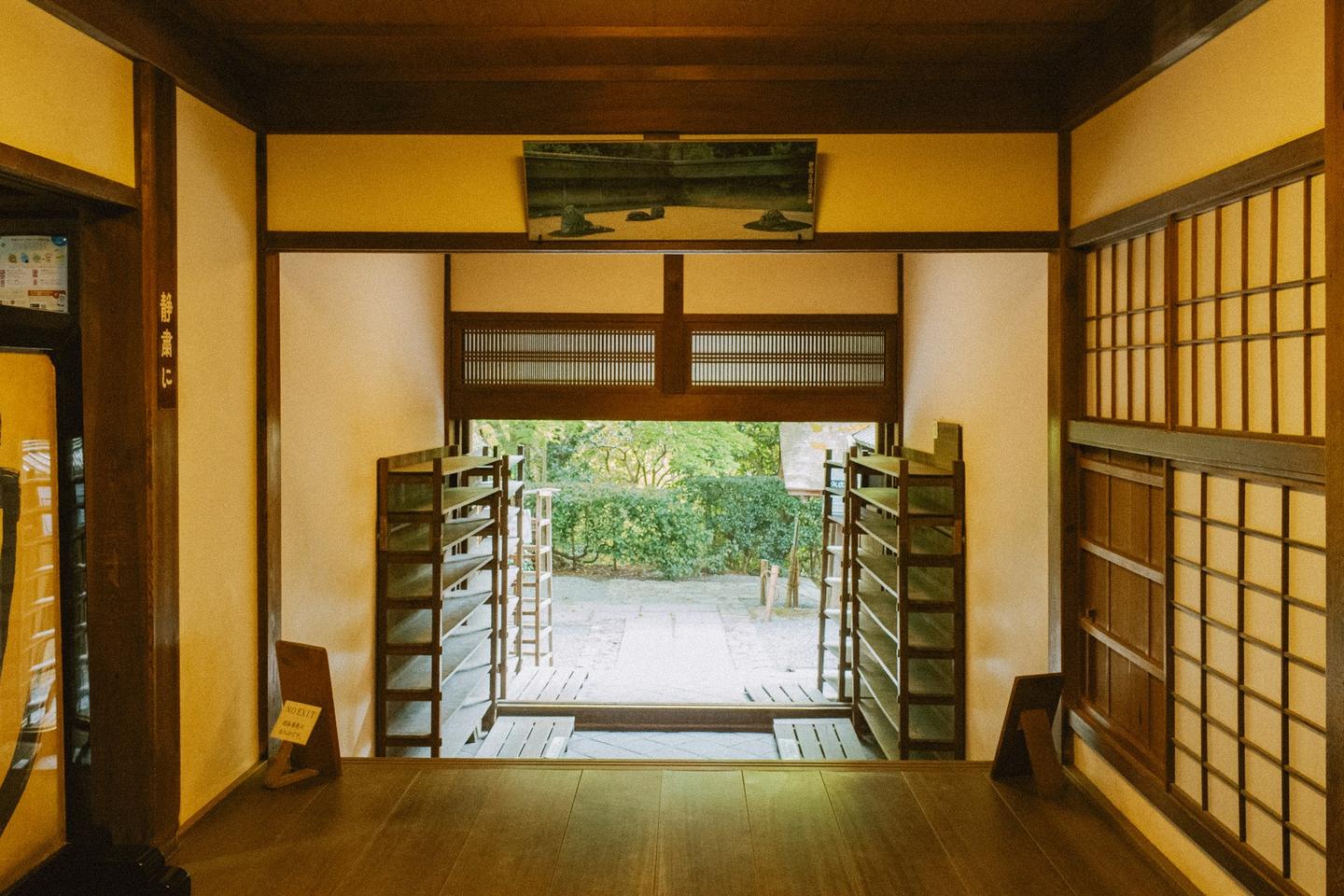
Several of Kyoto's temple gardens open only at limited times, and a few private kare-sansui (dry rock garden) spaces only by prior arrangement. Some sub-temples offer a deeper visit: at Taizo-in, in the Myoshin-ji precinct, the standard visit costs 700 yen (9:00 to 17:00, to 16:00 from mid-December to February), and a guided special viewing for 1,000 yen takes you inside the abbot's quarters to see the garden laid out by the painter Kano Motonobu from within. A few viewings are not offered to the public at all and take place only at the temple's own invitation.
Kyoto has hundreds of tea ceremony experiences available to tourists, forty-five-minute sessions in restored machiya, matcha and wagashi without formal instruction, photographable kimono options. These are fine as a first taste. The full ceremony is a private session with a licensed master in a dedicated chashitsu (tea room), lasting two hours, conducted in the correct seasonal format. Access requires advance arrangement, a minimum of two guests, and for certain masters, a prior introduction.
The ozashiki, an evening entertainment in which geiko (Kyoto geisha) and maiko perform, pour drinks, and play traditional games with guests, is not sold to the public. It takes place in an ochaya (teahouse), and most teahouses accept a new guest only when an existing patron or someone they trust vouches for them. The reason is practical as well as social: the teahouse pays for everything on the night, from the food and the geiko's fees to the car home, and bills the guest later, often two or three months later. The evenings are expensive, and they show the arts of the geiko at close quarters, in a single room. For Signature and Bespoke journeys we can request an ozashiki; whether an evening is possible depends on the teahouse's availability and its decision. For a first look at the arts without an introduction, Gion Corner in the Gion Kobu theatre stages short performances of Kyoto dance, tea ceremony and other traditional arts at 18:00 and 19:00, from 5,500 yen for adults (Tuesday to Friday only from December 1 to March 11).
WHERE TO GO INSTEAD
The areas of Kyoto that remain genuinely quiet in 2026 are the ones you find by knowing the city. The northeast quadrant of the city, the area between Nanzen-ji and Shugaku-in, has long, quiet walks between temples and gardens, with a fraction of the visitor density of Arashiyama or the southern temple circuit. The canal paths of Fushimi, away from the shrine itself, are nearly empty even on peak days.
The back alleys of Nishiki-koji beyond the main covered market stretch, the small shrines of Kamigamo that tourists pass in favour of the main complex, the moss garden at Gio-ji, which takes no booking and is quiet early in the day. These are the places that still feel like the Kyoto that people describe wanting to find.
In Nishiki Market itself, a covered street about 390 metres long, the shopkeepers ask visitors not to eat while walking, and to eat in front of or inside the shop where they bought the food.
Timing still matters for the accessible sites. Fushimi Inari before 6am is worth the early start: the light through the torii, the silence, the occasional fox. Kinkaku-ji on a weekday in February is about as quiet as the popular circuit gets. Hours like these are worth placing early in the itinerary.
Kinkaku-ji opens at 9:00 every day of the year and costs 500 yen for adults, so the quiet half hour belongs to whoever is at the gate when it opens.
ACCESS AT A GLANCE
HOW TO APPROACH KYOTO IN 2026
The practical advice for a quality Kyoto visit in 2026 is to decouple your expectations from the images you have seen online. The photographed version of Kyoto, the one that appears in travel media and on social platforms, is accurate in that these places are real and beautiful. It is misleading in that it suggests they are the point of the city.
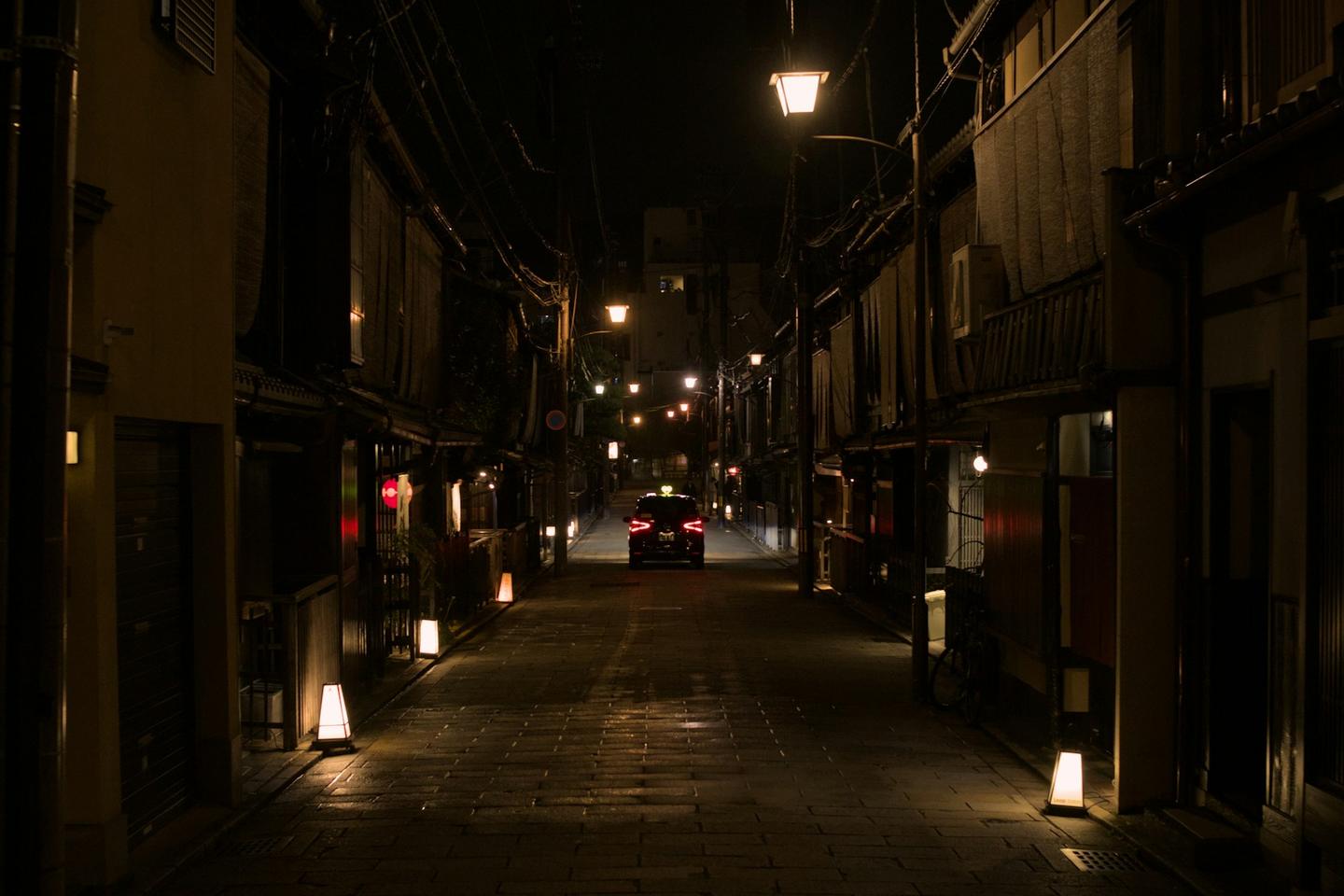
For many visitors, what stays with them is the quiet. The temple garden where no one else is present. The kaiseki meal where the chef emerges to explain the season in each course. The geisha district at dawn before the tour groups arrive, when the streets of Gion are lit by old lanterns and the sound is only footsteps. These things still exist in 2026, and they reward some planning.
Allow at least three full days in Kyoto. Two of those days should have nothing scheduled in the afternoon, time to follow a direction, sit in a garden without a clock, or return to a place that surprised you in the morning. An itinerary filled from 9am to 9pm every day leaves little room for the slower discoveries Kyoto offers.
If you are deciding how much help to have in Kyoto: Which Kyoto days are better with a guide, and which are not.
SOURCES AND HOW WE CHECKED
We first wrote this page in May 2026, revised it on October 5, 2026, and on October 28, 2026 read every page below and added them as its sources. We did not contact the temples, restaurants, teahouses or hotels named here. Opening hours, fees and booking rules change, so we check them again when we arrange your days in Kyoto.
- Kyoto City Tourism Association, Gion manner: a message from Southern Gionmachi (January 9, 2024): who issued the message, what it asks of visitors, the penalties for trespass
- Hoshino Resorts, booking FAQ: reservations open one year ahead, eighteen months for HOSHINOYA
- Kyoto City, accommodation tax (Japanese): the rates from March 1, 2026 and how the room charge is counted
- Nikkei Asia, Kyoto hikes hotel tax on March 1 with top rate of $64 a night (February 28, 2026): the top rate as ten times the previous maximum, where the money goes
- Kyoto Shimbun, Chion-in to charge for New Year's Eve bell (October 1, 2025) (Japanese): the 3,000 yen fee, 2,000 booked places in four groups, the bell and the temple's reasons
- Kikunoi Honten, restaurant page (Japanese): three stars in the MICHELIN Guide Kyoto Osaka 2024 to 2026, online booking for guests from overseas, rooms and closing days
- Bunshun Online, excerpt from Oussouby Sacko's book on life in Kyoto (June 14, 2021) (Japanese): a Kyoto kaiseki house accepting foreign guests through a hotel concierge
- Taizo-in (Myoshin-ji), visiting information (Japanese): hours, the 700 yen standard visit, the 1,000 yen guided special viewing, the Motonobu garden
- Kumiko Nishio, Kobe University Graduate School of Business Administration, discussion paper 2006-28 on the Kyoto geisha districts (PDF) (Japanese): why teahouses take new guests by introduction, the teahouse paying for the evening and billing later
- japan-guide.com, Geisha: existing customers as guarantors, hotels and travel agencies as go-betweens
- Ookini Zaidan (Kyoto Traditional Musical Art Foundation), Gion Corner performances and tickets (Japanese): show times, winter schedule, programme, adult prices
- Nishiki Market Shopping District, official site (Japanese): the market's length and the request not to eat while walking
- Kinkaku-ji (Shokoku-ji), access and visiting (Japanese): 9:00 to 17:00, open every day, 500 yen for adults
QUESTIONS, ANSWERED
Is Kyoto too crowded for tourists in 2026?
The most photographed sites such as Fushimi Inari and Arashiyama bamboo grove are heavily crowded from mid-morning daily. The quieter side of Kyoto, select temple gardens, ryotei kaiseki, a full tea ceremony and ozashiki, is much less affected by visitor numbers.
How do you get access to private experiences in Kyoto?
Most of Kyoto's private experiences operate outside normal booking platforms. Many take new guests mainly through introductions, from a previous guest, a hotel concierge or a travel arranger the house knows. STAYGO can request them on your behalf; each depends on the availability of the date and on the host's own decision.
What is an ozashiki geisha banquet and how can I attend one?
Ozashiki is an evening entertainment in which geiko (geisha) and maiko perform, pour drinks, and play traditional games with guests. It takes place in an ochaya (teahouse), and most teahouses accept a new guest only through an existing patron or someone they trust, such as some hotels and travel arrangers. To see Kyoto dance and other arts without an introduction, Gion Corner holds short evening performances open to anyone.
How far in advance should I book accommodation in Kyoto?
For cherry blossom and autumn foliage seasons, top machiya townhouses and ryokans now book out 6-9 months ahead. Outside peak seasons, 2-3 months is typically sufficient for high-quality properties, though the most sought-after fill year-round because they have few rooms.
Which areas of Kyoto are still quiet despite overtourism?
The northeast quadrant between Nanzen-ji and Shugaku-in remains significantly quieter than Arashiyama. Canal paths in Fushimi away from the main shrine, the moss garden at Gio-ji, and the small shrines around Kamigamo are far less visited and retain the atmosphere most travelers seek.
PLANNING YOUR DAYS IN KYOTO
We shape Kyoto days around what you would like to see, from a ryotei dinner and a temple garden to an evening at an ochaya, and request each one as early as the house allows.
Start planningWe reply within 24 hours, in writing
Some of the restaurants and bars we arrange seat guests only by introduction or membership. We ask on your behalf; the table and the evening are the house's decision. We do not publish their names.