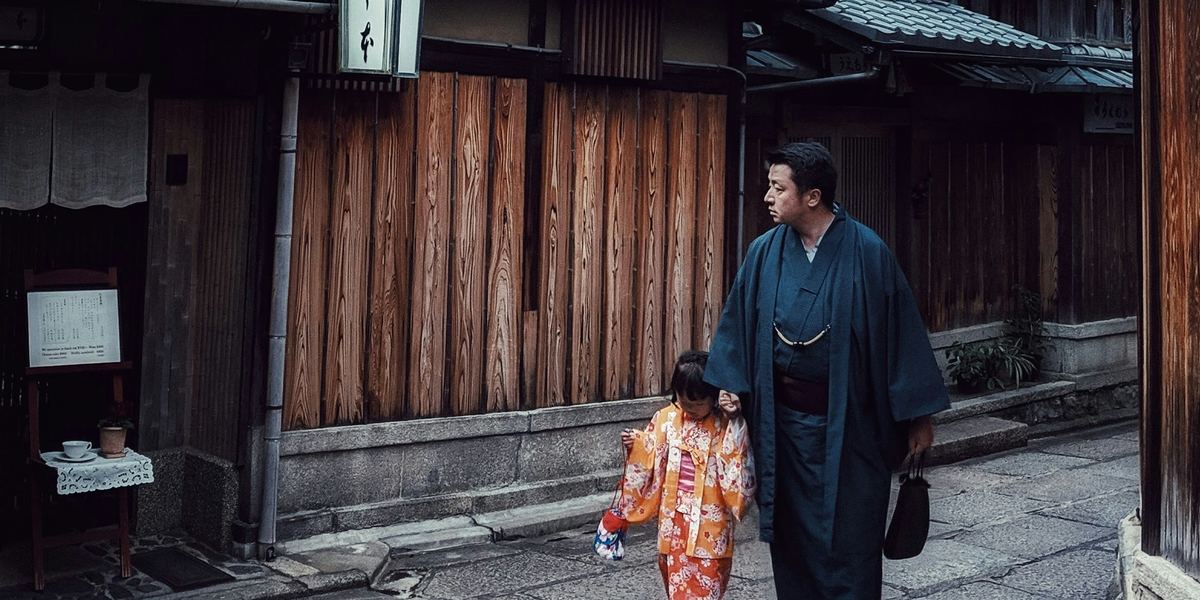
Family
Family travel in Japan
A trip that works for the whole family, children and grandparents included.
What we do for you
Easy days, room to rest
Japan is easy with children once the moving parts are handled. We plan fewer hotel changes, private transfers where luggage and tired legs make trains hard, and days with one main thing in them and time to rest after.
Rooms are often the hard part. Many Japanese hotel rooms are small, so we look for connecting rooms, suites, or ryokan rooms where futons are laid out for the whole family. We check bed setups and age rules with each property before we propose them.
We plan meals with children in mind, and tell each restaurant about allergies in Japanese well before the day. If someone needs a slower morning, we move the plan around them.
How we plan it
-
Rooms with space
Connecting rooms, suites or family-size ryokan rooms, with bed setups confirmed before we propose them.
-
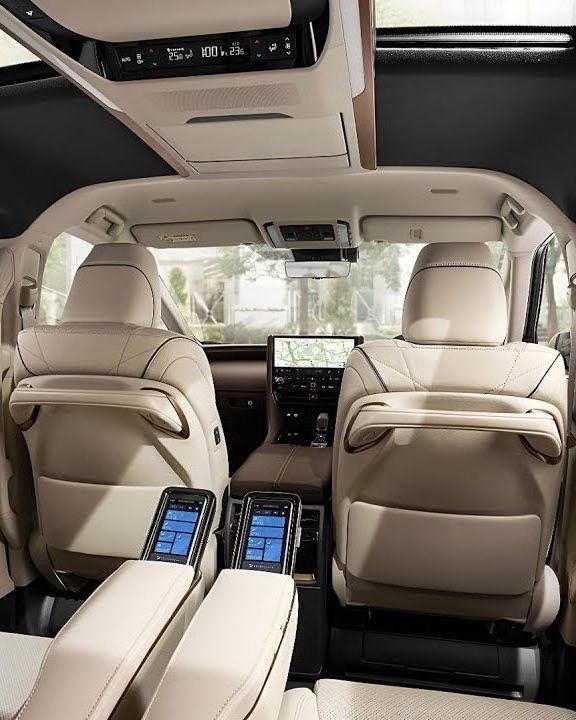
Transfers that are easy
Private cars with room for luggage and car seats, and trains where they are simpler.
-
One main thing a day
Mornings for the big sights, afternoons for rest, parks or the pool.
-
Meals that work
Restaurants that welcome children, with allergies passed on in Japanese ahead of time.
What we arrange for families
Examples from family plans.
-
Connecting rooms
Two rooms with a door between them, or a suite, with the bed setup and extra bedding confirmed by the hotel.
-
A car with room for everyone
A van with space for luggage and child seats on the days you move.
-
Luggage sent ahead
Suitcases sent by courier from one hotel to the next, so you ride the bullet train with only a day bag.
-
Meals that suit children
Restaurants that welcome children, with allergies explained in Japanese to each kitchen before the day.
Three ways to stay as a family
Space is the question in Japan. These are the shapes that work best for families.
-
A suite or connecting rooms
The most flexible choice in Tokyo and Kyoto. Children and parents each have a door to close.
Suits: city stays
-
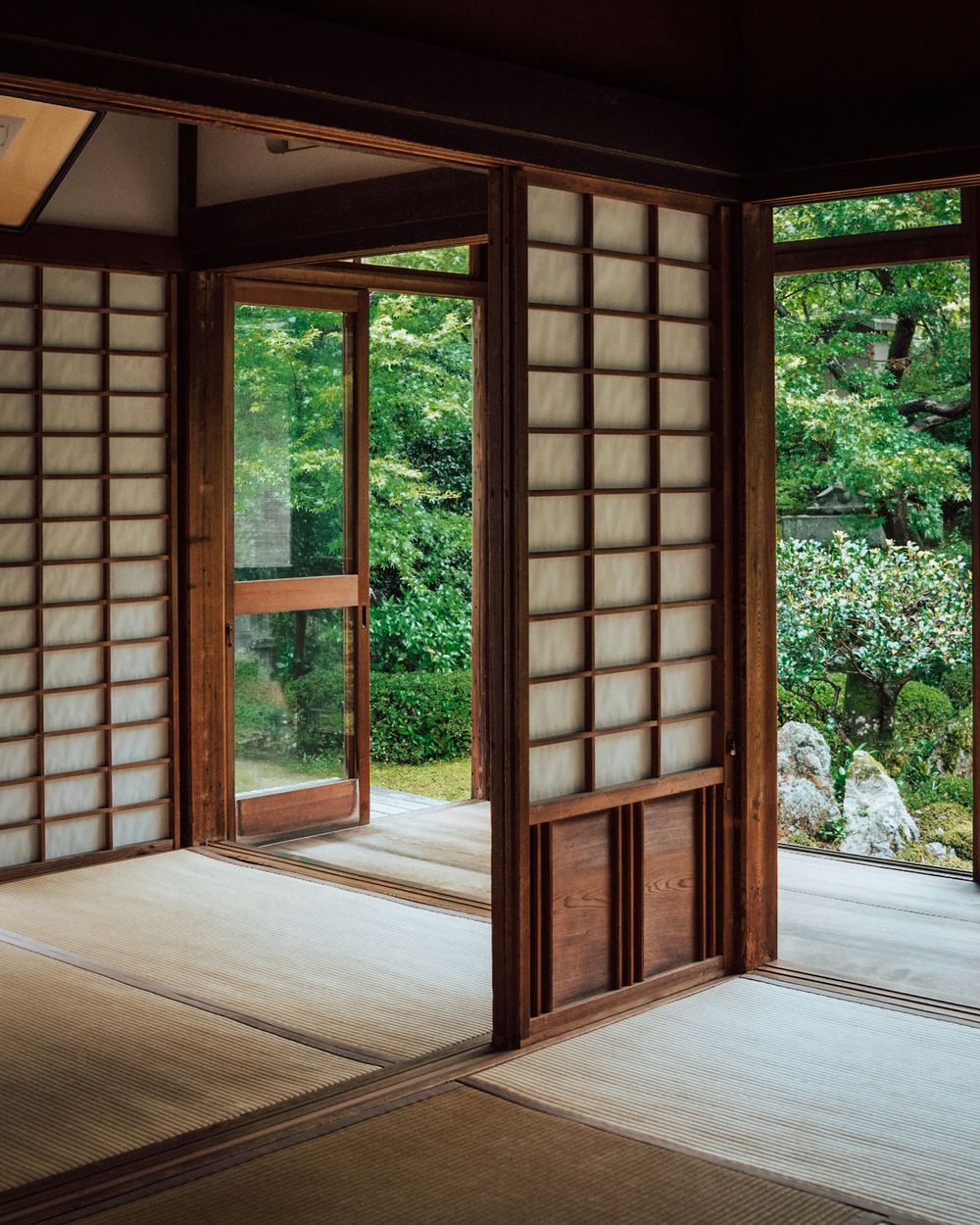
A family room in a ryokan
A large tatami room where futons are laid out for everyone after dinner, the whole family together in one room.
Suits: one or two nights in the middle
-
A townhouse or apartment
A whole machiya or a serviced apartment with a kitchen and a washing machine, for slower days.
Suits: longer stays and grandparents
Ideas for your journey
Shapes to start from. Every route is rebuilt around your dates, your pace and the rooms that are open.
-
10 days
Tokyo and Kyoto, two bases
- Tokyo5 nights
- Kyoto4 nights
Only one hotel change, with the bullet train between the two cities.
-
12 days
Tokyo, Hakone and Kyoto
- Tokyo4 nights
- Hakone2 nights
- Kyoto5 nights
A ryokan stay in the middle, where the whole family sleeps on futons in one room.
-
14 days
Tokyo, Kanazawa and Kyoto
- Tokyo5 nights
- Kanazawa3 nights
- Kyoto5 nights
Gardens, crafts and a quieter city between the two big ones.
Each route is shaped around what is open on your dates.
Ten days as a family, day by day
A sample of the Tokyo and Kyoto route above, with one main thing a day and time to rest after.
-
Day 1
Arrive and rest
A car from the airport, room to spread out, and dinner near the hotel.
-
Day 2
A museum morning
A science or art museum in the morning, and an afternoon at the hotel or in a park.
-
Day 3
Gardens and boats
A big garden, a river boat, and a free afternoon.
-
Day 4
A day out of the city
A day trip by train or private car, back in time for an early dinner.
-
Day 5
Your own day
Shopping, a park or simply a slow morning. We keep this day light on purpose.
-
Day 6
The bullet train
Luggage sent ahead the day before, and an afternoon to settle in.
-
Day 7
Temples early
A guide for the big temples at opening time, and the afternoon off.
-
Day 8
Nara and its deer
A short trip to Nara, where deer walk freely in the park around the temples.
-
Day 9
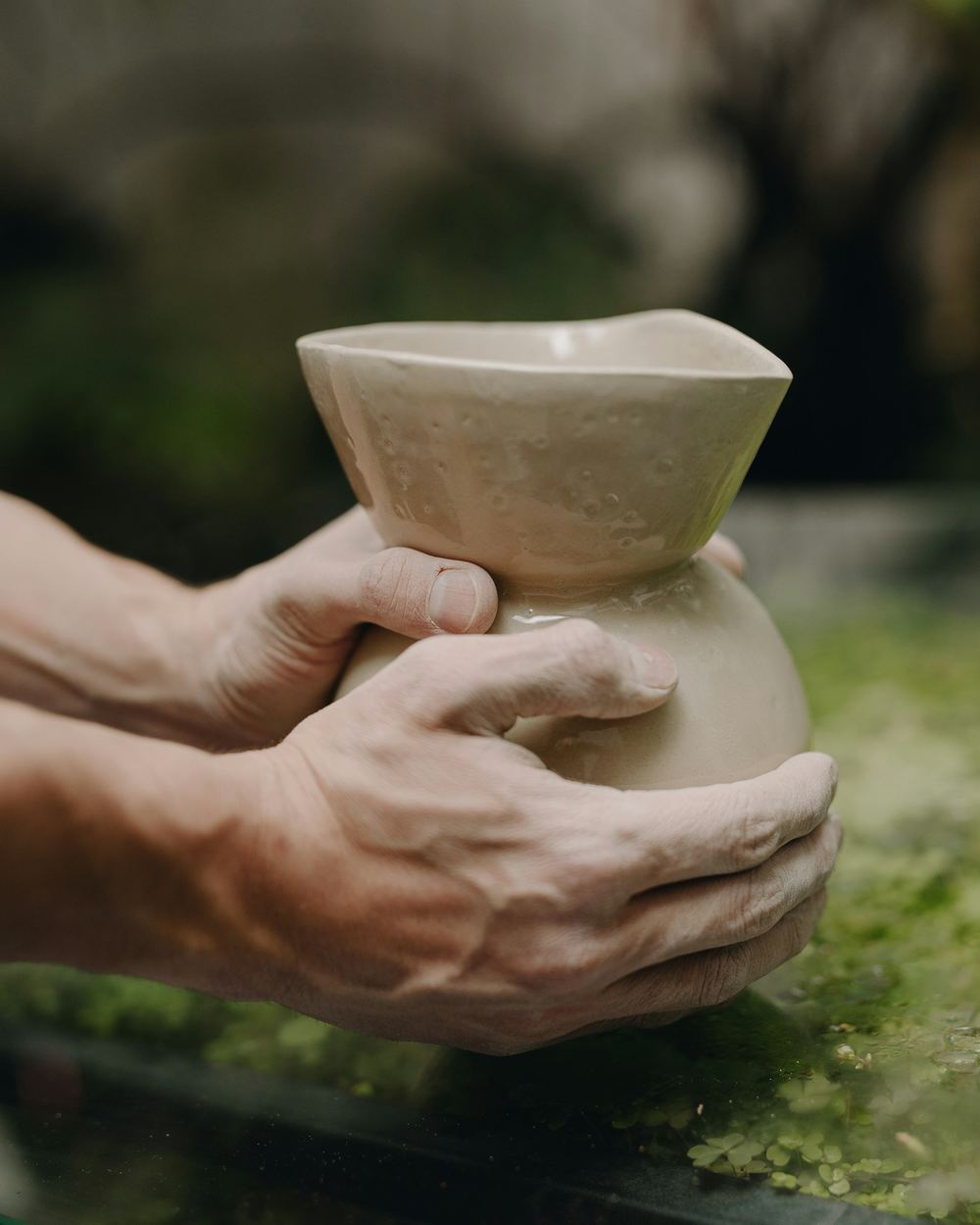
A hands-on afternoon
A cooking class or a craft workshop for the whole family, where children are welcome.
-
Day 10
Home
A car to the station or the airport, timed to your flight.
When families travel
School holidays often decide the dates. Here is what to expect in each.
-
Spring break
Cherry blossoms in late March and early April, and busy hotels. The earlier we start, the more room choice there is.
Suits: parks and gardens
-
Summer holidays
Hot and humid in July and August. We plan mornings outside, afternoons indoors, and a few days in the cooler mountains.
Suits: Hakone, the mountains and the sea
-
Autumn
Mild days and clear skies in October and November. One of the most comfortable times for walking with children.
Suits: Kyoto and long walks
-
Winter holidays
Crisp, sunny days in Tokyo and Kyoto, and snow further north. The New Year days are quiet in cities and busy at shrines.
Suits: snow and hot springs
Questions families ask us
Can we bring a stroller?
Yes. Japanese cities have lifts at most large stations, but temples and old streets can have steps and gravel. We note in your guide where a carrier is easier.
Are ryokan suitable for small children?
Many are, and some set their own age rules. We check each ryokan's rules for children, bedding and meals before we propose it.
One of our children has a food allergy. How do you handle it?
We pass on allergies in Japanese to every restaurant and ryokan kitchen ahead of time, and confirm what they can prepare.
How does the planning fee work for a family?
Signature is USD 3,500 for your group, for a journey of 7 to 21 days, whatever the number of children. Our planning fee is presented separately from the costs of your journey.
Further reading
-
-
-

-
-
-
Or start from another kind of trip
Other journeys
Tell us about your journey
Send us your dates, who is travelling and what matters most. We will come back with a first shape for the trip before any work begins.
Signature is USD 3,500 for your group, for a journey of 7–21 days. Longer or more complex journeys are planned as Bespoke.
During the trip, you reach us through the STAYGO app and WhatsApp. We agree our response hours with you before you leave.