Japan can be an intensely stimulating country to travel through. It is also, quietly, a very good place to do nothing. The wellness tradition underneath Japanese culture, in its architecture, its food, its handling of time and space, is several centuries older than the wellness industry, and it is still open to anyone who slows down enough to find it.
This article is for travelers who want Japan to slow them down. Forest trails, mountain temples, the silence of a shojin ryori meal at dusk, an itinerary with almost nothing in it. All of it can be arranged. It just takes a different kind of planning than the standard Japan circuit.
Key points
- From Tokyo, Nikko, Hakone and Chichibu are close enough for shinrin-yoku without an overnight. Yakushima takes a flight or a ferry and at least two nights on the island.
- Koya-san works well as a one-night extension from Osaka or Kyoto: a shukubo stay with shojin ryori, morning prayer at 6am, and Okuno-in at dusk or dawn.
- A wellness itinerary works best around one anchored experience a day. The hours around it stay unscheduled.
- After long, busy weeks, many people need a day or two before they settle into a slower pace.
MA (間): THE USE OF EMPTY SPACE
In Japanese aesthetics, ma is negative space: the pause between notes in music, the empty wall in a room, the silence in a conversation. It is structure, the space that gives everything else its form. The concept applies to architecture, to garden design, to how a meal is sequenced, and to how Japanese culture has always handled time.
The Japanese wellness tradition is built on this logic. Rest comes from stillness: the hot spring that asks you to sit quietly, the forest walk with no destination, the temple schedule that wakes you at 5:30am so that you are present when the day starts. For travelers arriving from heavily scheduled lives, this is often the most unfamiliar thing Japan offers, and often the most welcome.
Leaving space in the days is what lets a trip like this work.
SHINRIN-YOKU: FOREST BATHING
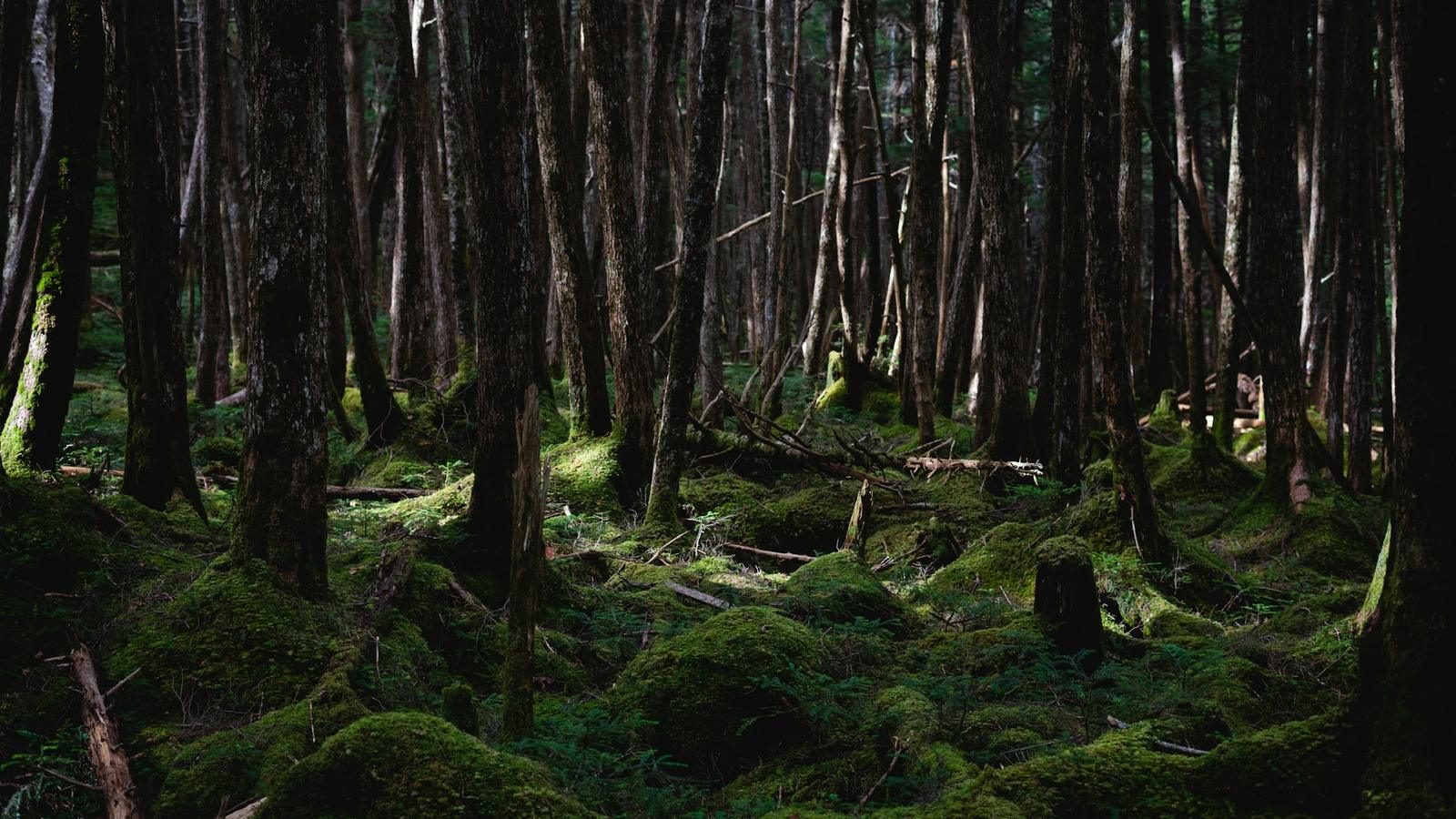
Shinrin-yoku (森林浴), literally “forest bathing”, is the practice of slow, mindful time spent in a forest. The term was coined in 1982 by Akiyama Tomohide, then director of Japan's Forestry Agency, and Japanese researchers have since studied how time among trees affects stress, measuring markers such as the stress hormone cortisol and blood pressure. The findings are still being studied, and a forest walk is not a medical treatment. Much of it is attention: a forest asks for a slower kind of presence than most places.
The Forest Therapy Society has certified 63 Forest Therapy Bases and Therapy Roads across Japan. The forests that work well have dense canopy, an unhurried path, and a guide who slows you down further than you would slow yourself.
Yakushima, an island off the southern tip of Kyushu, holds one of Japan's great forest environments. The island's ancient cedar forest, home to the Jomon Sugi, a cedar estimated at more than 2,700 years old, was designated a UNESCO World Heritage Site in 1993. Walking through it is unlike anything else on the Japanese travel circuit: the scale of the trees, the density of the moss, the sound of water. Getting there takes a flight or a ferry, and it needs a minimum of two nights on the island, so it works best as the anchor of a longer trip.
For travelers based in Tokyo, three forests are close enough for shinrin-yoku without an overnight. Nikko's cedar-lined approaches to its shrines and temples are quiet and misty in the early morning, so arrive before the tour groups reach the Tosho-gu area. Hakone's forests are under 90 minutes from central Tokyo and pair naturally with an onsen ryokan stay. Chichibu is closer still and usually quieter, with long forest walks in the hills. A guide can be requested in all three areas.
KOYA-SAN: SACRED MOUNTAIN OF SHINGON BUDDHISM
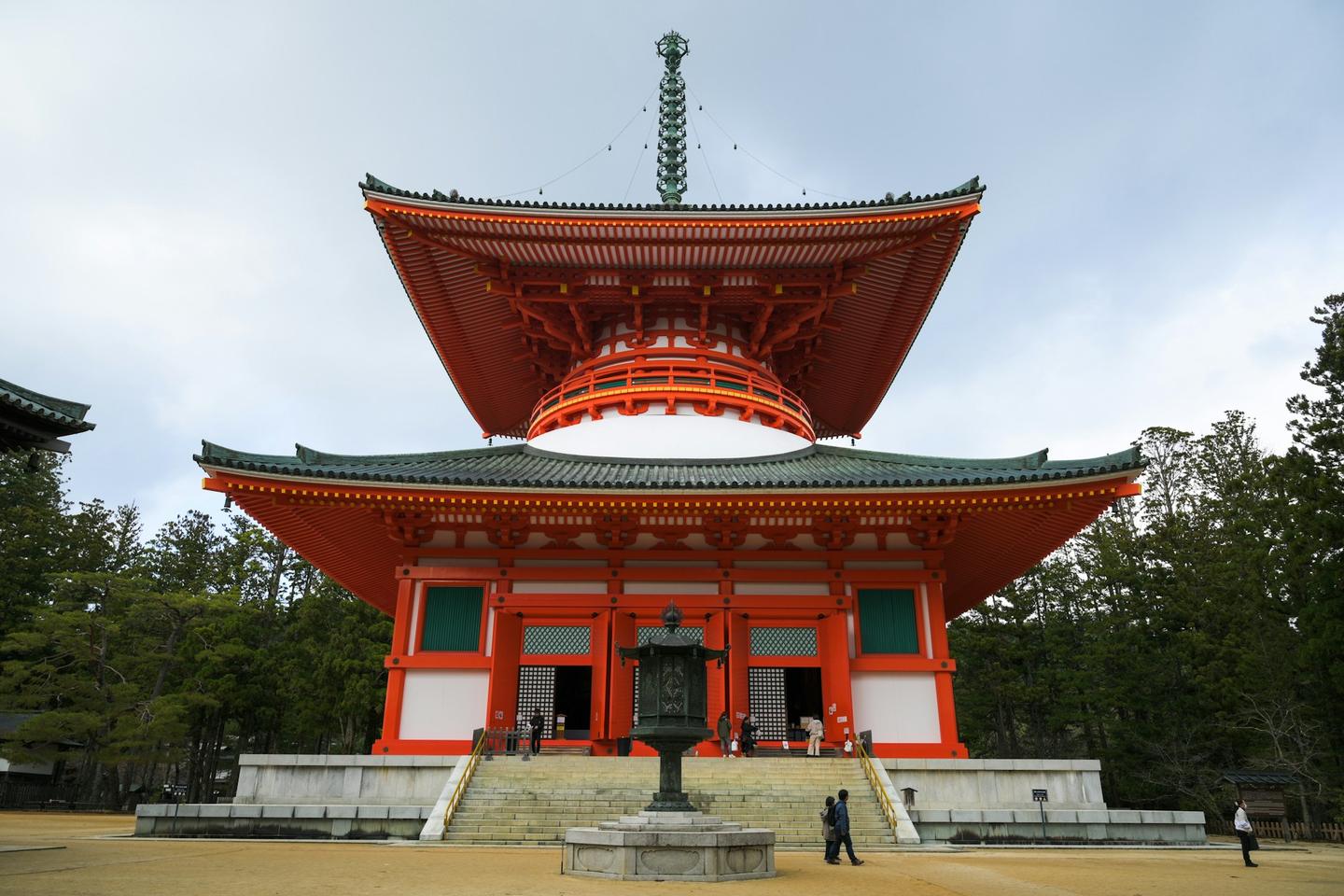
Mount Koya (Koya-san, Wakayama Prefecture) is the headquarters of Shingon Buddhism, founded by the monk Kukai (Kobo Daishi) in 816. Over 100 temples occupy the mountain plateau, and more than 50 offer shukubo, temple lodging for overnight guests. This is a working religious site, and guests are invited into the rhythm of monastic life.
The shape of a shukubo stay: arrive before dusk, settle into a tatami room, eat shojin ryori in silence or near-silence. The gongs start before dawn and you rise at 6am for morning prayer. At dusk or dawn you walk through Okuno-in cemetery, past more than 200,000 graves and memorials under ancient cedars. Access is by Nankai line from Osaka, about two hours.
Okuno-in at dawn: more than 200,000 graves and memorials under ancient cedars, and the sound of the morning sutras. It takes one night on the mountain.
STAYGO recommends Ekoin and Rengejo-in for a shukubo stay on Koya-san. Both have rooms that hold genuine monastic atmosphere at a level of comfort that suits travelers not used to sleeping on thin futons. Koya-san works well as a one-night extension from Osaka or Kyoto.
EIHEIJI: ZEN TRAINING MONASTERY
Eiheiji temple in Fukui Prefecture is the headquarters of Soto Zen Buddhism, founded by the monk Dogen in 1244. Unlike Koya-san, it is an active training monastery: the monks here are in the middle of years-long formal training. The morning zazen sessions open to the public run in the correct Soto format, in silence, and participants are expected to sit still for the full duration.
To stay close by, a small number of guesthouses in the surrounding village offer traditional rooms within walking distance. Zazen sessions and visiting conditions change, so it is worth checking the temple's current arrangements for your dates, and choosing a session that matches how familiar you are with Zen practice.
YOGA, ONSEN, AND THE RYOKAN AS WELLNESS ENVIRONMENT
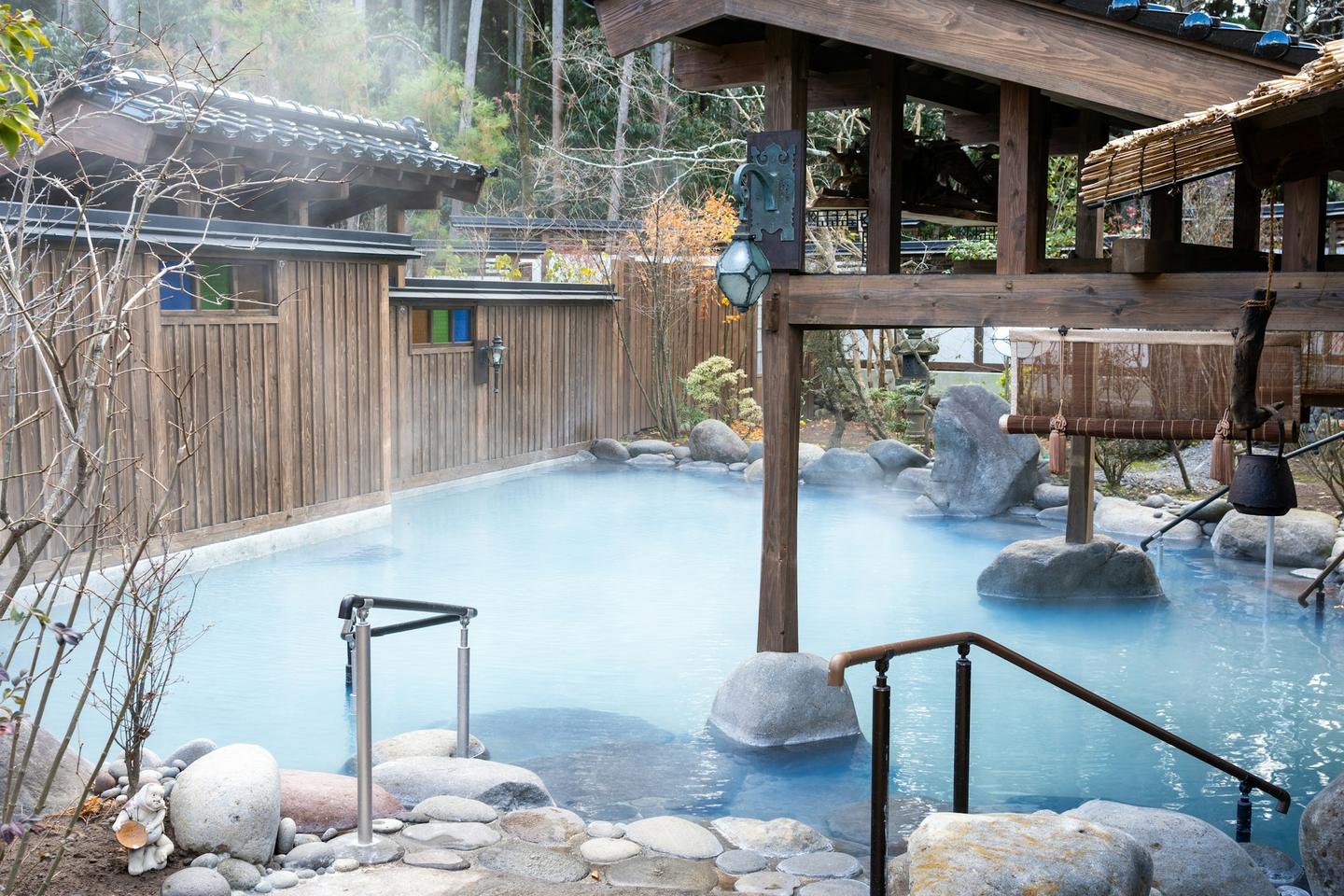
Several Hakone and Izu ryokan now offer morning yoga, usually on an open platform with forest or mountain views, followed by a private onsen. The category is growing and the quality range is wide. Some properties have built it into the stay with care; in others it is a smaller addition.
We look for ryokan where the two fit together well: an experienced instructor, a session that sits easily in the ryokan's day, and a private bath reserved for you afterwards, subject to availability. Morning practice, a long soak in mineral water, and a kaiseki lunch make a full day.
SHOJIN RYORI: TEMPLE VEGETARIAN CUISINE
Shojin ryori is the Buddhist temple cuisine of Japan: no meat, no fish, no eggs, no strong flavors (no garlic, no onion in many traditions). It developed in Zen temples as a practice of eating with awareness, seasonal and local, simple in ingredients and exacting in technique. It is one of Japan's great culinary arts.
Kyoto is the place to start. Izusen, within the grounds of Daitoku-ji temple, serves in a garden setting, an unhurried lunch among the temple's buildings. Shigetsu, inside Tenryu-ji in Arashiyama, looks out over the famous garden. On Koya-san, shojin ryori comes as part of the shukubo stay: lacquer boxes brought to your tatami room, course by course, in the quiet.
For travelers who follow vegetarian or plant-based diets, shojin ryori is one of the most complete ways to eat well in Japan. We suggest one shojin ryori meal in a wellness itinerary whatever your diet, because the cooking is worth the time.
AN ITINERARY WITH SPACE IN IT
Wellness travel in Japan takes a particular kind of planning discipline: designing the empty space. We build wellness itineraries around one anchored experience a day: a morning forest walk, a shukubo stay, a shojin ryori lunch. The hours around it stay unscheduled. No transport deadlines in the afternoon, and no second activity added “just in case.”
The time spent in the ryokan garden with tea, watching the light move across the maples, is the point of the trip. After long, busy days elsewhere, many people need a day or two before they settle into a slower pace, so it helps to leave room for that.
Two or three nights in one place usually rest people more than a new hotel every night.
SOURCES AND HOW WE CHECKED
The dates and figures in this article come from desk research. We read the pages below on October 5, 2026, and did not contact the temples or organisations. On that date we corrected two figures to match them: the estimated age of the Jomon Sugi, and what the 200,000 at Okuno-in counts, which is graves and memorials.
- Nippon.com, interview with Miyazaki Yoshifumi: the term shinrin-yoku was coined in 1982 by the director of the Forestry Agency
- Forest Therapy Society, about forest therapy (Japanese): 63 certified Forest Therapy Bases and Therapy Roads nationwide
- Ministry of the Environment, Yakushima: the Jomon Sugi's estimated age of more than 2,700 years
- World Natural Heritage in Japan, Yakushima: inscription as a World Heritage site in 1993
- Koyasan Shingon sect, the life of Kobo Daishi: the founding of the monastery on Koya-san in 816
- Visit Koyasan, lodging: 117 temples on the mountain, 51 of which offer shukubo
- Wakayama Prefecture's official tourism site, Okuno-in (Japanese): more than 200,000 memorial towers and gravestones along the approach
- Soto Zen, head temples: Eiheiji founded by Dogen in 1244
QUESTIONS, ANSWERED
What is shinrin-yoku and where can you do it in Japan?
Shinrin-yoku (forest bathing) is the Japanese practice of slow, mindful time spent in forests. The Forest Therapy Society has certified 63 forest therapy bases and roads across Japan. Good forests for it include Yakushima (World Heritage ancient cedar forest off Kyushu), Nikko (cedar-lined shrine approaches), Hakone (easy access from Tokyo), and Chichibu (quieter hills close to Tokyo). A guide helps set a slower pace.
Can anyone stay at Koya-san temple lodgings (shukubo)?
Yes. Over 50 temples on Koya-san (Mount Koya) offer shukubo temple lodging to visitors. Guests wake for 6am morning prayer and eat shojin ryori vegetarian cuisine. Ekoin and Rengejo-in are two well-regarded choices. Access is by Nankai line from Osaka (approximately 2 hours). We suggest requesting a room at least two months ahead.
What is shojin ryori and where can you eat it?
Shojin ryori is the Buddhist temple vegetarian cuisine: no meat, fish, eggs, or strong flavors. It is one of Japan's most refined culinary traditions. You can eat it in Kyoto (Izusen in Daitoku-ji, Shigetsu in Tenryu-ji) and on Koya-san as part of shukubo temple stays.
How does STAYGO design a wellness itinerary differently?
STAYGO builds deliberately spacious wellness itineraries: one anchored experience per day, long unscheduled gaps, no transport deadlines. The quiet time in a ryokan garden is treated as the point of the trip. Itineraries are sequenced to move between forest, mountain, and hot spring environments so that the rest builds from one day to the next.
STAYGO DESIGNS WELLNESS ITINERARIES BUILT ON STILLNESS
Shinrin-yoku, Koya-san shukubo, shojin ryori, private onsen, and the empty hours between them that make the rest work. Tell us how slow you want the days to be.
Start planningWe reply within 24 hours, in writing
Some of the restaurants and bars we arrange seat guests only by introduction or membership. We ask on your behalf; the table and the evening are the house's decision. We do not publish their names.