Japan has a problem that most travel guides gloss over: there are four periods each year when domestic travel surges, prices spike, and the country's well-known sites reach maximum density. Knowing these dates, and more importantly, knowing what falls between them, is the foundation of planning any Japan trip.
This piece is about understanding when the country is operating for itself, when it has space for visitors, and how to time a trip so that the experience matches what travelers are actually seeking.
Key points
- Four periods to plan around: Golden Week (approximately April 29 to May 5), Obon (approximately August 13–16, varying by region), Silver Week in mid-September in the years the holidays line up, and New Year (December 28 to January 4).
- The windows between them: February to early March, late May to mid-June, the first two weeks of October, and late November to mid-December.
- For cherry blossom or autumn foliage at sought-after properties in Japan, STAYGO recommends starting to plan 12–18 months out, and for Golden Week 18 months is not excessive. February, late May and early October are achievable with 3–6 months of lead time.
- If a blackout period is the only option, build the days around quieter places: a ryokan with few rooms, a private room for dinner, a car of your own. Most of the congestion is at the busiest public sites.
THE FOUR BLACKOUT PERIODS
These are the dates to plan around, because the busiest transport, hotels and sites reach capacity. Transport, accommodation, and sites are either sold out or operating under peak conditions that materially reduce the quality of the experience.
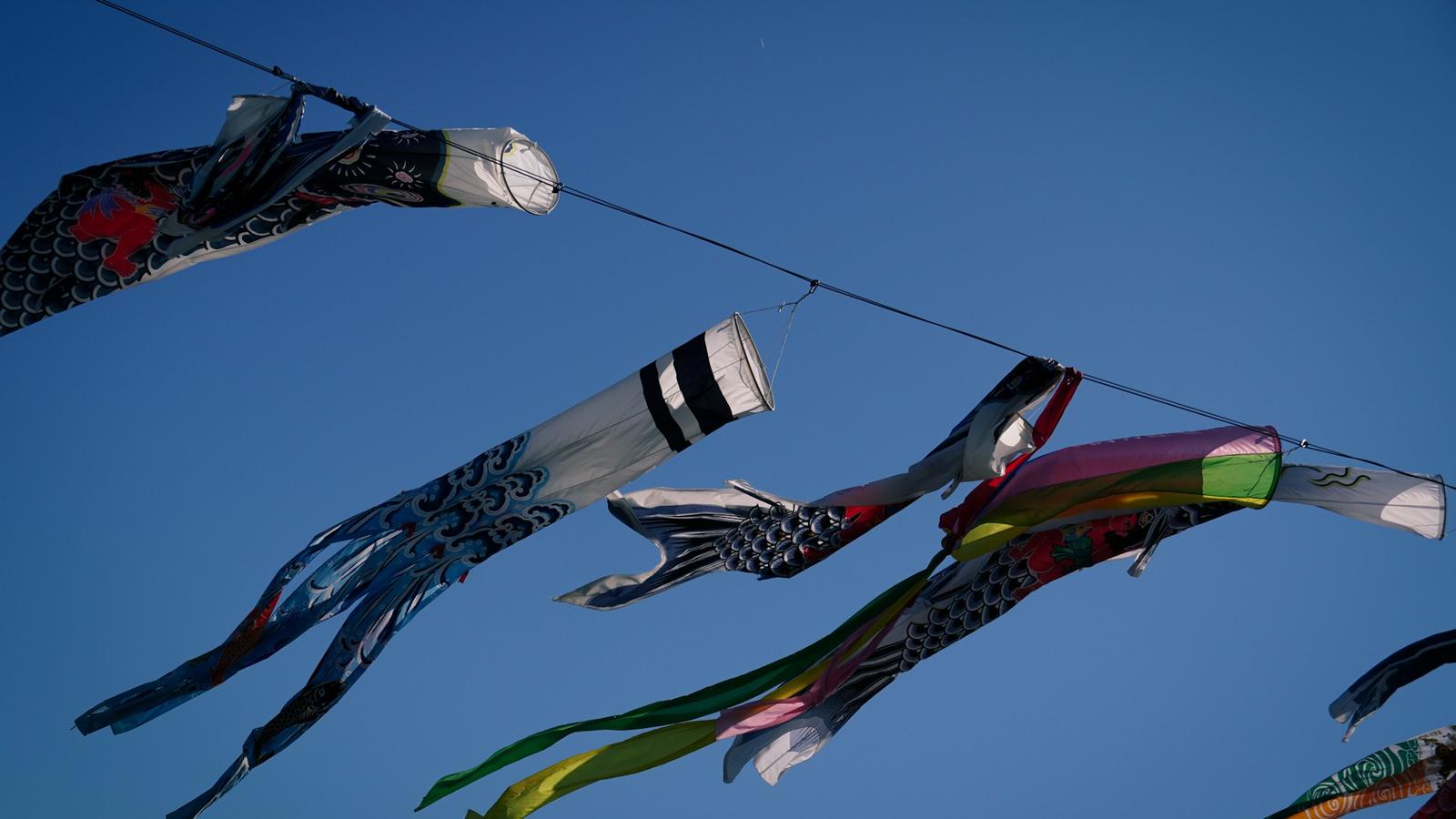
Approximately April 29 to May 5, clustering Showa Day, Constitution Day, Greenery Day, and Children's Day. Japan's most intense domestic travel period. All transport, shinkansen, domestic flights, highway buses, operates at or near capacity. Hotels in popular destinations sell out months ahead. Prices sit well above standard rates. Tourism sites reach maximum density. Kyoto in early May looks nothing like the Kyoto that appears in photographs. If you can, travel at another time. If you cannot, the last section explains how to build the days around quieter places.
In 2027, Showa Day falls on Thursday, April 29, and May 1 to 5 runs from Saturday to Wednesday, so those five days are the core of the holiday. JR Central's count for Golden Week 2026 shows the pattern: over the 13 days from April 24 to May 6, the Tokaido Shinkansen carried 4.93 million passengers, with the heaviest day out of the cities on Saturday, May 2 (297,000) and the heaviest day back on May 6 (311,000). Every Nozomi ran with reserved seats only for the whole period; on those days an unreserved ticket lets you stand in a Nozomi's deck area, while the Hikari, Kodama and other trains keep their unreserved cars. JTB expected 23.9 million domestic trips over the 2026 holiday, with one-night trips the most common plan, and named May 2 as the busiest day to leave. JR Central and JR West announce the next year's reserved-only periods in January; the 2026 list came out on January 7, 2026.
Approximately August 13–16, though the exact dates vary by region (some areas, including parts of Tokyo, observe Obon in mid-July). The Buddhist ancestor-welcoming festival during which most Japanese families return to their home regions. Domestic travel surges dramatically. Trains to rural areas are packed, coastal resorts fill entirely, and the cities that people are leaving from become strangely quiet while their destinations become congested. Many smaller businesses, including some restaurants and specialty shops, close for the period. The heat in August compounds the difficulty. This is the period that catches the most international travelers off-guard.
In 2027, Mountain Day falls on Wednesday, August 11, and August 13 to 16 runs from Friday to Monday. Tokyo keeps two dates: Zojoji in Shiba holds its Obon services from July 13 to 15 and again from August 13 to 15, which it calls the month-later Obon. On the Tokaido Shinkansen, Obon 2026 (August 7 to 16) brought 4.15 million passengers, with the outbound peak on Saturday, August 8 and the return peak on Sunday, August 16 (294,000).
Silver Week occurs when Respect for the Aged Day and the Autumnal Equinox fall in such a way as to create a consecutive holiday cluster, typically in mid-September. It does not occur every year. The alignment depends on the calendar. When it does, the crowd impact is significant though smaller than Golden Week. The saving grace is that autumn is beginning, temperatures are dropping from summer peaks, and the countryside is often genuinely beautiful. Check whether Silver Week falls in your travel year before finalizing September dates.
2026 had one: Respect for the Aged Day on Monday, September 21 and the equinox on Wednesday, September 23 made the Tuesday between them a holiday, giving five days off from September 19 to 23, and every Nozomi ran reserved-only from September 18 to 23. 2027 does not: Respect for the Aged Day is Monday, September 20 and the equinox is Thursday, September 23, so there is only an ordinary three-day weekend from September 18 to 20. Because traffic on three-day weekends has been rising, JR Central and JR West now treat some of them the same way, with reserved-only Nozomi on October 10 to 12 and November 21 to 23, 2026, and January 9 to 11 and March 20 to 22, 2027.
Japan effectively shuts down for the New Year period. Many restaurants close, including well-known ones, which use this time as annual leave. Temples and shrines are extremely crowded on January 1–3 for hatsumode, the first shrine visit of the year, with queues at major shrines measured in hours. Hotels stay open but much else does not. The atmosphere on New Year's Eve and New Year's Day in Japan is genuinely special, but it requires understanding what will and will not be available. Travelers who arrive expecting a full-service holiday experience are frequently disappointed.
For the 2026–27 New Year, JR Central runs every Nozomi reserved-only from December 25 to January 5 and plans 449 Tokaido Shinkansen trains a day. A year earlier the busiest days were Saturday, December 27 going out and Sunday, January 4 coming back (350,000 passengers that day). The closures are specific: the Kyoto Imperial Palace closes from December 28 to January 4, the Tokyo National Museum from December 26 to 31 (it reopens on January 1 from 12:00 to 20:00), and Kikunoi Honten in Kyoto lists a year-end and New Year break. Meiji Jingu, which says it usually receives more first visits of the year than any other shrine in Japan, stays open through the night of December 31.
A common planning mistake in Japan is choosing the right hotels for the wrong dates. Moving a trip by two weeks can change how crowded it feels.
THE SHOULDER WINDOWS
Between the blackout periods are quieter windows. They are talked about less than cherry blossom season, and they are often easier to plan.
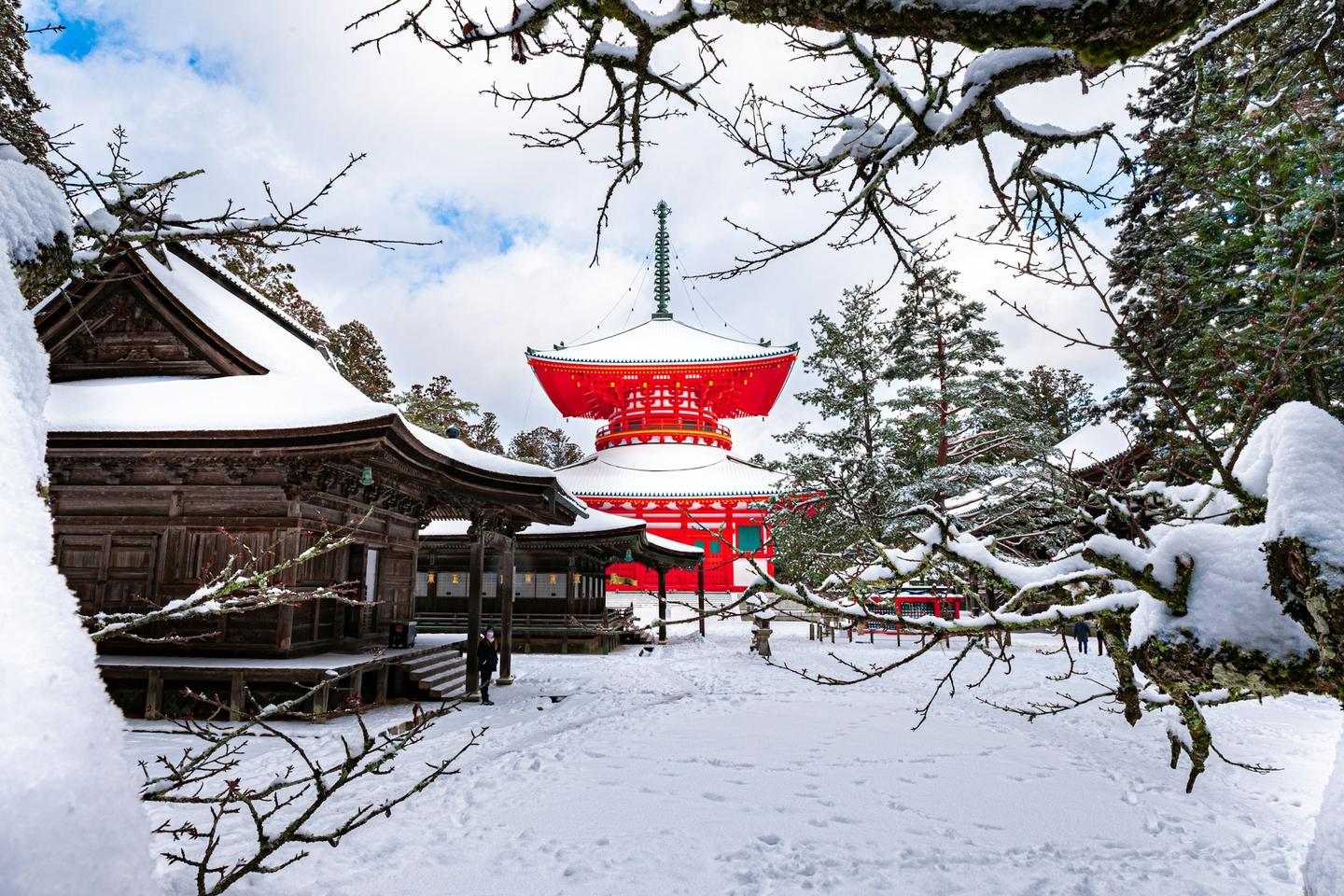
Cold and quiet. Onsen and ryokan come into their own. An outdoor bath with snow falling around you is one of the classic pleasures of a Japanese winter. Temples are usually far quieter than in spring or autumn. In the dry winter air Fuji is more often clear than in the humid spring and summer months. For travelers drawn to onsen and quiet temples, February is well worth considering.
The post-Golden Week recovery period. Tourist numbers drop significantly the moment the holiday ends. Temperatures are warm but not yet the heavy heat of July and August. Greenery is at its peak. Japan in late May is deeply, saturatedly green in a way that autumn and spring are not. The hydrangea season begins in June. Late May and the first days of June, before the rainy season arrives, offer dry warm days with very manageable crowds. The rainy season itself (tsuyu) is not as prohibitive as its reputation suggests. The Japan Meteorological Agency's 1991–2020 averages put it at about June 7 to July 19 in the Kanto region and June 6 to July 19 in Kinki, and in 2026 it began around June 2 in both. Rain in Japan, in a good ryokan, has its own appeal.
The first two weeks of October are a quiet window that few visitors plan for. Summer heat has broken. The light is different, lower, golden, less harsh. Autumn color has not yet begun in most of the country, which means the crowds that will arrive for foliage in late October and November are still absent. Higashiyama in Kyoto, the countryside of Nikko, the mountains of Nagano, all of these are accessible in early October with a fraction of the November visitor density. It suits travelers who want mild days before the foliage crowds arrive.
Autumn foliage in warmer cities (Tokyo, Osaka, and lower-elevation Kyoto) continues into late November and sometimes early December. The November crowds that peak around the third week of the month have largely gone by late November. December before the 25th is calm, cold, and genuinely pleasant. Japan does not celebrate Christmas in the Western sense, so there is no seasonal crowd influx. Illumination events at parks and gardens create beautiful evening scenes. It suits travelers who want late autumn colour without the peak-season pressure on accommodation and transport.
BOOKING TIMELINES FOR PEAK DATES
For travelers who have fixed dates around cherry blossom (late March–April) or autumn foliage (November), the booking timeline is more compressed than most international visitors expect. Well-known ryokan with few rooms often fill early and may keep waiting lists. The best rooms at sought-after properties in Hakone, Kyoto, and the Japanese Alps are rarely available on short notice in peak season.
STAYGO recommends beginning the planning process 12–18 months in advance for these periods. For Golden Week travel specifically, 18 months is not excessive. Many properties open their calendars six months to a year and a half ahead, and it helps to have your dates settled before then. A ryokan with six rooms, including those recognised with a MICHELIN Key, the guide's distinction for hotels and ryokan, has little space to hold for late requests.
Outside peak season, the timeline is more forgiving. February, late May, and early October are achievable with 3–6 months of lead time for most high-quality properties. Kaiseki restaurants, temple visits by advance application and specialist guides benefit from more lead time in any season.
The booking calendars themselves differ widely. Hoshino Resorts takes reservations up to a year ahead, and up to a year and a half ahead for HOSHINOYA. Gora Kadan in Hakone opens each month on the first day of the month six months before, at 12:30 Japan time, by phone at first and online from the middle of that month; stays from December 31 to January 3 open on September 1, by phone only, and the ryokan notes that stricter cancellation terms may apply at Golden Week, Obon and New Year. For early May 2027 that day has passed; for Obon in mid August 2027 it is February 1, 2027, and for the autumn colour of mid November 2027 it is May 1, 2027. Shinkansen reserved seats go on sale one month before travel at 10:00. In the busiest periods, JR Central's reserved-seat express charge is 400 yen above the regular season. JR Central and JR West also raise the reserved-seat express charge on the Nozomi and Mizuho for tickets bought from July 1, 2027, and the Green Car charge for travel from December 15, 2027.
For cherry blossom, autumn foliage or Golden Week, we suggest starting to plan 12–18 months out, so your dates are settled before each property opens its calendar.
IF YOU CAN ONLY TRAVEL DURING A BLACKOUT PERIOD
Fixed work schedules, school calendars, and family constraints mean that many travelers cannot choose their timing freely. Golden Week and August are when many international travelers have leave available. If these are the only options, there is a workable strategy, but it requires a shift in how the itinerary is built.
Places that take a limited number of guests feel the holidays far less than public sites do. A ryokan with eight rooms does not become crowded during Golden Week. It becomes fully booked, so the request needs to go in earlier. A private room for a kaiseki dinner does not share space with a hundred other diners, and a car of your own does not compete with the queues for public transport. Most of the congestion is at the busiest public sites and on public transport.
The practical approach: build the days around quieter places. Skip Fushimi Inari in May, or go very early in the morning. Choose a temple that takes visitors by advance application, where one is open on your dates, and a private tea ceremony instead of the crowded bamboo grove. Use a car for the longer moves. The holiday then matters much less, because fewer of your days depend on the places that become congested.
This needs earlier planning, 18 months for Golden Week is not unreasonable, and each request depends on availability on your dates. It is workable, and it makes for a calmer trip than the holiday calendar would suggest.
SOURCES AND HOW WE CHECKED
We read every page below on October 28, 2026, and did not contact the operators, shrines or temples. Train figures are JR Central's own counts for the Tokaido Shinkansen. Reserved-only periods for 2027 had not been announced when we checked. Obon and the New Year closures are customs outside the national holiday list, so their dates here are approximate, and opening days change from year to year.
- Cabinet Office, national holidays (in Japanese): holiday dates for 2026 and 2027, the September 22, 2026 holiday between two holidays
- JR Central and JR West, Nozomi reserved-only periods for fiscal 2026 (January 7, 2026, in Japanese): Golden Week, Obon, Silver Week and New Year periods
- JR Central and JR West, added reserved-only periods (May 21, 2026, in Japanese): the three-day weekends added from October 2026 to March 2027
- JR Central, Golden Week 2026 ridership (May 7, 2026, in Japanese): passengers and peak days, April 24 to May 6
- JR Central, Obon 2026 ridership (August 17, 2026, in Japanese): passengers and peak days, August 7 to 16
- JR Central, New Year 2025–26 ridership (January 5, 2026, in Japanese): peak days and passengers, December 26 to January 4
- JR Central, winter extra trains (October 22, 2026, in Japanese): 449 trains a day and reserved-only Nozomi from December 25 to January 5, seats on sale one month ahead at 10:00
- JR Central, seasonal reserved-seat charges (in Japanese): the 400 yen and 200 yen supplements in the busiest periods
- JR Central and JR West, Nozomi and Mizuho charges (October 16, 2026, in Japanese): reserved-seat charges from July 1, 2027 purchases, Green Car charges from December 15, 2027 travel
- The Japan Times, Some 570,000 Japanese plan to travel abroad during Golden Week: JTB's forecast of 23.9 million domestic trips
- Travel Voice, JTB Golden Week 2026 forecast (in Japanese): May 2 as the forecast domestic departure peak
- Kumamoto Nichinichi Shimbun (Kyodo), reserved-only Nozomi on three-day weekends (in Japanese): the reason JR gave for adding three-day weekends
- Travel Watch, no unreserved Nozomi seats over the three-day weekend (October 9, 2026, in Japanese): what unreserved tickets allow during reserved-only periods
- Japan Meteorological Agency, rainy season dates, Kanto-Koshin (in Japanese): 1991–2020 average and 2026 start and end
- Japan Meteorological Agency, rainy season dates, Kinki (in Japanese): 1991–2020 average and 2026 start and end
- Hoshino Resorts, booking FAQ: one year ahead, a year and a half for HOSHINOYA
- Gora Kadan, FAQ (PDF, in Japanese): opening day and time, New Year stays, peak-period cancellation terms
- Zojoji, annual events (in Japanese): Obon services in July and in August
- Meiji Jingu, official site (in Japanese): the shrine's description of its New Year visitors
- GO TOKYO, Meiji Jingu hatsumode (in Japanese): open through the night of December 31, millions of visitors to January 3
- Tokyo National Museum, calendar: closed December 26 to 31, 2026, and the January 1 hours
- Imperial Household Agency, Kyoto Imperial Palace visits (in Japanese): closed December 28 to January 4
- Kikunoi Honten, restaurant page (in Japanese): regular holidays and the year-end and New Year break
QUESTIONS, ANSWERED
When is Golden Week in Japan?
Golden Week runs approximately April 29 to May 5, clustering several national holidays including Showa Day (April 29), Constitution Day (May 3), Greenery Day (May 4), and Children's Day (May 5). It is Japan's busiest domestic travel period. Hotels sell out months in advance and prices sit well above standard rates.
When should you visit Japan to avoid crowds?
The quieter windows are: February to early March (onsen season, light crowds, often clear Fuji views), late May to mid-June (after Golden Week, warm, green, fewer visitors), the first two weeks of October (after the summer heat, before the foliage crowds), and late November to mid-December (late foliage in warmer cities, before the New Year holiday).
How far in advance should I book Japan travel for cherry blossom or autumn foliage?
STAYGO recommends beginning the planning process 12–18 months in advance for well-known ryokan and experiences with limited places during cherry blossom (late March–April) or autumn foliage (November) seasons. For Golden Week itself, 18 months is not excessive. Sought-after properties have very limited room counts and fill far earlier than most travelers expect.
Is Japan worth visiting during Golden Week or Obon?
It can be, if the itinerary is built around quieter places. A ryokan with few rooms, a private room for kaiseki and a car of your own are not affected by crowds the way a popular shrine or temple is, though each needs to be requested early and depends on availability. The busiest public sites are best visited very early in the day or saved for another trip.
PLANNING AROUND THE CALENDAR
STAYGO plans Japan trips around the quieter windows of the year and, when a busy period cannot be avoided, builds the days around quieter places, each requested as early as it allows.
Start planningWe reply within 24 hours, in writing
Some of the restaurants and bars we arrange seat guests only by introduction or membership. We ask on your behalf; the table and the evening are the house's decision. We do not publish their names.