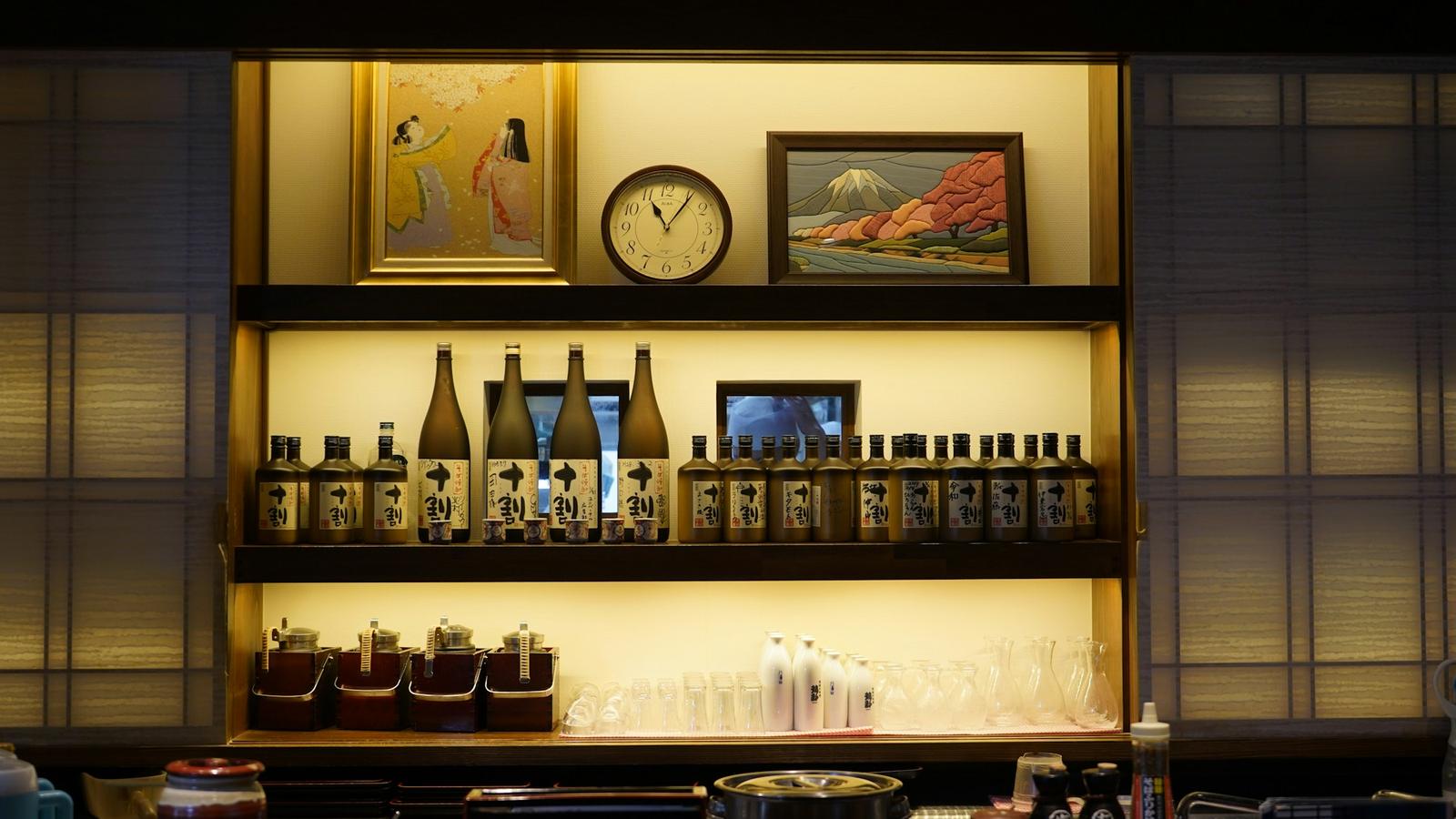
Japanese whisky became famous through scarcity, as the rest of the world learned how small production had always been. Sake has been admired in culinary circles for far longer. Both reward a visit to the place itself: the smell of the stillhouse, or of a brewery in season, and time to ask the people who make them why they work the way they do.
Some of these visits are open to anyone who plans ahead. Others depend on what a distillery or brewery offers in a given season. Either way they make for a different kind of trip, built around how something is made, and by whom.
Key points
- A standard tour moves a group along a prepared route and ends with a fixed set of expressions. Longer formats, where a distillery or brewery offers them, leave more room for questions.
- At Yamazaki, both paid tours are allocated partly by lottery about two months ahead, so the date needs to be fixed early in planning.
- Japan's craft whisky houses are still young: many have yet to release an aged expression, and the first single malts are only reaching the market now.
- Beginners get as much out of a smaller tasting as collectors, because the answers are pitched at the person asking.
JAPANESE WHISKY: THE ESTABLISHED DISTILLERIES
Suntory's Yamazaki Distillery, located in a narrow valley between Osaka and Kyoto where the Katsura, Uji, and Kizu rivers meet, was founded in 1923. It is Japan's oldest malt whisky distillery. The Yamazaki Whisky Museum can be visited free of charge with a reservation, and its tasting lounge pours Suntory whiskies alongside component malts that are only available at the distillery.
Suntory runs two paid tours. The MONOZUKURI tour walks through the production areas and ends with a tasting of Yamazaki, component malts and a highball. The Prestige Experience, at around two hours, also goes into manufacturing areas the standard route does not cover, with time to watch the craftspeople at work, and in Suntory's description its tasting includes Yamazaki 12 Years Old. Seats for both are allocated partly by lottery about two months ahead: for February 2027 tours, entries run from December 2 to 6, 2026, with results on December 11. Both tours are for guests aged 20 and over.
Nikka's Yoichi Distillery in Hokkaido sits at the other end of the range. Masataka Taketsuru studied distilling in Scotland and came home to make a whisky shaped by Hokkaido's cold maritime climate; Yoichi is heavily peated, where Yamazaki is delicate. There is a museum on site covering Taketsuru's life and the early years of Japanese whisky, and the setting, between the Japan Sea coast and wooded hills, is part of why people go.
THE CRAFT DISTILLERY SCENE
Between 2015 and 2026, Japan built a craft whisky sector that barely existed before. Yamazaki and Yoichi produce at scale; the newcomers are small, and most are still learning what their own water, climate and casks do to a spirit. Many have yet to release an aged expression. The first single malts are only reaching the market now, which is the argument for going while these houses are still young.
Maritime peat, heavily influenced by Scottish tradition but shaped by Hokkaido's coastal climate. Limited production, growing international reputation.
Southern Japan, tropical-climate aging. Established 2017 by the Komasa Jozo shochu house. A house style still being formed, which is rare to catch in whisky.
High-altitude aging in Nagano. Focused on the effect of altitude and temperature variation on barrel maturation.
Set at 798m in the Central Alps. One of the country's older craft producers, revived in 2011. Known for Iwai expression and the effect of mountain air on aging.
Visiting arrangements at these distilleries differ: some run regular tours, some open on set days or by advance request, and some do not take visitors at all. Where a visit is possible, it is a chance to talk with the people making the spirit while the house style is still taking shape.
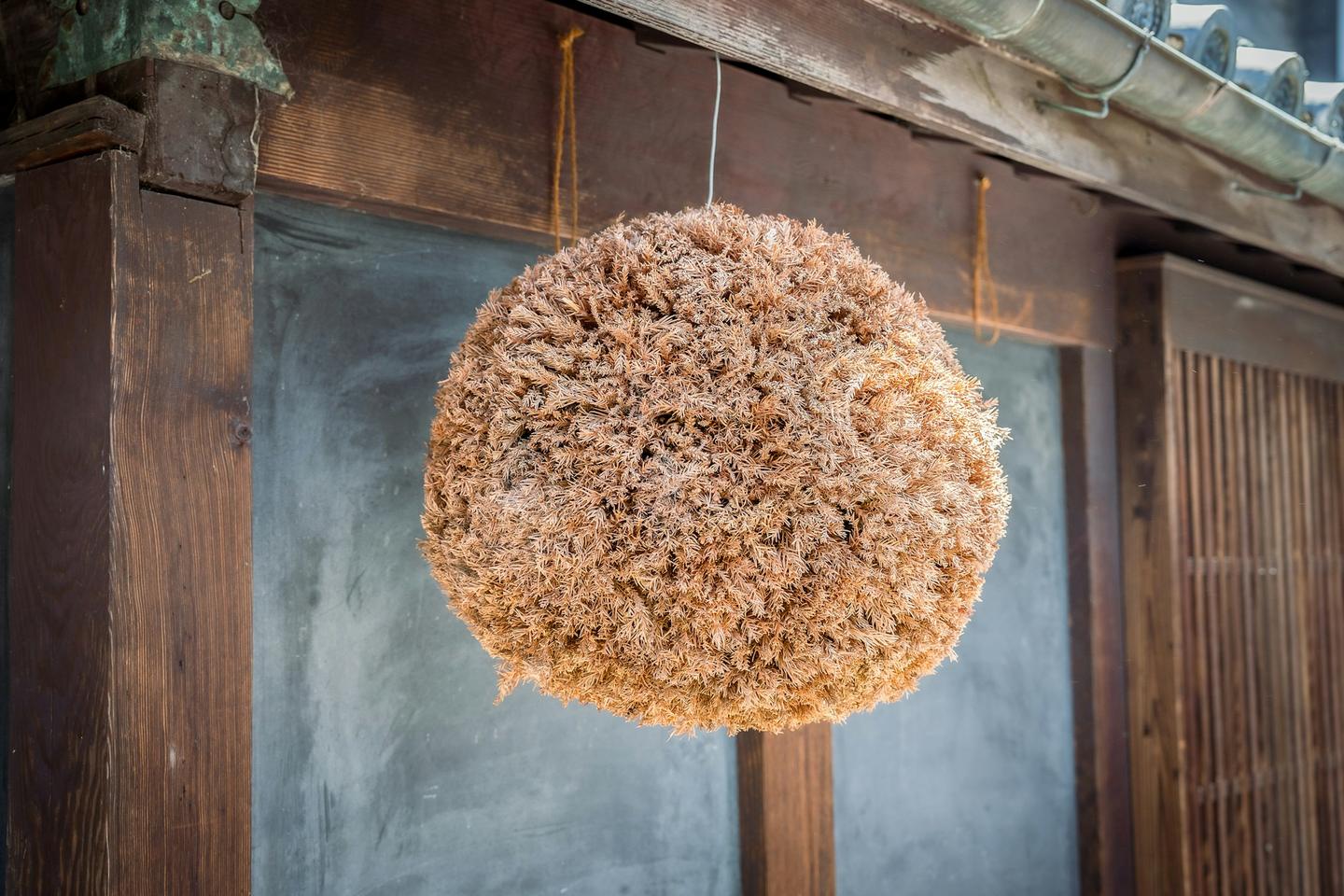
SAKE: THE KYOTO BREWERY EXPERIENCE
Sake has a longer history in Japan than any spirit: production records go back more than a thousand years. The Fushimi district in southern Kyoto, known for its soft spring water, is one of the country's most concentrated sake-producing areas, with many active breweries packed into a small area.
The standard Fushimi visit is a self-guided walk past the brewery buildings and a tasting in one of the retail shops. Some breweries also accept visits by advance request, and in the brewing season a visit may go further into the brewery, where the decisions that set the flavor are made. What is shown, and who leads it, is each brewery's decision and changes with the season.
Ask about the season's sake as well as the labels you already know: what is poured depends on what the brewery has open that week. At its best it is a conversation between people who are interested in the same thing.
Yamazaki's tours and tastings are for guests aged 20 and over, and tasting is not offered to anyone driving that day.
STANDARD TOURS AND LONGER VISITS
A standard tour moves a group along a prepared route and ends with a fixed set of expressions in the visitor center. It is built for general interest and runs to a set time, which suits a first visit well.
A longer or smaller visit, where a distillery or brewery offers one, leaves more room to follow your own interest: more time in the production areas, and pours chosen around what you want to understand.
Beginners get as much out of it as collectors, for the same reason: the answers are pitched at the person asking. There is no wrong question when the person answering is the one who made the decision.
HOW STAYGO APPROACHES THESE EXPERIENCES
STAYGO plans these visits around what each house offers: the Yamazaki tours when the lottery dates fit your journey, and visits requested in advance at craft distilleries and at sake breweries in Kyoto and Nada (Kobe), subject to each one's schedule. They usually sit inside a larger itinerary as a half day: an afternoon in Fushimi before dinner in Kyoto, or a full day in Hokkaido that pairs Yoichi with the coast north of Otaru.
The thread can be carried through to dinner. STAYGO arranges the table as well: sake with kaiseki, or whisky with a private chef, so what you tasted in the afternoon turns up again in the evening.
SOURCES AND HOW WE CHECKED
The founding years and the altitude on this page come from desk research. We read the distillery pages of the Japanese Whisky Information Center on October 5, 2026, and did not contact the distilleries. Figures we could not trace to a source have been taken out of this page. On November 3, 2026, we checked the Yamazaki tours, tasting lounge and lottery dates on Suntory's own pages.
- Japanese Whisky Information Center, Yamazaki Distillery: construction began in 1923, the year given as its founding
- Japanese Whisky Information Center, Kanosuke Distillery: whisky distilling began in 2017, owned by Komasa Jozo
- Japanese Whisky Information Center, Mars Komagatake Distillery (formerly Mars Shinshu): altitude of 798m, distilling resumed in 2011
- Suntory, Yamazaki Distillery reopening and new tours (October 10, 2023): what the MONOZUKURI tour and the Prestige Experience cover and pour, the tasting lounge, age 20 and over
- Suntory Yamazaki Distillery, how to make a reservation: paid tours partly by lottery; entries for February 2027 from December 2 to 6, 2026; museum visit free, first come
QUESTIONS, ANSWERED
Can I visit the Suntory Yamazaki Distillery as a tourist?
Yes. Suntory Yamazaki Distillery, between Osaka and Kyoto, runs two paid tours, the MONOZUKURI tour and a longer Prestige Experience, with seats allocated partly by lottery about two months ahead. The Yamazaki Whisky Museum can be visited free of charge with a reservation. Tours and tastings are for guests aged 20 and over.
Which craft whisky distilleries in Japan are worth knowing?
Beyond Yamazaki and Yoichi, Japan's craft distillery scene has expanded significantly. Notable smaller producers include Akkeshi Distillery in Hokkaido (peat-forward, maritime-influenced), Kanosuke Distillery in Kagoshima (tropical-climate aging), and Komoro Distillery in Nagano (high-altitude aging). Mars Komagatake (formerly Mars Shinshu) in the Japanese Alps and Chichibu in Saitama are also well-regarded. Visiting arrangements differ from one distillery to the next, from regular tours to set days only, so it is worth checking each before building a route around it.
Where can I visit a sake brewery in Japan?
Fushimi in southern Kyoto and Nada in Kobe are the best-known sake districts within easy reach of a Kansai itinerary. Fushimi has many active breweries in a small area, with museums and tasting rooms open to visitors. Some breweries also accept visits by advance request; what these include, and whether they run in a given week, depends on the brewery and the brewing season.
What is the difference between a distillery tour and a longer tasting visit?
A standard distillery tour covers the production process with a group and ends with a fixed tasting. A longer or smaller-format visit, where one is offered, usually allows more time in the production areas and more room for questions. At Yamazaki, the Prestige Experience runs longer than the standard tour, goes into areas the standard route does not cover, and its tasting includes Yamazaki 12 Years Old.
How does STAYGO arrange whisky and sake experiences in Japan?
STAYGO plans these visits around what each distillery and brewery offers, from the Yamazaki tours to visits requested in advance at craft distilleries and sake breweries, subject to each one's schedule. They are incorporated into broader trip itineraries, typically as a half-day element alongside other cultural or dining experiences.
JAPAN BEYOND THE RESTAURANTS
STAYGO arranges distillery visits, brewery tastings, and the dinners that follow them, around what you actually want to drink.
Begin planningWe reply within 24 hours, in writing
Some of the restaurants and bars we arrange seat guests only by introduction or membership. We ask on your behalf; the table and the evening are the house's decision. We do not publish their names.