Japan is an easy country to plan on your own. Hotels, bullet train seats and airport transfers can all be arranged online in a few minutes. Then there is the rest: the dinner at a ryotei that appears on no platform, the garden seen at dawn before the gates open, the lacquerware master who will show you what forty years of practice looks like.
Many of these places predate the consumer internet. Some take applications on their own terms, some take new guests mainly through introductions, and some decide case by case.
WHAT FACES THE PUBLIC AND WHAT DOES NOT
Japanese hospitality has always kept a line between what faces the public and what sits behind it. Restaurants that appear on Google Maps and restaurants that do not. Temples with posted visiting hours and temples you enter only by arrangement. The line follows what the experience needs: some rooms only work when there are no strangers in them.
If you have already seen Tokyo and Kyoto at the usual level, the second layer is what a return trip is for, or a first trip planned properly from the start. It does not necessarily cost more than the visible layer.
FOUR CATEGORIES OF PRIVATE ACCESS
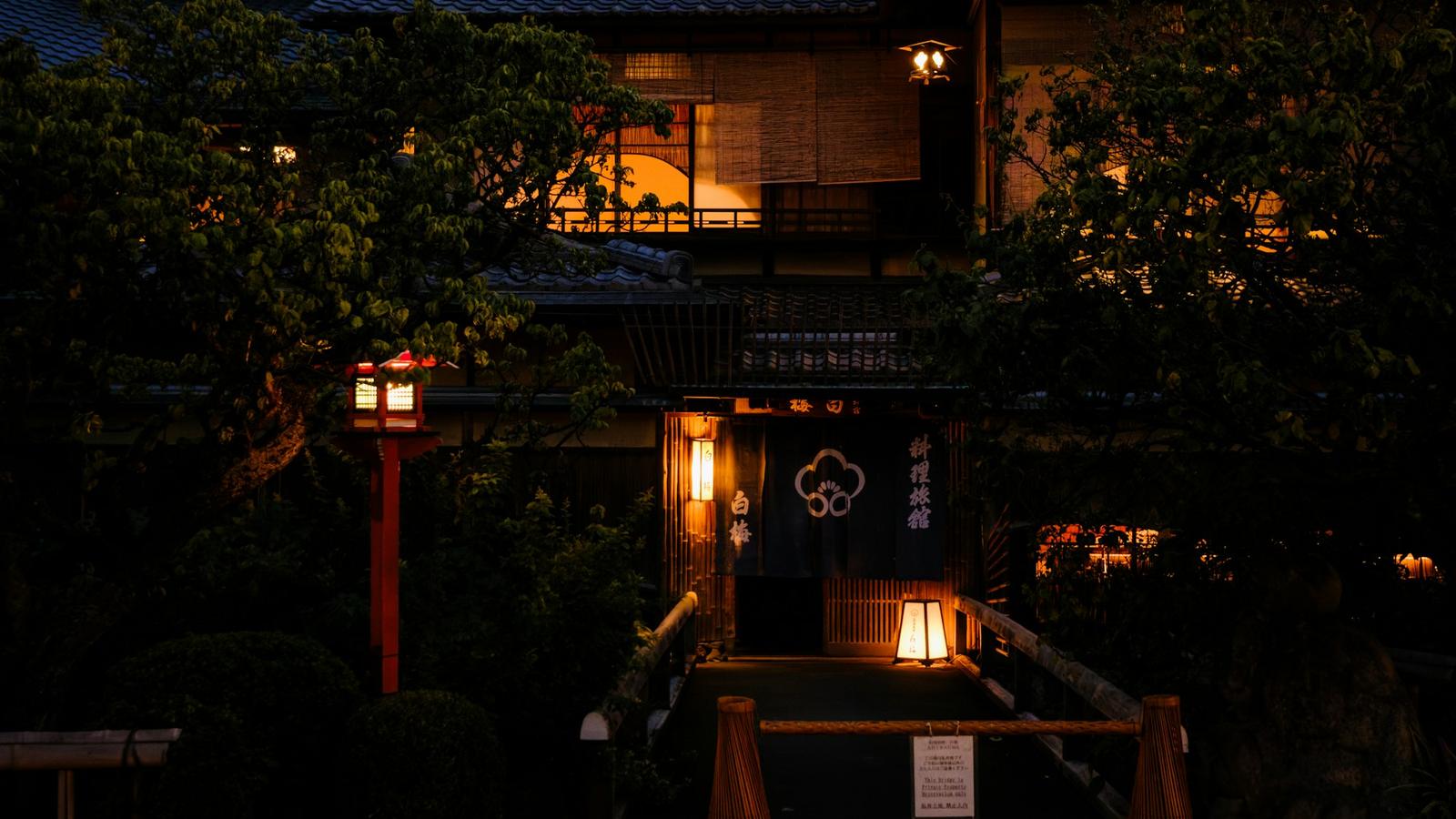
Ryotei are Japan's traditional private dining houses, where one set seasonal menu is served in a private tatami room. How they treat a new guest varies by house. Some of the old names take reservations in the ordinary way: Hyotei in Kyoto, which traces its history back more than 400 years to a teahouse outside the Nanzenji gate, lists a phone number and online booking through TableCheck and Pocket Concierge. On October 28, 2026 its two kaiseki courses on TableCheck were ¥44,275 and ¥50,600 with tax and service, for parties of two or more, children from age 12, and guests are asked not to arrive in casual clothes, sandals or bare feet. Many other houses, and the ochaya of Kyoto's geisha districts, still take a new guest only through someone they already know, the custom called ichigen-san okotowari. One reason the ochaya give is practical: some are also the homes of young maiko. For those houses, a new guest usually comes through an existing client or a hotel concierge who already knows the house. We can ask on your behalf, and whether a house can receive you depends on its calendar that day and its own judgment.
Often by introduction · Some houses book onlineSome of Kyoto's quietest places are open to anyone who applies on their terms. Saihoji, the moss temple, has admitted visitors only in small numbers and by reservation since 1977. The basic visit lasts about an hour, starts with copying a sutra in the main hall, and is reserved on the temple's own site at least a day ahead. Katsura Imperial Villa works the same way under the Imperial Household Agency: staff-guided tours of up to 20 people, about 60 minutes, ¥1,000 from age 18, no one under 12, with online applications opening on the first day of the month three months ahead. Its rules do not accept applications made by proxy or by travel agents, so you apply in your own name and we plan the day around the slot you get. Private use is a separate matter. Nijo Castle opens sixteen spaces, from the Ninomaru Palace kitchen to the stone base of the keep, to companies and organizations for receptions and events, only through its registered coordinators, with a provisional request three to four months ahead. Smaller temples and private gardens that open early or late for a small group decide case by case, after advance contact, sometimes months ahead, through an intermediary they recognize.
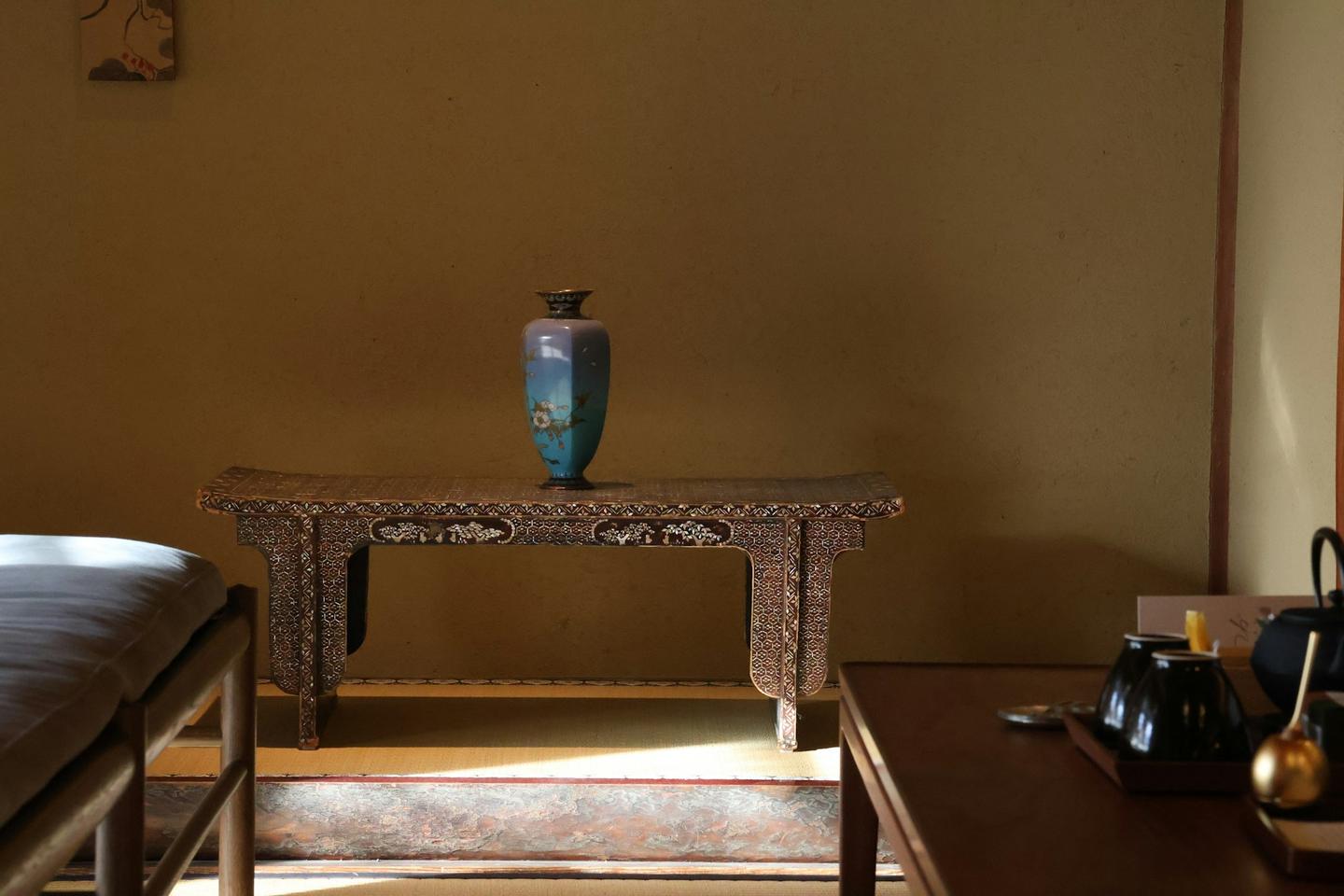
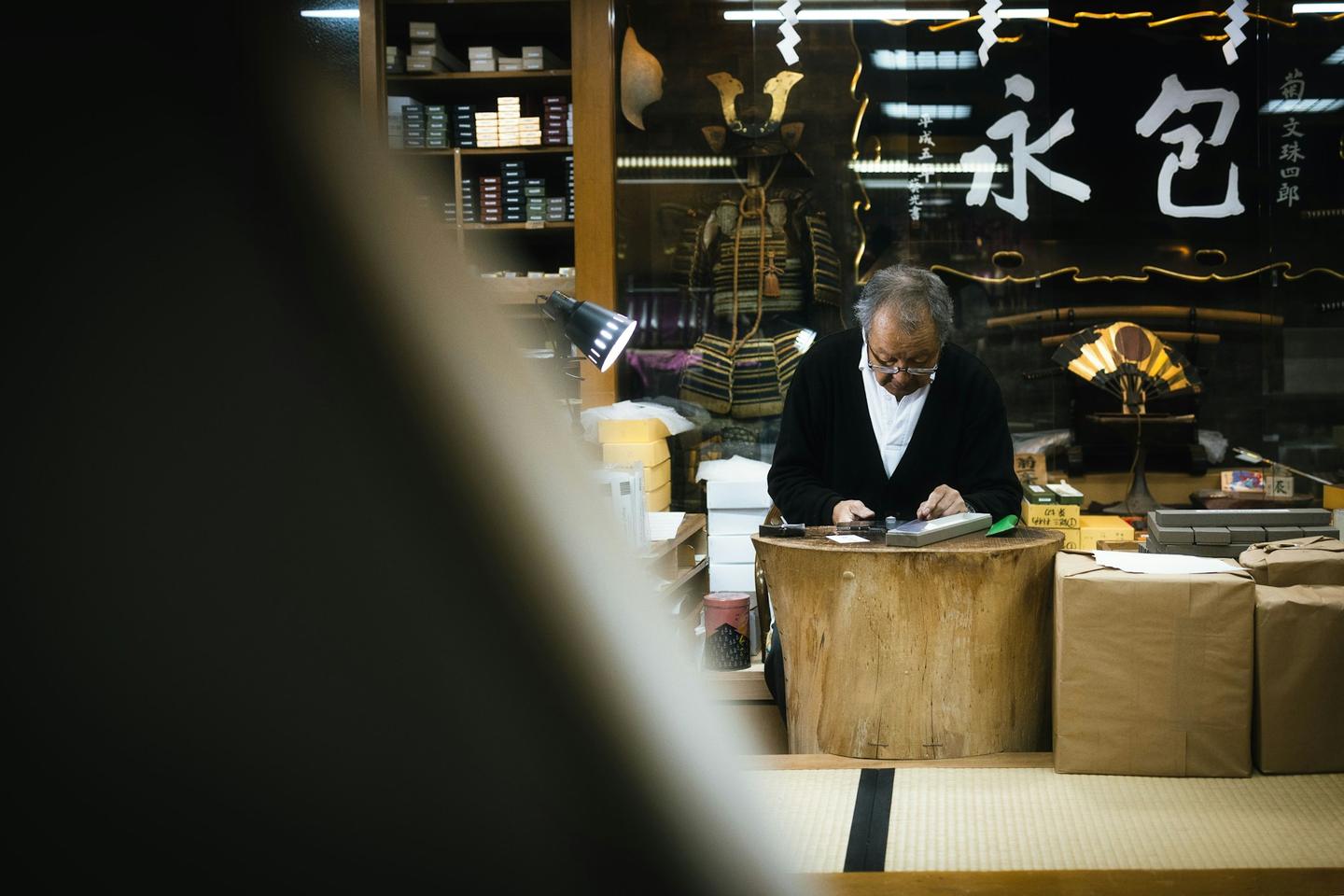
Advance arrangement required · Limited dates availableWajima lacquerware, Nishijin weaving, Kutani ceramics, Echizen washi papermaking, Bizen pottery: several of these crafts keep a door open to the public. At Echizen Washi no Sato in Fukui, the Udatsu craft house, a papermaker's home from the middle of the Edo period moved to the site, lets visitors watch the whole papermaking process, and in Kyoto the Nishijin weavers' association runs the Nishijin Textile Center, with exhibits and hands-on sessions. A master's own studio is a different place. It was never built for visitors, and when one of them agrees to receive a small group, nothing is staged for you. You watch the ordinary work of a practice that has often been refined by a single family over generations. Visits like this are requested through someone the studio knows, and whether the master can receive a group depends on the work in hand that season. In Wajima, plan with the 2024 Noto Peninsula earthquake in mind: the lacquer cooperative's Wajima Lacquerware Hall was still temporarily closed when we read its page on October 28, 2026, and the trade, whose pieces go through as many as 124 steps, is rebuilding.
Usually by introduction · Small groups (2–4 persons)Japan's major private museums, the Nezu Museum in Tokyo, the Miho Museum in Shiga, the MOA Museum of Art in Atami, hold collections that reward a quiet room. None of the three offers private viewings on its visitor pages; when a museum agrees to one, it decides case by case, through direct contact. You then walk the galleries with a curator or specialist guide and nobody else in the room. We can make that request for your journey, and whether a museum agrees is its decision alone. Plan around the public calendars first: the Nezu closes on Mondays and sells timed online tickets for its exhibitions, the Miho opens only during its spring, summer and autumn seasons and is about 50 minutes by bus from JR Ishiyama Station, and the MOA closes on Thursdays and shows Ogata Korin's national treasure, the Red and White Plum Blossoms screens, from January 9 to February 24, 2027.
Institutional arrangement required · Subject to availabilityWHY THESE CANNOT BE BOOKED ONLINE
Many of these places stay off the booking platforms on purpose. For some houses, choosing their guests is part of the hospitality; others, Hyotei among them, take reservations online and keep their standards through house rules on party size, age and dress. A temple garden is meant to be seen in silence.
A booking page carries only part of this. A page with a price and a button has no way to say whether a particular guest suits a particular room, and for houses that choose their guests, that judgment decides who comes in.
HOW WE APPROACH THESE PLACES
For each place we start with how it receives guests: an application in your own name, as at Katsura, a reservation on the temple's own site, as at Saihoji, or a request in Japanese to a house or studio that decides case by case. We explain what each place expects, from dress to arrival time, and we tell you early which requests may not be accepted.
For Signature and Bespoke journeys, this coordination is part of the planning, with no separate charge. What that work consists of, in detail.
SOURCES AND HOW WE CHECKED
We first wrote this page on June 6, 2026. On October 28, 2026 we read every page below and corrected what they did not support. We did not contact the restaurants, temples, the Imperial Household Agency, Nijo Castle, the museums or the craft associations for this article. Prices, opening seasons, application windows and closures change, so we check them again close to your dates when we arrange the trip.
- Hyotei, official site (Japanese): history from a teahouse outside the Nanzenji gate, phone and online booking routes, meals from two guests
- Nanzenji Hyotei, reservation page on TableCheck (Japanese): kaiseki prices with tax and service, party sizes, children from 12, dress and allergy notes
- GOOD LUCK TRIP, guide to the geiko and maiko culture of Kyoto's hanamachi (Japanese): ichigen-san okotowari and why some ochaya admit only guests introduced by someone they know
- Saihoji (Kokedera), official site: visits limited to small numbers by reservation since 1977, and the reason the temple gives
- Saihoji reservation site, Nichi-nichi Sanpai: sutra copying and garden walk, about 60 minutes, reservation at least one day ahead
- Imperial Household Agency, Katsura Imperial Villa application guidelines (PDF): guided tours of up to 20, about 60 minutes, ¥1,000 from 18, no visitors under 12, the application window, no applications by proxy or travel agents
- Nijo Castle, MICE plan, venues and how to apply (Japanese): use by companies and organizations from 7:30 to 22:00, the sixteen spaces, registered coordinators, three to four months of notice
- Nezu Museum, visitor information (Japanese): hours, Monday closing, timed online tickets and admission
- MIHO MUSEUM, visitor information (Japanese): spring, summer and autumn opening seasons, hours, admission, the bus from JR Ishiyama
- MOA Museum of Art, official site and 10th anniversary exhibition (Japanese): hours, Thursday closing, and the January 9 to February 24, 2027 showing of Ogata Korin’s Red and White Plum Blossoms
- Wajima Lacquerware Cooperative, Wajima-nuri portal (Japanese): the hall’s temporary closure after the 2024 Noto Peninsula earthquake, the 124 steps
- Echizen Washi no Sato (Japanese): the Udatsu craft house, where visitors watch the whole papermaking process
- Nishijin Textile Industry Association (Japanese): the Nishijin Textile Center and what it offers visitors
QUESTIONS, ANSWERED
What private experiences in Japan cannot be booked online or through apps?
Traditional ryotei (private dining establishments) that take new guests mainly through introductions, early or after-hours visits to museums and temples, visits to working artisan studios in fields such as lacquerware, ceramics and textile dyeing, and private Kyoto gardens are among the experiences that usually cannot be self-booked. Most are requested through someone the house or studio knows, and each place decides case by case.
How do you get a reservation at a traditional ryotei in Japan?
Practice varies by house. Some well-known ryotei, such as Hyotei in Kyoto, take reservations by phone and online through TableCheck and Pocket Concierge. Many others, and the ochaya of Kyoto's geisha districts, take a new guest only by referral from an existing client or through hotel concierges and travel specialists with a prior relationship with the house. We can ask on your behalf at houses that take new guests mainly through introductions; whether they can receive you depends on their calendar and their own judgment.
What is a private temple viewing experience in Japan?
Some Kyoto temples and gardens admit visitors only by advance application, and a few will open early or late for a small group. Saihoji, the moss temple, has taken visitors only by reservation since 1977, booked on its own website at least a day ahead. Katsura Imperial Villa is seen on staff-guided tours by application to the Imperial Household Agency, which does not accept applications from travel agents, so you apply in your own name. Early or after-hours access outside these public systems requires advance arrangement through a recognized intermediary.
Can I visit a traditional Japanese artisan workshop as a tourist?
Yes, at public craft centers such as the Nishijin Textile Center in Kyoto or Echizen Washi no Sato in Fukui, where you can watch papermaking from start to finish. Most masters' own studios, lacquerware in Wajima, Nishijin weaving in Kyoto, Kutani ceramics in Ishikawa, do not offer public tours, though some welcome visitors introduced by established contacts. We can request a studio visit where the artisan is willing to receive a small group, and the answer depends on the work in hand that season. What you see on such a visit is the studio's ordinary working day, with nothing staged for you.
Can STAYGO arrange experiences that are not on booking sites?
Often, by request. We write to ryotei, temples, studios and museums in Japanese, and each one decides according to its own calendar and rules. We tell you early which requests may not be accepted and suggest an alternative, with the reason it suits your journey. This coordination is part of both Signature and Bespoke.
WHEN A PLACE HAS NO BOOKING PAGE
Tell us your dates and what you have in mind. We will tell you what is realistically open to you, and what is not.
Get in touchWe reply within 24 hours, in writing
Some of the restaurants and bars we arrange seat guests only by introduction or membership. We ask on your behalf; the table and the evening are the house's decision. We do not publish their names.