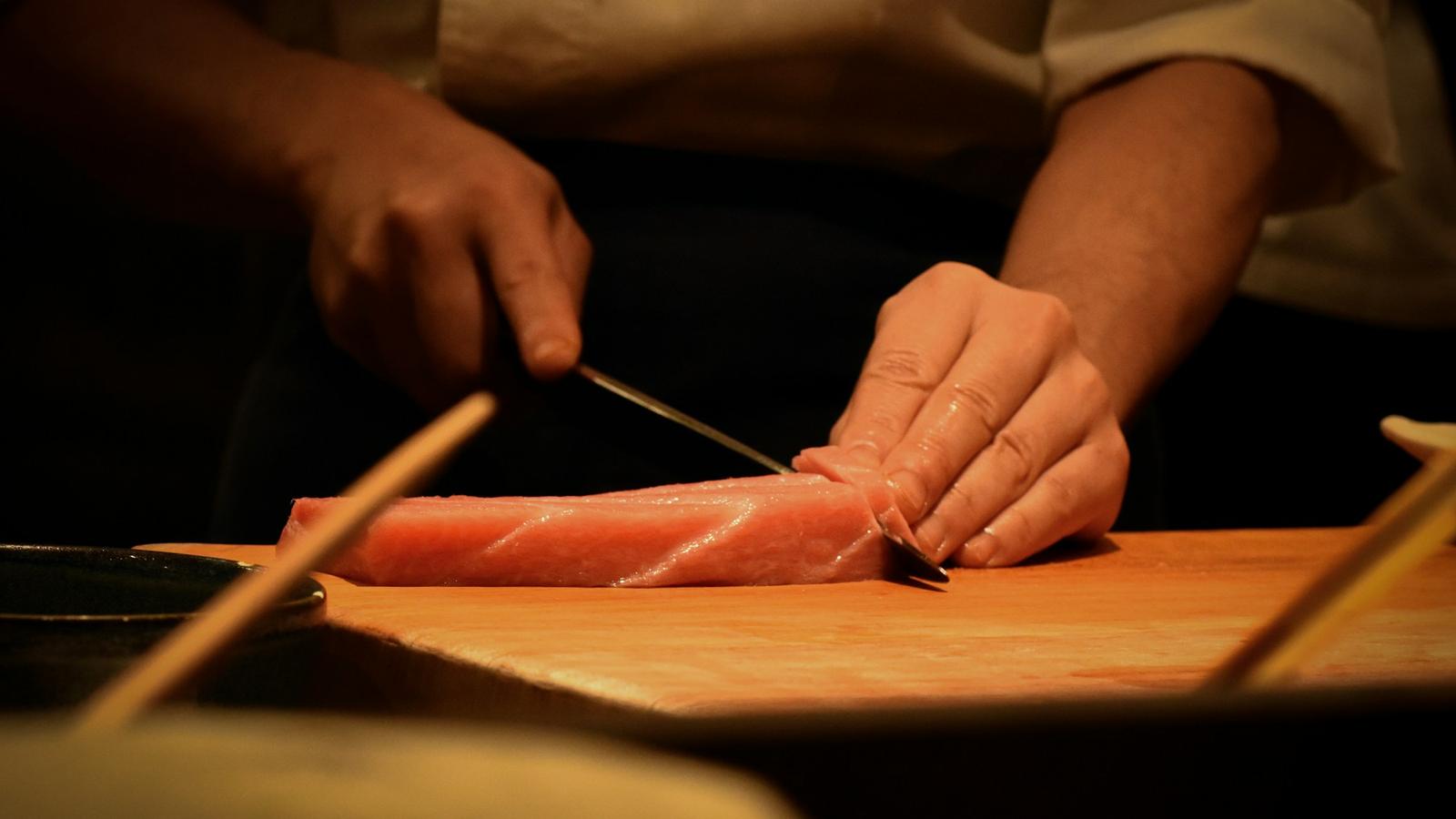
Japan has a great many fine restaurants, and the way each one takes bookings is not always easy to see from outside the country.
An omakase counter in Tokyo, a kaiseki dinner in Kyoto, and a private kappo dinner are not booked the same way. Which level of the system a restaurant sits in decides how you get in.
Key points
- Japan's restaurants run on three separate levels of access: bookable online, phone only in Japanese, and referral only. Each one is entered a different way.
- For restaurants bookable online, two to three months ahead is generally adequate. Cherry blossom season (late March to early April) and autumn foliage season (mid-October to late November) compress timelines further.
- For phone-only restaurants, who makes the call in Japanese matters more than how early. For referral-only counters, timing is largely irrelevant.
- After the booking, dietary restrictions, seating preferences and the occasion you are marking reach the restaurant only if someone puts them clearly in Japanese, in advance.
THE THREE TIERS
Japan's restaurants run on three separate levels of access, and each one is entered a different way.
WHAT THE APPS ACTUALLY COVER
Tableall and Omakase.in are legitimate and useful platforms. They give foreign visitors access to a list of quality Japanese restaurants with English support and international payment. For Tier 1 dining, they work well.
The limitation is that the restaurants listed on these platforms have specifically chosen to be accessible. By definition, they are not the restaurants operating under referral systems. The overlap between "bookable on Tableall" and "among Japan's most celebrated counters" is limited.
None of this is a criticism of the platforms; it follows from the system they work within. They provide access to a real and valuable tier of Japanese dining. But if your goal is to sit at the eight-seat counter of a chef who has been cooking the same cuisine for forty years, you are outside their scope.
Some of Japan's most decorated kitchens now send foreign guests to these platforms themselves. Kikunoi, whose Kyoto main restaurant is one of the city's six with three MICHELIN stars, asks guests from outside Japan to reserve online through its English page, which links to TableAll and MY CONCIERGE and takes payment in advance. Its Kyoto branch Roan is listed by phone on the Japanese page, but the English page for guests from abroad offers MY CONCIERGE and TableAll for Roan as well. Hyotei, another of the six, lists Pocket Concierge, TableCheck and Ikyu beside its phone number. Read the terms before you pay: TableAll charges a non-refundable booking fee of ¥8,000 per seat, and only about 20 percent of its bookings are instant, from seats it buys in advance. The rest are requests, which it usually answers within 24 hours.
Many hotel concierges use the same booking services you can use yourself. Beyond them, what helps most is a clear request made in Japanese.
THE HOTEL CONCIERGE QUESTION
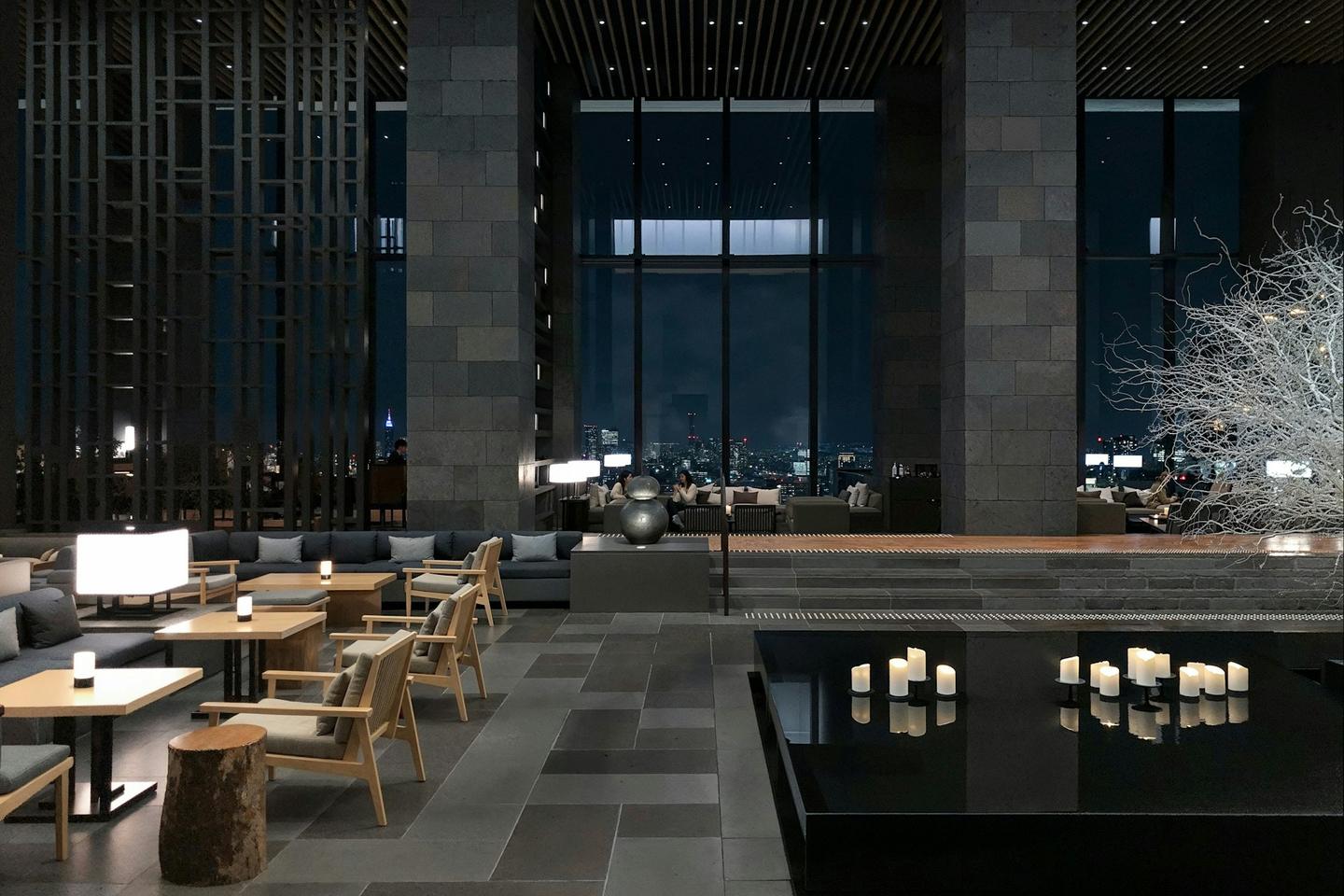
Hotel concierges at top properties in Tokyo and Kyoto are genuinely skilled at what they do. They can secure tables at excellent restaurants, often on short notice, through established relationships. For most travelers, that is enough.
It is worth knowing where that reach ends. A hotel concierge works most easily with the restaurants the hotel already knows well, and outside that circle has less to draw on. They are also working with the same Tableall and Omakase.in systems available to everyone else.
Even when a table can be found, which seating and which seat a first-time guest is offered remains the restaurant's decision, so it is worth knowing what is being offered before you accept.
Card concierges work a similar channel. In 2017 Diners Club began buying seats freed by last-minute cancellations at hard-to-book restaurants and offering them to its members, ITmedia reported.
TIMING: HOW FAR AHEAD IS FAR ENOUGH
For Tier 1 restaurants, two to three months ahead is generally adequate. Popular omakase counters in Tokyo and Osaka tend to open reservations two months out, and availability disappears quickly. Cherry blossom season (late March to early April) and autumn foliage season (mid-October to late November) compress timelines further.
For Tier 2, phone-only and Japanese-required, the timeline matters less than who makes the call on your behalf. A Japanese speaker contacting the restaurant three months ahead will usually do better than a non-Japanese speaker trying six months ahead.
For Tier 3, the referral-only counters, timing is largely irrelevant. These restaurants do not fill seats based on how early you contact them. They fill seats based on who contacts them.
The booking windows are published, and they are short. TableAll says some of its restaurants open bookings one month ahead and others three. Kagurazaka Ishikawa, a three-star counter in Tokyo, releases its seats in rounds on OMAKASE, the service the MICHELIN Guide links to for it. The next round is often shown as to be announced, as it was on November 18, 2026, and each account can book once every two months. The counter has seven seats.
WHAT YOU CAN DO BEFORE YOU ARRIVE
Check Tableall and Omakase.in early
Browse both platforms two to three months before your trip. Filter by cuisine and area. For most travelers, the meals they remember from Japan will come from this tier.
Know which restaurants you actually want
Make a short list of specific names first. Whether a restaurant appears on Tableall tells you what kind of access it will need.
For Tier 2: engage a Japanese-speaking specialist
If there are specific restaurants you want that don't appear on any booking platform, you need someone who can make a phone call in Japanese, and explain your request clearly. This is where a Japanese-speaking concierge helps most.
For Tier 3: understand what you're asking for
Referral-only counters take new guests mainly through people they already know. A request can be made on your behalf, but whether a seat is offered depends on availability for your dates and on the restaurant's own decision, and no one can promise it in advance.
The practice has a name: ichigen-san okotowari, no first-time guests. A concierge at a large Tokyo hotel told The Japan Times that a few sushi restaurants refuse ichigen-san, and that a first-time diner has to come in as the guest of a regular.
THE LANGUAGE BARRIER IS REAL
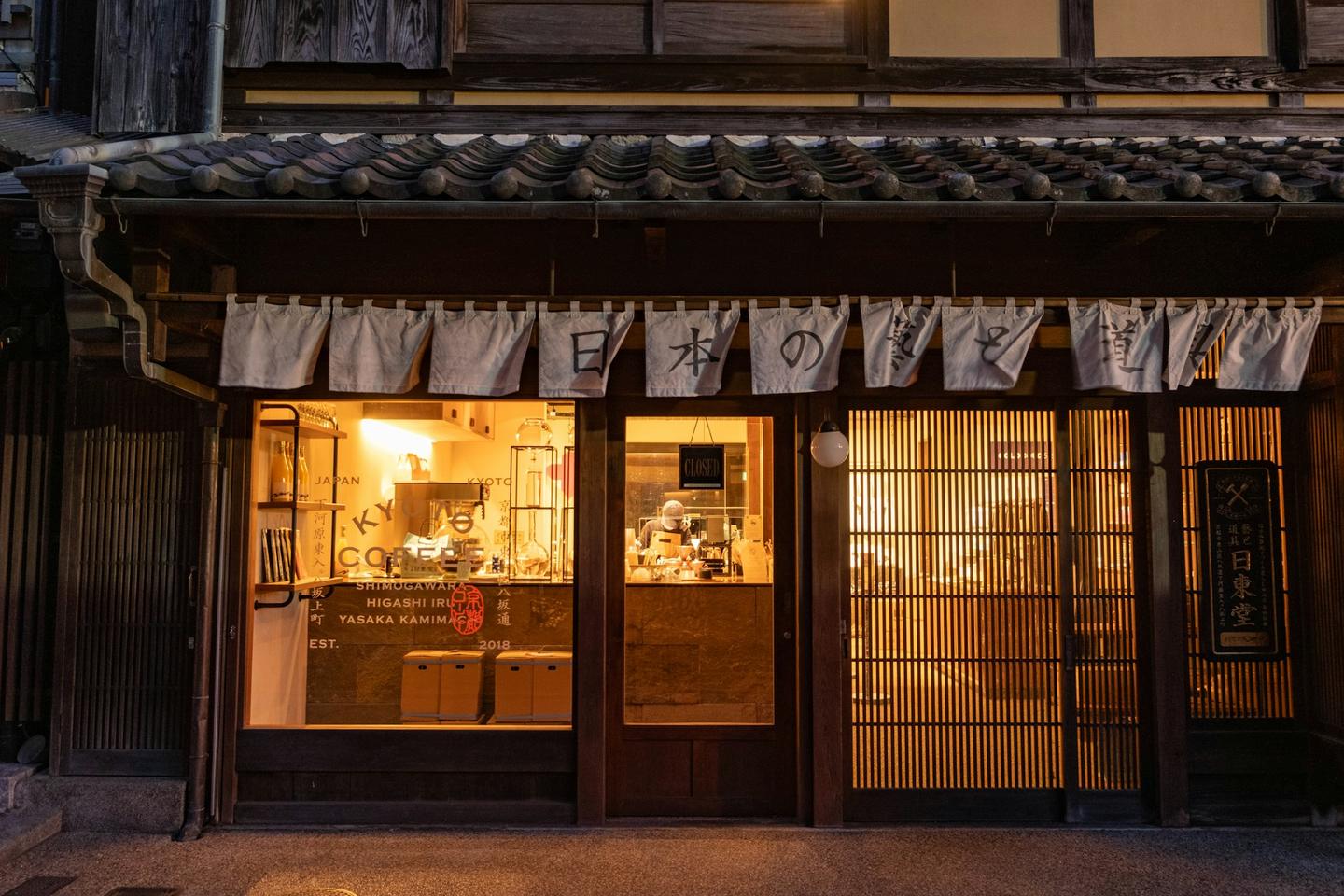
Even for restaurants that technically accept foreign guests, the reservation process in Japan is overwhelmingly conducted in Japanese. Emails sent in English often go unanswered, usually because no one at the restaurant has the capacity to respond in another language. Phone calls in English are occasionally accommodated, but with limited nuance and no guarantee.
Cancellations shape how some restaurants see foreign bookings. The same Japan Times report found sushi restaurants reluctant to take foreign guests after a history of last-minute cancellations, and some turning down foreign bookings when the book is nearly full.
This means that the practical universe of Japanese restaurants accessible to a non-Japanese speaker acting alone is significantly smaller than the full landscape of quality dining in Japan. A specialist, an in-country contact, or a concierge who speaks fluent Japanese widens it considerably.
It matters after the booking too. Dietary restrictions, seating preferences, the occasion you are marking: whether any of that reaches the restaurant depends on someone putting it clearly in Japanese, in advance. Whether a guide belongs at the counter is worth thinking about separately.
CANCELLATIONS AND MANNERS AT THE COUNTER
Cancellation charges start early, and the restaurants write them down. Hyotei charges 50 percent of the course three days before and 100 percent on the day or for a no-show; for six guests or more, 30 percent from seven days before. On OMAKASE, Kagurazaka Ishikawa charges 5 percent once the booking is made, 50 percent the day before and 100 percent on the day. TableAll refunds nothing within 48 hours of a Tokyo dinner for three or fewer, keeps its booking fee in every case, and says guests more than 30 minutes late may be refused without a refund.
Behind the charges is a national problem. A study group of the Ministry of Economy, Trade and Industry, lawyers and industry bodies set out a guide in 2018: the full price for a course booked in advance, and 50 to 70 percent of the average spend for a table booked without one, Travel Voice reported, adding that no-shows are said to cost restaurants about ¥200 billion a year. Citing the ministry's report in 2024, PRESIDENT Online put the loss at ¥1.6 trillion once cancellations made a day or two before are counted.
The same pages set out what is expected at the table. Pocket Concierge advises arriving about ten minutes early and notes that some restaurants turn away guests wearing strong perfume. Tabelog's etiquette guide asks diners to check with the staff before taking photographs and never to use the flash. Allergies go to the restaurant in advance, with their severity. OMAKASE's pages for Kagurazaka Ishikawa and Kohaku say they cannot take guests with a wide range of allergies, because the course uses so many ingredients, and TableAll asks diners to be precise, for example about whether "shellfish" includes squid and octopus.
SOURCES AND HOW WE CHECKED
We first wrote this guide on May 29, 2026 and read every page below on October 28, 2026. We did not contact the restaurants or the booking services. Booking windows, fees and cancellation terms change, and each restaurant sets its own, so we check them again for your dates when we arrange the meal.
- TableAll, FAQ: booking fee, instant and request bookings, booking windows, refunds, late arrival, dietary notes
- Kikunoi, English page: online booking for guests from abroad through TableAll and MY CONCIERGE, payment in advance
- Kikunoi, reservations (Japanese): reservations by each restaurant, Roan by phone only, guests from abroad online
- Hyotei (Japanese): phone hours and the online services listed
- Hyotei, cancellation policy (Japanese): charges for individuals, groups and no-shows
- OMAKASE, Kagurazaka Ishikawa: seats, reservation rounds, once every two months, cancellation, allergies
- OMAKASE, Kohaku: allergies
- MICHELIN Guide, Kyoto three-star restaurants: the six three-star restaurants, Hyotei and Kikunoi Honten among them
- MICHELIN Guide, Kagurazaka Ishikawa: the booking link to OMAKASE
- Pocket Concierge, Dining Etiquette in Japan: arrival time, late arrival, cancellation charges, perfume, allergies
- Tabelog, Japanese Culture and Etiquette Guide: arrival, photographs, flash, perfume
- The Japan Times, Sushi’s balancing act: Tradition versus adaption: ichigen-san, first-time diners as guests of regulars, sushi counters wary of foreign bookings after last-minute cancellations
- Travel Voice, no-show report (November 5, 2018) (Japanese): the METI study group, the guide for cancellation charges, about ¥200 billion a year
- PRESIDENT Online, Aoba Yamato on no-shows (July 14, 2024) (Japanese): ¥200 billion a year and ¥1.6 trillion including cancellations a day or two before
- ITmedia NEWS, Diners Club resells seats left by last-minute cancellations (August 24, 2017) (Japanese): the card concierge buying freed seats for its members
QUESTIONS, ANSWERED
How do you get a reservation at a top restaurant in Japan?
Japan's top restaurants operate on several access tiers. Many can be booked online: Kikunoi Honten and Hyotei, two of Kyoto's six three-star restaurants, take bookings through services such as TableAll, Pocket Concierge and TableCheck. Others take reservations only by phone in Japanese, and a small number of counters accept new guests only through an introduction from someone they already know.
How far in advance should I book a Michelin-starred restaurant in Japan?
Each restaurant sets its own window, and windows are short. TableAll says its restaurants open bookings one to three months ahead, and on OMAKASE the three-star Kagurazaka Ishikawa in Tokyo releases seats in rounds, with one booking per account every two months. Popular rounds fill quickly, so start two to three months before the trip.
What is an omakase restaurant and how do reservations work?
Omakase means the chef selects every dish based on seasonal ingredients. Counters seat 6-12 guests and run 2-3 hours, typically costing 30,000-80,000 yen per person. Bookings usually open one to three months ahead: some counters take them online in English through services such as OMAKASE and TableAll, others only by phone in Japanese.
Can a travel specialist get restaurant reservations I cannot make myself?
Often, yes. A Japanese speaker can call the restaurants that take bookings only by phone, and pass on dietary needs and the occasion in advance. At introduction-only counters, STAYGO can ask on your behalf; whether a seat is offered depends on availability for your dates and on the restaurant's decision.
What happens if I need to cancel or change a restaurant reservation in Japan?
Japan's top restaurants take cancellations seriously and publish their charges. Hyotei in Kyoto charges 50 percent of the course three days before and 100 percent on the day or for a no-show; Kagurazaka Ishikawa in Tokyo charges 5 percent once booked, 50 percent the day before and 100 percent on the day. If your plans change, let the restaurant, or whoever arranged the table, know as early as you can.
LET US ARRANGE YOUR TABLES
We choose restaurants that suit your dates, make the calls in Japanese, ask at introduction-only counters where it fits the trip, and pass on dietary needs and the occasion before you arrive. Every table depends on the restaurant's availability.
Start your tripWe reply within 24 hours, in writing
Some of the restaurants and bars we arrange seat guests only by introduction or membership. We ask on your behalf; the table and the evening are the house's decision. We do not publish their names.