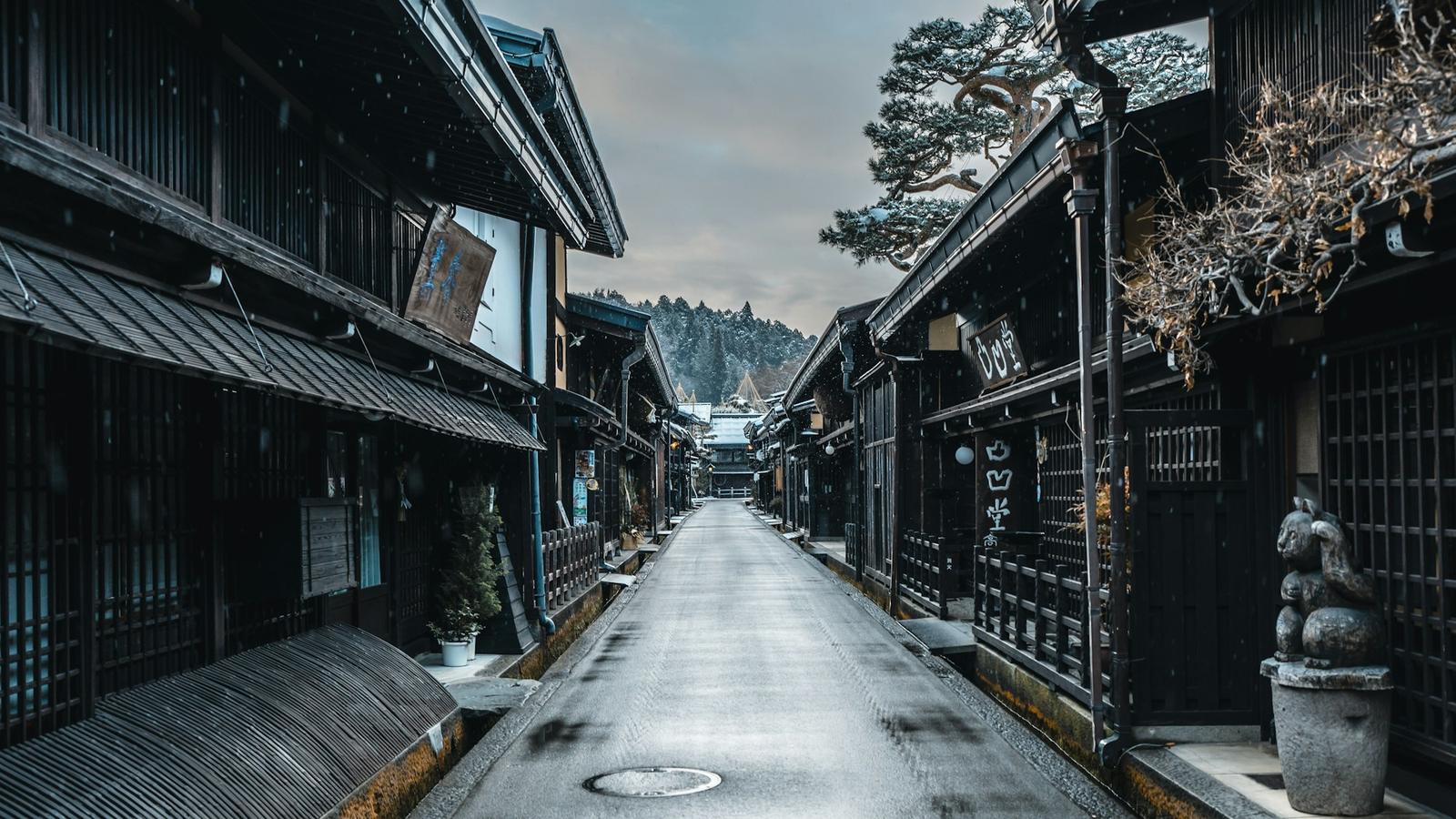
Japan received a record 42.7 million international visitors in 2025, up from 36.9 million the year before. JNTO's estimates for the first nine months of 2026 show 30.73 million, 2.9 percent fewer than in the same months of 2025. The majority passed through the same four cities, walked the same streets, and queued for the same photographs. The country has never been more popular, and at its famous destinations, never more difficult to experience well.
For travelers returning to Japan, a useful question now is where to go instead of Kyoto or Tokyo, and at what hour.
Key points
- Japan received a record 42.7 million international visitors in 2025 (36.9 million in 2024), on JNTO's figures, and most of them passed through the same four cities.
- The regions this piece points to instead are Nikko, the outer Okinawan islands, the Noto Peninsula and the Sanin Coast, where visitor numbers are a fraction of Kyoto's.
- In JNTO's monthly figures for 2025, February (3,258,491) and September (3,267,228) were the only months with fewer than 3.3 million international arrivals; April and October each came close to 3.9 million.
THE OVERTOURISM REALITY
Kyoto's famous districts now run on rules written for crowds. Since April 2024, Gion's district council has asked visitors to stay out of its narrow private lanes; Hanamikoji Street, which is public, stays open. In June 2024 the city added a ¥500 sightseeing express bus to Kiyomizu-dera, Gion and Ginkaku-ji, about 2.2 times the ordinary fare, to ease the regular routes. Nishiki Market, 390 metres of stalls, asks visitors not to eat while walking. In its best-known districts, a visit now means planning around the crowd.
Staying in the city now costs more as well. From March 1, 2026, Kyoto's accommodation tax is ¥10,000 per person per night where the room rate is ¥100,000 or more per person, and ¥4,000 from ¥50,000, counted on the room and service charge before meals and consumption tax.
Tokyo is different in character but comparable in density. Shibuya Crossing has viewing platforms designed for crowds to watch crowds. Tsukiji outer market is crowded with visitors for much of the day. The best of the city remains, but reaching it at a calm hour takes local knowledge and careful timing.
WHERE SEASONED TRAVELLERS GO IN 2026
The places in this piece share a common profile: a culture that is still practised in daily life, houses of fifteen to thirty rooms, landscape that does the work without a viewing platform, and no tour buses in the car park.
Within easy reach of Tokyo by limited express, Nikko holds shrines and temples of remarkable ornamental detail, with Toshogu on the UNESCO World Heritage list since 1999, mountain valleys lined with cryptomeria cedar, and highly regarded traditional inns. The Kinu Onsen area offers ryokans with private baths. For travelers leaving Tokyo who want cultural depth without the density, Nikko is a natural first step, about two hours away by limited express.
Timing does most of the work here. Rinnoji opens at 8:00 and Toshogu at 9:00; both close at 17:00 from April to October and at 16:00 from November to March, with the last tickets 30 minutes before closing. Toshogu admission is ¥1,600 for adults. Begin at Rinnoji as it opens and you reach Toshogu at the start of its day, while the precincts are at their quietest.
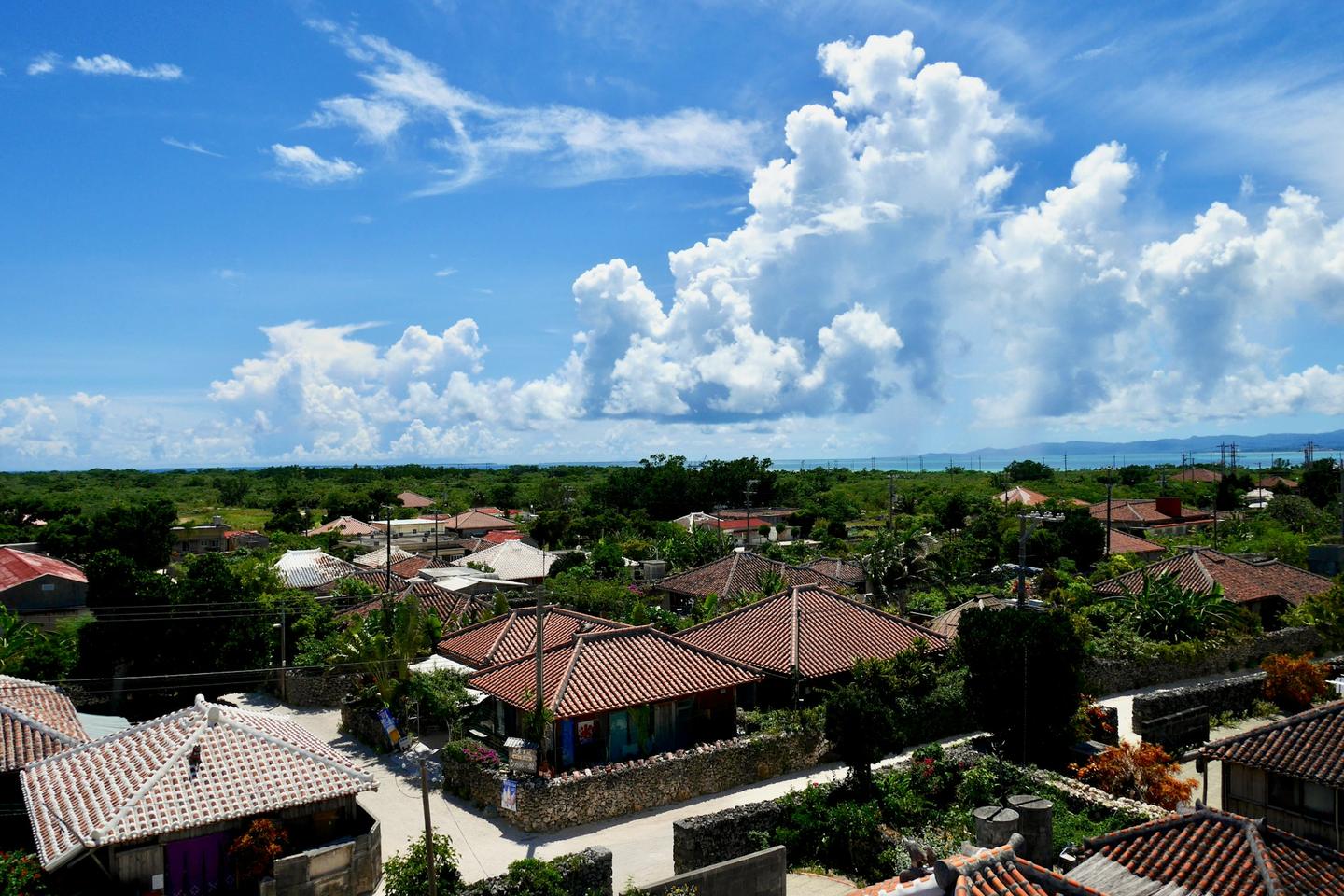
Beyond the main island, which has its own tourism saturation in parts, lies an archipelago of smaller islands that see far fewer international visitors. Iriomote, Taketomi and the rest of the Yaeyama chain offer reef ecosystems, Ryukyu cultural traditions and small, quiet places to stay. The islands protect that quiet by rule. Since March 1, 2025, five areas of Iriomote's interior, including Pinaisara Falls and Mt. Furumi, can be entered only with prior approval from Taketomi Town, each under its own daily cap, and Taketomi Island asks each visitor for a ¥300 entry fee that funds conservation.
Noto is still recovering from the January 2024 earthquake and the floods that followed later that year, and the picture is uneven. At Wakura Onsen, 11 of the 19 inns in the local ryokan cooperative had reopened to overnight guests by September 2026. In Wajima the morning-market street is still cleared ground; the first new building there broke ground in June 2026, and the regional tourism association expects the market to resume in 2027. At the Senmaida terraced paddies, about 480 of the 1,004 terraces were planted in 2026. The Wajima lacquerware tradition and the rugged Sea of Japan coastline are still the reasons to come. STAYGO arranges stays only at inns we have confirmed are open and provides current access conditions as part of trip planning.
One of Japan's quieter coastlines runs along the Sea of Japan from Kyoto Prefecture to Shimane. Izumo Taisha, one of Japan's most sacred shrines, opens its grounds from 6:00 to 19:00, so an early visit is easy to arrange; the area behind the main sanctuary closes at 16:30. The Tottori Sand Dunes add a landscape of a very different kind. Sanin cooking is built on crab and the catch of the Sea of Japan.
WHY PRIVACY HAS BECOME A LUXURY
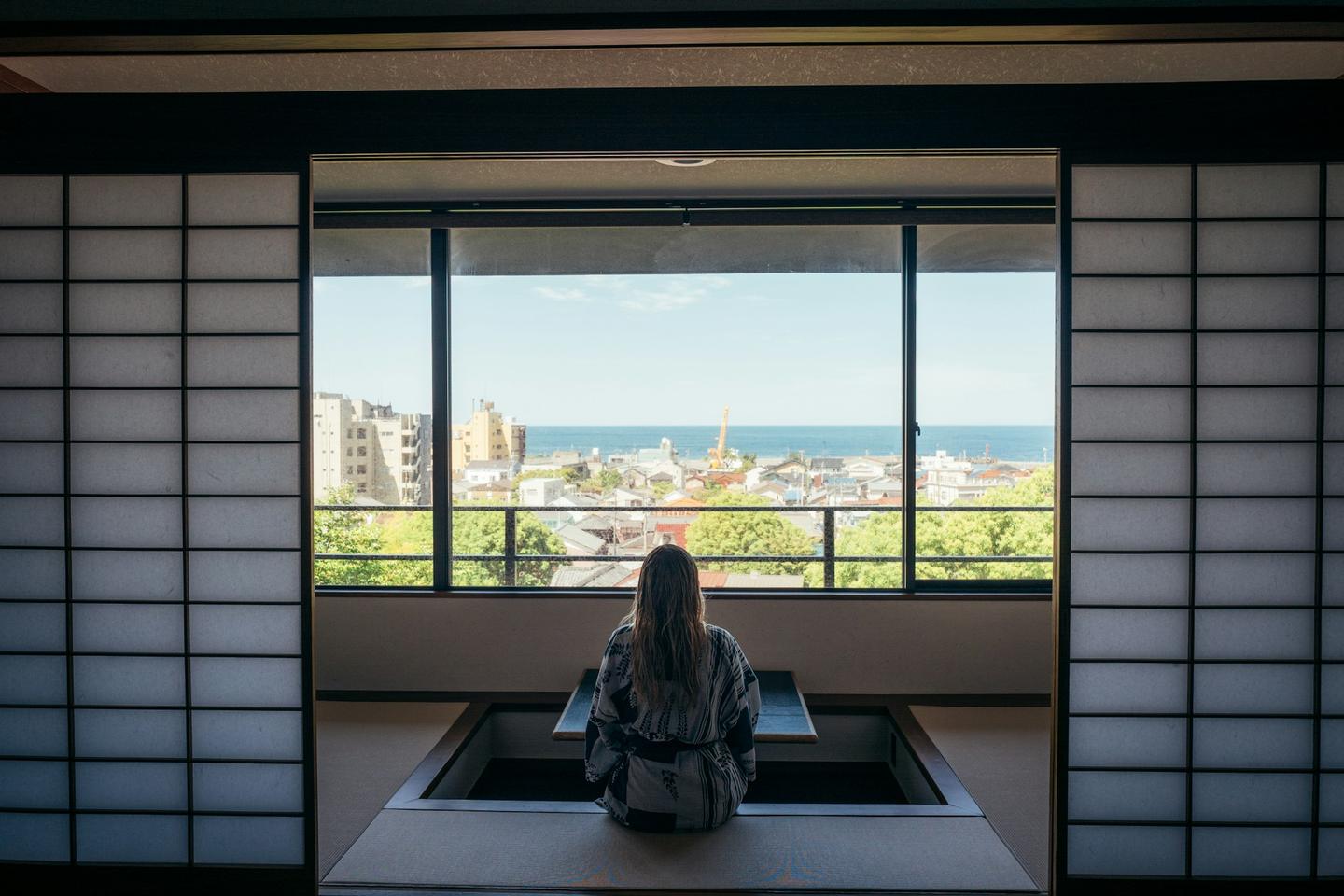
Seeing a place with few other people around has become one of the rarer things in travel. Without a crowd, a garden or a shrine can be taken in at its own pace.
The regions above offer more of it. A private onsen bath above a cedar valley, with no other guests within earshot. A shrine precinct at opening time, before the day's visitors arrive. A dinner at a small counter in a fishing town, a few feet from the chef. These moments take planning and local knowledge, and they are easier to find away from the places everyone else is going.
Early hours do much of the work: Izumo Taisha opens its grounds at 6:00, and Rinnoji at 8:00, an hour before Toshogu.
HOW WE PLAN A QUIETER TRIP
In these regions, the ryokans, the dinners and the cultural experiences are often as fine as those in Kyoto or Tokyo, and far fewer people share them. Many inns have fifteen to thirty rooms and little information in English, so choosing among them takes some local knowledge.
When privacy matters most, we plan the days around it: early starts at the busiest sites, the longer stays in quieter regions, and dates away from the peak months where your plans allow, with the reason for each choice.
SOURCES AND HOW WE CHECKED
We read the pages below on October 28, 2026, and did not contact any of the organisations. An earlier version of this article used JNTO's estimate for 2024 (36,869,900), read on October 5, 2026; the figures now come from JNTO's release of January 21, 2026, which gives 42,683,600 for 2025 and 36,870,148 for 2024. Recovery in Noto changes month by month, so we check each inn and road again when we arrange a stay.
- Japan National Tourism Organization (JNTO), visitor arrivals for December 2025 and the full year (press release of January 21, 2026, in Japanese): the 2025 and 2024 annual totals
- JNTO, visitor arrivals for December 2024 and the full year (press release of January 15, 2025, in Japanese): the first estimate for 2024
- JNTO, visitor arrivals for December 2025 and the full year, full release with the monthly table (PDF, January 21, 2026, in Japanese): the monthly arrivals for 2024 and 2025
- Travel Voice, International arrivals in Japan exceeded 42 million in 2025, 10 million more than 2019: the 15.8% rise and the comparison with 2019
- AFP (AFPBB News), Tourists banned from private alleys in Kyoto's geisha district (March 8, 2024): the request to stay out of Gion's private lanes, and Hanamikoji staying open
- Norimono News, Kyoto City Bus timetable overhaul and the new sightseeing express (March 26, 2024, in Japanese): the sightseeing express bus (EX100, EX101), ¥500 for adults, from June 1, 2024
- Kyoto City, accommodation tax (in Japanese): the tax bands from March 1, 2026
- Nishiki Market, official site: the 390-metre length and the request not to eat while walking
- Nikko Toshogu, official site: World Heritage listing in 1999
- Nikko Toshogu, hours and admission (in Japanese): opening hours and admission
- Nikkozan Rinnoji, visiting information (in Japanese): opening hours
- Taketomi Town, entry approval for Iriomote's restricted nature areas (in Japanese): the five restricted areas, prior approval and daily caps, from March 1, 2025
- Taketomi Island Regional Natural Heritage Foundation, island entry fee (in Japanese): the ¥300 entry fee and what it funds
- Wakura Onsen Tourism Association, Wakura Onsen Ryokan Cooperative and JR West, news release of September 16, 2026 (PDF, in Japanese): 11 of 19 inns reopened at Wakura Onsen
- Kyodo News via Kumamoto Nichinichi Shimbun, first rebuilding on the Wajima morning-market site (June 27, 2026, in Japanese): the state of the market street and the first groundbreaking since the quake
- Kyodo News via Kumamoto Nichinichi Shimbun, rice harvest at the damaged Senmaida terraces (September 12, 2026, in Japanese): about 480 of 1,004 terraces planted
- TTG Asia, Noto Peninsula tourism rebuild gathers pace (July 28, 2026): the market expected to resume in 2027
- Izumo Taisha, visiting hours (in Japanese): grounds hours and the closing time behind the main sanctuary
QUESTIONS, ANSWERED
Which regions of Japan are good for avoiding crowds in 2026?
For a quieter trip in 2026, this piece points to Nikko (Tochigi Prefecture), the Sanin Coast (Tottori and Shimane), Noto Peninsula (Ishikawa), and the Okinawan island chain. These regions offer highly regarded ryokans, striking landscapes, and a fraction of the visitor density found in Tokyo or Kyoto.
Is Nikko a good alternative to Kyoto for luxury travelers?
Nikko offers comparable cultural depth to Kyoto, ornate Edo-period shrines, UNESCO World Heritage sites, mountain onsen, and well-regarded traditional inns, with a fraction of the crowds. It is reached from Tokyo by train and suits travelers who want the cultural depth of Kyoto without its visitor density.
Can visitors see places in Japan that are usually closed?
Some, when the owners open them. Many temples hold special openings of their halls and gardens in spring and autumn, and the Imperial villas in Kyoto, such as Katsura, can be visited on guided tours by application to the Imperial Household Agency, which visitors make themselves. On Iriomote, the restricted nature areas need prior approval from Taketomi Town. We plan the days around these official openings and the dates they are announced.
Is the Noto Peninsula safe to visit after the 2024 earthquake?
Recovery from the January 2024 earthquake is real but uneven. By September 2026, 11 of the 19 inns in the Wakura Onsen ryokan cooperative had reopened to overnight guests, while Wajima's morning-market street is still being rebuilt. The coastline and craft traditions are still the reasons to come. STAYGO arranges stays only at inns confirmed to be open and provides current access information as part of trip planning.
Which months bring fewer international visitors to Japan?
JNTO's monthly arrival figures point to February and September. In 2025 those were the only months with fewer than 3.3 million international arrivals (3,258,491 and 3,267,228), while April and October each came close to 3.9 million. In 2024, January, February and September were the three months under 2.9 million. These figures count arrivals into Japan. They do not measure the crowd at any one temple, and they leave out travelers from within Japan.
A QUIETER JAPAN, PLANNED AROUND YOUR DATES
Tell us your dates and what matters most to you. We will suggest the regions and the hours that suit them, with a reason for each.
Enquire nowWe reply within 24 hours, in writing
Some of the restaurants and bars we arrange seat guests only by introduction or membership. We ask on your behalf; the table and the evening are the house's decision. We do not publish their names.