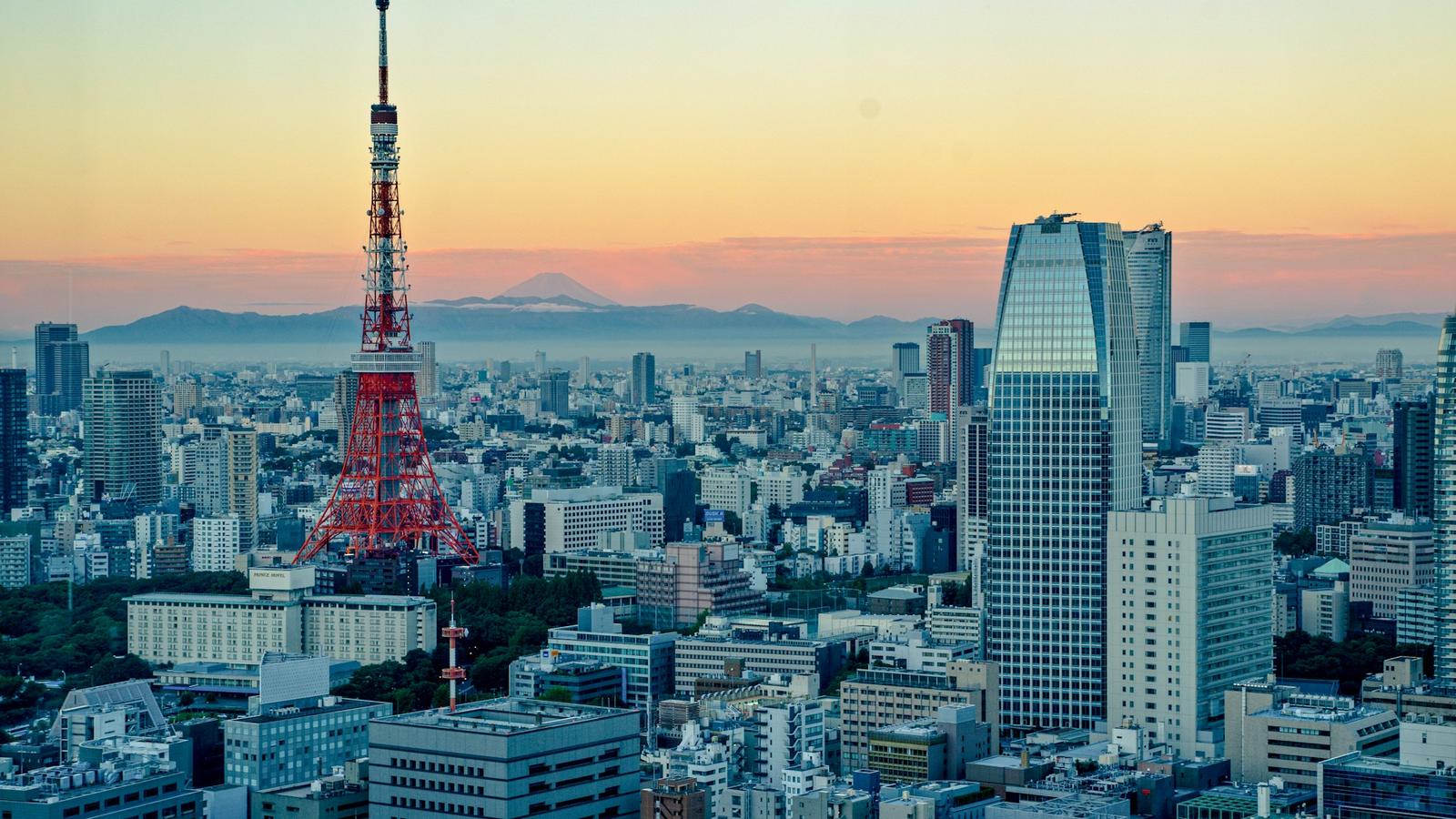
A business trip to Tokyo tends to show two things: the city is remarkably efficient, and the personal time on the trip is easy to lose. The meetings run on schedule, the transportation works, the hotel is excellent, but the hours between commitments go to convenience food and hotel bars, and the Japan around them goes unseen.
This is a fixable problem. It needs planning in advance, which is what a good business trip needs anyway. Below are the car, a free day in Hakone, the early hours and a 72-hour plan, with the fares, times and booking rules we read on the operators' own pages on October 28, 2026. The sources are listed at the end.
Key points
- The single change that makes the most difference on a Tokyo business trip is a private car and a driver who knows the traffic, speaks enough English to manage the day, and waits outside each meeting.
- For a free day, Hakone is about 80 minutes from Shinjuku by the Odakyu Romancecar, or a drive whose length depends on Tokyo traffic. The ryokan or hotel lunch needs to be reserved before the trip, not from the hotel lobby on Friday afternoon.
- Tokyo is typically 13–14 hours ahead of New York and 8–9 hours ahead of London, so the hours between 4 and 6 AM can go to Meiji Jingu, which opens its gates at sunrise, before the crowds.
- Restaurants at this level need 4–6 weeks of notice, sometimes more. A trip whose dates are fixed six weeks ahead has a different set of options from one arranged the week before departure.
THE BLEISURE OPPORTUNITY IN JAPAN
Japan rewards the executive traveler in ways that most business destinations do not. The logistics are predictable: trains run on time, meetings start on schedule, taxis are clean and metered. Because so little goes wrong, the free hours in a Tokyo trip stay usable in a way they rarely do elsewhere.
The typical Tokyo business trip involves 2–4 days of meetings concentrated in a small number of districts. The geography is compact. A meeting in Marunouchi and a dinner in Ginza are 10 minutes apart. If the same dinner is at a kaiseki counter in Kagurazaka, it is 20 minutes. The gap between business Tokyo and cultural Tokyo is rarely a question of distance. It is a question of who booked what, and when.
A CAR AND DRIVER FOR THE DAY
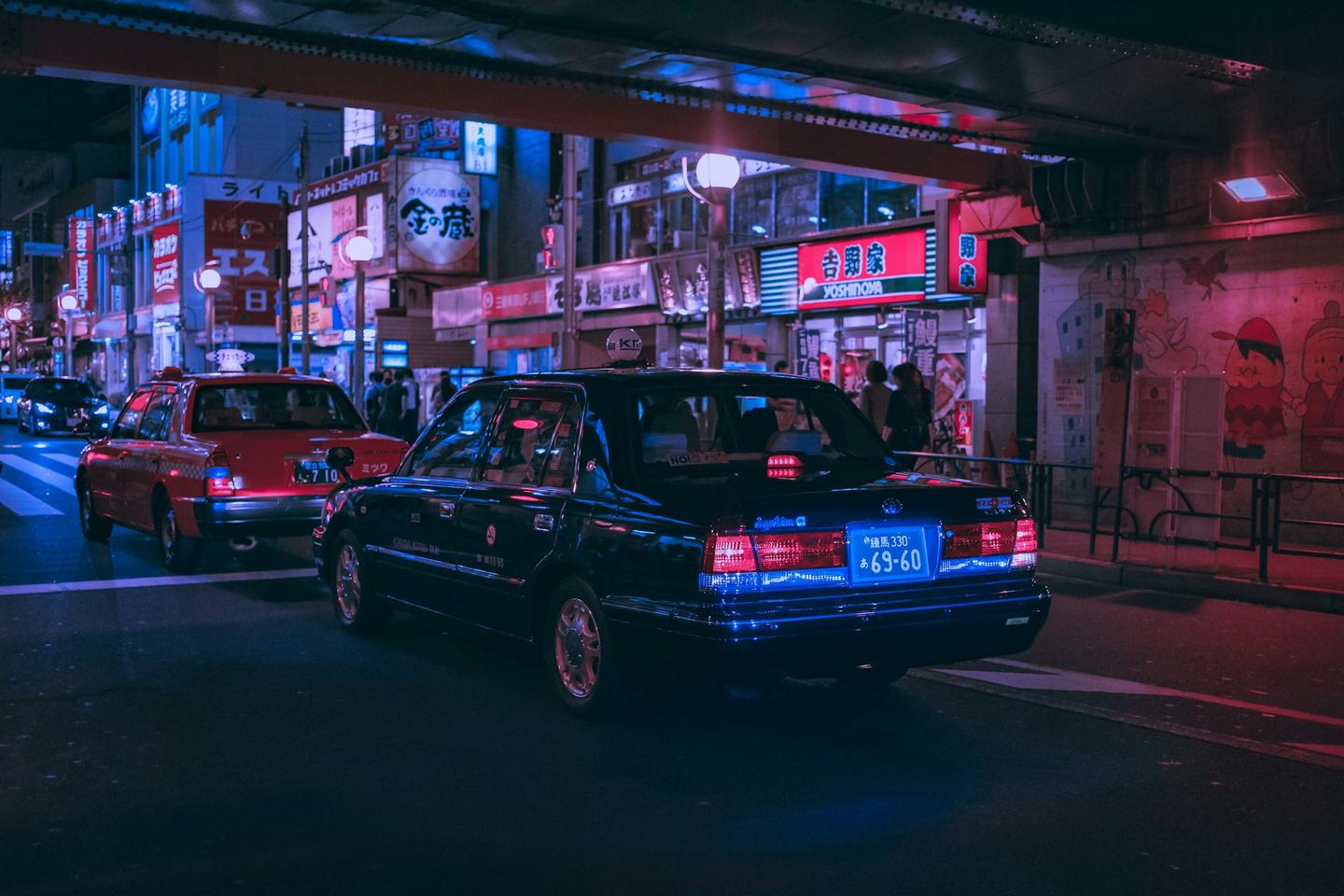
The single change that makes the most difference for an executive in Tokyo is a private car and driver, for practical reasons. A driver who knows Tokyo traffic, speaks enough English to manage the day, and waits outside each meeting removes every small navigation decision from a schedule that already demands your full attention.
An Alphard or Lexus LM seats four comfortably and is quiet enough to work in between locations. You can take a call, read through a document, or say nothing at all, which on a packed day is often the only rest available.
The same vehicle that handles morning meetings can, without changing any logistics, deliver a guest to a kaiseki dinner at 7 PM and collect them at 9:30. One driver who already knows the shape of the day saves explaining it three more times.
At Tokyo MK, whose fares we read on its own page (revised May 21, 2026, tax included), eight hours within Tokyo and up to 120 km start from 74,000 yen in an Alphard and 84,000 yen in a Lexus LM. An airport transfer in an Alphard starts from 17,000 yen from Haneda and 45,000 yen from Narita. Tolls, parking and admission fees are extra. We arrange the car and the driver around your meetings. The fare is added to your hotel room where the hotel allows it, or settled through the car company's own secure payment page.
HAKONE: THE EXECUTIVE DAY TRIP
For executives with a free day in Tokyo, usually a Saturday when meetings pause, Hakone suits it well: it is close to the city, with hot springs, a mountain lake and, on clear days, Mount Fuji. The Odakyu Romancecar runs from Shinjuku to Hakone-Yumoto in about 80 minutes without a change. By road, Fujiya Hotel in Miyanoshita gives about 50 minutes from the Atsugi interchange of the Tomei Expressway, plus however long Tokyo traffic takes to reach it. In between, there is enough time for a ryokan lunch, the Hakone Ropeway, which takes about 30 minutes from Sounzan over the volcanic valley of Owakudani to Togendai on Lake Ashi, and clear-day views of Mount Fuji across the lake.
For those who want to maximize time in Hakone and minimize transit, a helicopter is possible. AirX flies from Tokyo Heliport in Shin-Kiba to Hakone Sengokuhara in about 35 minutes. A private one-way charter for up to four people was 398,000 yen on its page. There is no luggage hold: each person takes one cabin-size bag, and larger luggage goes ahead by courier.
The key is that Hakone requires advance booking. At Fujiya Hotel, lunch at Kikkaso, built in 1895 as an imperial villa, is served by reservation from 12:00 to 15:00 (last order 13:30), from 9,000 yen per person, and bookings close at 16:00 the day before. Gora Kadan offers day plans that pair a meal in its kaiseki restaurant or tea room with its spa or a private open-air bath. Arranging either from a hotel lobby on Friday afternoon is rarely successful.
USING JET LAG AS AN ASSET
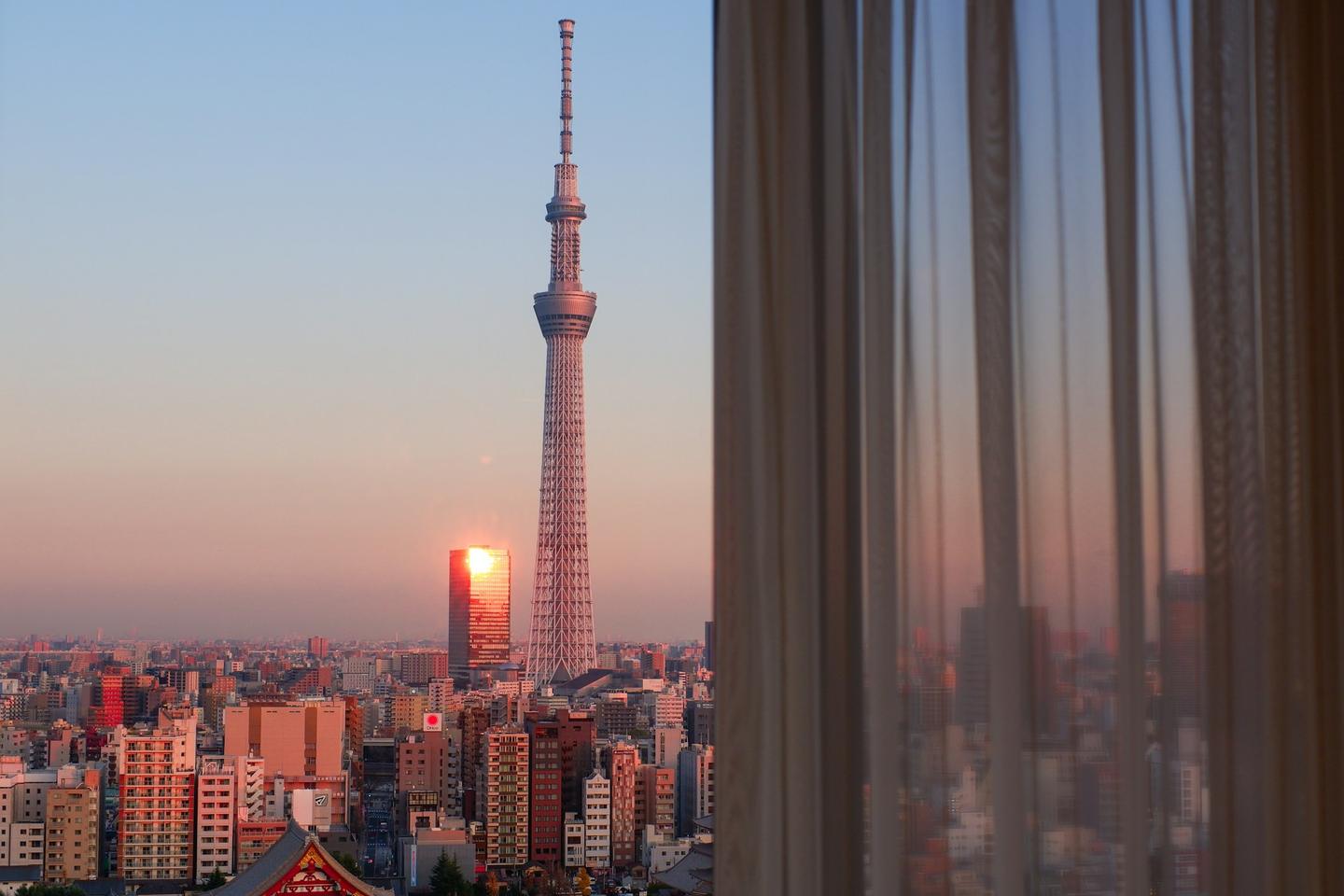
Tokyo is typically 13–14 hours ahead of New York and 8–9 hours ahead of London. Western travelers arriving at the start of a business trip often find themselves wide awake between 4 and 6 AM. In most cities that is an irritation. In Tokyo it is one of the most useful hours of the day.
Those early hours are worth using on purpose. Tokyo is quieter before seven, and easier to see.
THREE DAYS AFTER THE MEETINGS
For executives extending a business trip by two or three days, a simple shape helps. The goal is three or four experiences that are worth the trip. We would suggest: one high-level restaurant experience (kaiseki or omakase counter), one cultural experience (private tea ceremony or museum visit), one day-trip (Hakone or Nikko), and one unstructured afternoon in a neighborhood that rewards walking, such as Yanaka, Shimokitazawa, or Koenji.
The critical variable is lead time. Restaurant reservations at the caliber this kind of trip warrants require 4–6 weeks of advance notice, sometimes more. A trip whose dates are fixed six weeks ahead has a different set of options from one arranged the week before departure.
Two booking rules matter when meetings move. Pocket Concierge, a Japanese reservation service for fine dining, advises arriving at least 10 minutes early, warns that guests wearing strong perfume can be turned away, and lists the usual cancellation charges as 100% the day before or on the day and 50% two to three business days ahead, while each restaurant sets its own. If a meeting may run late, tell us when the table is arranged, and we choose the time with room to spare.
For the cultural hour, the Imperial Hotel Tokyo's tea room Toko-an, in Hibiya, lists a 60-minute tea ceremony experience for one to four people at 8,000 yen each, tax included, on its booking page. Same-day and next-day requests go to the hotel by phone, and guests are asked to bring socks, white if they have them.
If the day trip is Nikko, Tobu's Spacia X runs from Asakusa to Tobu-Nikko in 1 hour 49 minutes on its fastest trains, and a private compartment for up to four people carries an 8,000 yen seat fee on top of the fare.
Everything needed for a good personal trip is already in Tokyo. It needs the same advance planning as the meetings.
SOURCES AND HOW WE CHECKED
We read every page below on October 28, 2026, and did not contact the hotels, the car company, the helicopter operator or the restaurants. Fares, opening hours and booking rules change, so we check them again for your dates when we arrange the trip. Drive times depend on traffic, so we give the operators' figures and do not promise a door-to-door time.
- Tokyo MK, fares (Japanese): hire fares for the Alphard and Lexus LM in Tokyo, airport transfers, and what is not included, revised May 21, 2026
- AirX, Tokyo to Hakone helicopter transfer: about 35 minutes to Hakone Sengokuhara, the one-way charter fare and the baggage rules
- Odakyu, Hakone: about 80 minutes from Shinjuku to Hakone-Yumoto by Romancecar, and about 30 minutes on the Hakone Ropeway
- Fujiya Hotel, access (Japanese): about 50 minutes by car from the Atsugi interchange
- Fujiya Hotel, Kikkaso (Japanese): built in 1895 as an imperial villa, lunch hours, prices and the booking deadline
- Gora Kadan, day plans (Japanese): a meal with the spa or a private open-air bath
- Meiji Jingu, visiting hours: opening and closing times by month
- Tsukiji Outer Market, calendar and business hours: priority for professional buyers until 9:00
- Tsukiji Outer Market, home page (Japanese): many shops close on wholesale market closure days
- Pocket Concierge, dining etiquette: arriving early, strong perfume and the usual cancellation charges
- TableCheck, Imperial Hotel Tokyo Toko-an: tea ceremony plans, duration and prices
- TableCheck, Imperial Hotel Tokyo Toko-an (Japanese): same-day and next-day requests by phone, and socks
- Tobu Railway, Spacia X (Japanese): fastest time from Asakusa to Tobu-Nikko and the compartment fee
QUESTIONS, ANSWERED
Can I combine a business trip to Tokyo with leisure travel?
Yes. Tokyo is well-suited to bleisure travel. Japan's business culture is efficient by international standards, and meetings in Tokyo are typically concentrated in Marunouchi, Shinjuku, or Minato. A private car and driver removes the cognitive load of navigation, meaning the time between meetings can be genuinely restful. Two to four leisure days fit well when they are planned along with the meetings.
How does private car hire in Tokyo work for business travelers?
Private car hire in Tokyo typically involves an Alphard or Lexus LM with a professional driver who speaks enough English to navigate appointments and make adjustments in real time. The vehicle is available for the full day, meaning it waits between meetings. This removes the unpredictability of taxis or public transport during a busy schedule and allows discreet, comfortable movement between locations.
Can I do a day trip to Hakone from Tokyo during a business trip?
Yes. The Odakyu Romancecar takes about 80 minutes from Shinjuku to Hakone-Yumoto, and by car the time depends on Tokyo traffic. A full day in Hakone can include a ryokan or hotel lunch reserved in advance, the ropeway over Owakudani, and views of Mount Fuji on clear days. For a free Saturday or Sunday, Hakone is close enough for a full day and a return to Tokyo by evening. A helicopter from Tokyo Heliport takes about 35 minutes for those who want to maximise time in Hakone.
How do I make the most of jet lag in Japan?
Japan's time zone, typically 13–14 hours ahead of New York and 8–9 hours ahead of London, means Western travelers often wake naturally between 4 and 6 AM. Meiji Jingu opens its gates at sunrise, as early as 5:00 in summer, and is quiet before 7 AM. Tsukiji Outer Market gives professional buyers priority until 9:00, so it fits after breakfast. Those early hours are worth using on purpose.
What does STAYGO offer for business travelers to Japan?
STAYGO builds the leisure component of a business trip around the executive's existing schedule: private car and driver coordination, restaurant tables timed around meetings, onsen or cultural experiences in gaps, and day-trip logistics for free days. The goal is a trip where the business calendar is handled efficiently and the personal time is genuinely restorative.
THE OTHER HALF OF YOUR TOKYO TRIP
STAYGO arranges the personal side of a Tokyo business trip, including car hire, restaurant tables, and Hakone day logistics, around the schedule you already have.
Begin planningWe reply within 24 hours, in writing
Some of the restaurants and bars we arrange seat guests only by introduction or membership. We ask on your behalf; the table and the evening are the house's decision. We do not publish their names.