Key points
- Kyoto raised its top rate to 10,000 yen per person per night, for room charges of 100,000 yen or more, from 1 March 2026.
- Tokyo will replace its 100 and 200 yen charges with 3% of the room charge for stays from 1 April 2027, with stays under 13,000 yen per person per night exempt.
- Hokkaido introduced a prefectural accommodation tax on 1 April 2026, and municipalities such as Sapporo, Niseko and Kutchan levy their own as well.
A LOCAL TAX ON EACH NIGHT
Accommodation tax (宿泊税) is a local tax that a prefecture or municipality sets by its own ordinance, with the consent of the Minister for Internal Affairs and Communications. The guest pays it, and the hotel collects it with the room charge and pays it to the local government (特別徴収). Rates, thresholds and what counts as the room charge differ from place to place, and several changed in 2025 and 2026.
Hot spring facilities also charge a bathing tax (入湯税), a separate municipal tax whose standard rate under the Local Tax Act is 150 yen per bather per day. A ryokan bill in an onsen town can therefore carry both taxes, on top of consumption tax and any service charge.
TOKYO
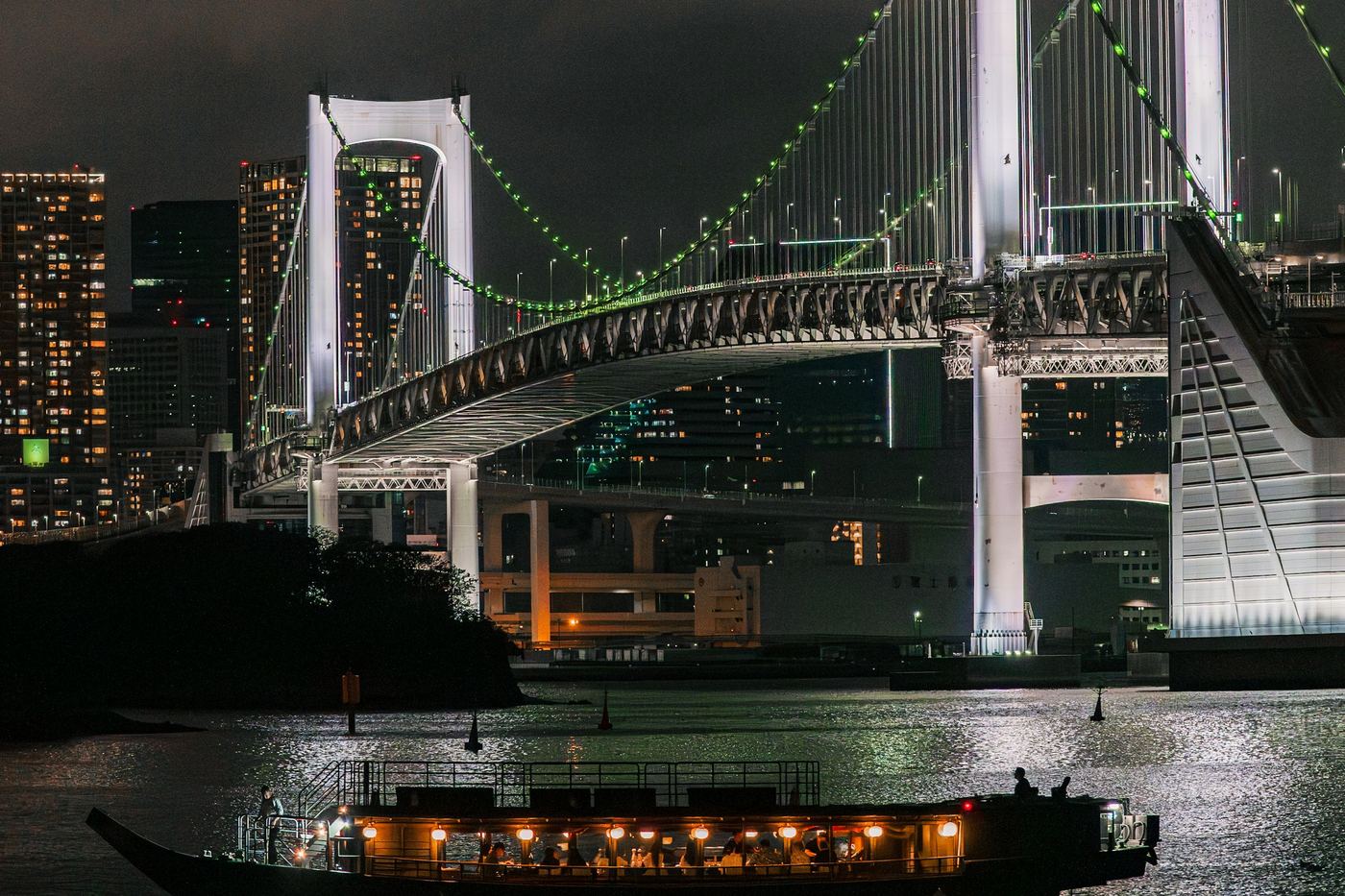
Tokyo currently charges guests at hotels and ryokan 100 yen per person per night for room charges of 10,000 yen to under 15,000 yen, and 200 yen for 15,000 yen or more. For stays from 1 April 2027, the tax becomes 3% of the room charge, stays under 13,000 yen per person per night are exempt, and simple lodgings (簡易宿所) and private rentals (民泊) are added. The room charge means the room-only rate, without meals.
The ordinance passed on 27 March 2026, received the Minister's consent on 30 June 2026 and was promulgated on 1 July 2026. Tokyo estimates revenue of about 19 billion yen a year after the change. Filing for hotels is being simplified, with quarterly filing allowed whatever the amount.
Tokyo states that nationality and place of residence make no difference to the tax. Hotels keep a collection grant of 2.5% of the tax they pay in, and the 1 million yen annual cap on that grant is being removed. For hotel groups, the change in April 2027 is a real systems project, since every Tokyo property moves from two flat amounts to a percentage.
KYOTO
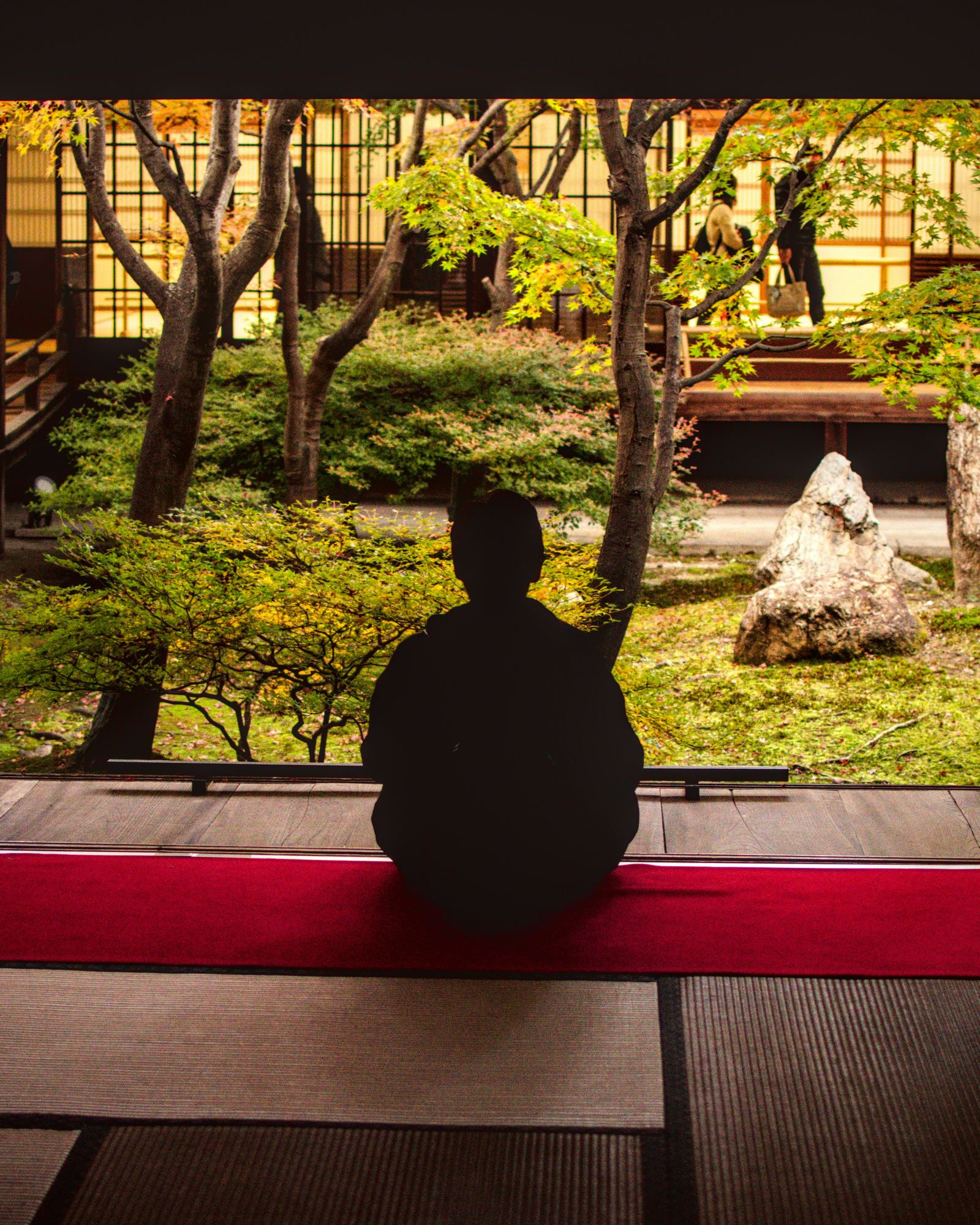
Kyoto City taxes every guest, including those at simple lodgings and illegal private rentals. From 1 March 2026 the rates per person per night are 200 yen under 6,000 yen, 400 yen from 6,000 to under 20,000 yen, 1,000 yen from 20,000 to under 50,000 yen, 4,000 yen from 50,000 to under 100,000 yen, and 10,000 yen at 100,000 yen or more. The city defines the room charge as the room-only rate including service charge, excluding meals and consumption tax.
Students on school trips and their teachers are exempt, as are children on events of certain nurseries and childcare facilities. For a luxury ryokan or a hotel suite in Kyoto, the tax is now a visible line on the bill, and travel companies quoting Kyoto stays need to show it per person per night.
OSAKA AND HOKKAIDO
Osaka Prefecture revised its tax on 1 September 2025. Stays under 5,000 yen per person per night are untaxed. The rate is 200 yen from 5,000 to under 15,000 yen, 400 yen from 15,000 to under 20,000 yen, and 500 yen at 20,000 yen or more. The room charge excludes food and drink, consumption tax, bathing tax and the accommodation tax itself, and private rentals are included.
Hokkaido introduced its own tax on 1 April 2026, at 100 yen under 20,000 yen, 200 yen from 20,000 to under 50,000 yen and 500 yen at 50,000 yen or more. Municipalities including Sapporo, Hakodate, Furano, Niseko and Kutchan levy a tax as well. In Sapporo the combined charge is 300, 400 or 1,000 yen across the same bands. Kutchan, home to much of the Niseko area's accommodation, moved to 3% of the room charge from 1 April 2026.
WHAT IT MEANS FOR SUPPLIERS
For most suppliers of goods, the tax never appears on your invoice, because the hotel collects it from guests. It matters in three cases. Travel companies and DMCs that package rooms need to show it as a separate line, calculated per person per night on the local definition of the room charge. Hotel technology vendors, such as property management systems and booking engines, need settings that handle bands, percentages, exemptions and two layers of tax in one stay. Tokyo's switch to a percentage in April 2027 also means Tokyo hotels' billing settings must change before then.
Rates apply by the date of stay. Sapporo, for example, taxes stays from 1 April 2026 even where the booking was made earlier. Check the official page of the prefecture or city before quoting, because the rules are still changing and each place defines the room charge in its own way.
For a multi-city itinerary, list the tax for each night separately and say which local government levies it. A guest moving from Tokyo to Kyoto to Niseko meets three different systems, and a single combined figure is hard for anyone to check. In our experience, hotels and partners appreciate a quote that already shows the local taxes line by line.
WHERE WE CAN HELP
We work with hotels and ryokan in Tokyo, Kyoto, Osaka and resort areas, and we can ask them in Japanese how they show local taxes to guests and partners. We do not advise on tax. Local tax offices and a Japanese tax accountant are the right people to confirm the rules for your case.
SOURCES
- Tokyo Metropolitan Government Bureau of Taxation: Review of the accommodation tax www.tax.metro.tokyo.lg.jp/kazei/leisure/shuk/shuk_minaoshi
- Kyoto City: Accommodation tax (宿泊税について) www.city.kyoto.lg.jp/gyozai/page/0000236942.html
- Osaka Prefecture: Accommodation tax (宿泊税) www.pref.osaka.lg.jp/o050040/zei/alacarte/shukuhaku.html
- Hokkaido Government: Hokkaido accommodation tax www.pref.hokkaido.lg.jp/sm/zim/tax/218623.html
- Sapporo City: Sapporo accommodation tax www.city.sapporo.jp/citytax/shukuhakuzei/index.html
- Ministry of Internal Affairs and Communications: Change to Kutchan Town's accommodation tax (31 July 2025) www.soumu.go.jp/main_content/001022974.pdf
- e-Gov: Local Tax Act (地方税法), Article 701-2 on bathing tax laws.e-gov.go.jp/law/325AC0000000226
QUESTIONS, ANSWERED
Does accommodation tax appear on a supplier's invoice to a hotel?
Usually not. The guest pays it, and the hotel collects it with the room charge and pays it to the local government.
What is Kyoto's top accommodation tax rate?
From 1 March 2026, 10,000 yen per person per night for room charges of 100,000 yen or more.
When does Tokyo's 3% accommodation tax start?
For stays from 1 April 2027, with stays under 13,000 yen per person per night exempt.
Can two accommodation taxes apply to one stay?
Yes. In Hokkaido, guests in municipalities such as Sapporo and Kutchan pay both the prefectural and the municipal tax.
TALK TO US ABOUT JAPAN
Tell us what you sell and which hotels you have in mind. We reply by email.
Start a conversation